Equestrian Paralympics 2024: A Guide to the Games

Get ready for a display of incredible partnership, precision, and passion. The equestrian paralympics 2024 are set to be one of the most inspiring events of the year, showcasing the profound bond between horse and rider. This isn’t just a competition; it’s a testament to years of dedication, where athletes with physical or visual impairments compete at the highest level of dressage. In this guide, we’ll explore everything you need to know about para-equestrian sport, from how athletes are classified to the remarkable horses that make it all possible. Join us as we dive into the world of para-dressage and celebrate the spirit of these phenomenal athletes on their road to glory.
Key Takeaways
- What it is: Para-equestrian dressage is the only equestrian discipline in the Paralympic Games, focusing on the harmony and precision between horse and rider.
- Classification is Key: Athletes are grouped into five “Grades” (I-V) based on their functional ability, ensuring a fair and level playing field for everyone.
- The Venue: The stunning Château de Versailles will host the equestrian events, providing a historic and beautiful backdrop for the competition.
- Athlete & Horse Partnership: The bond between the athlete and their horse is central to success. These horses are highly trained athletes in their own right.
- How to Watch: Fans can enjoy the equestrian paralympics 2024 through various broadcast partners and streaming services, bringing the action right to their homes.
An Overview of Para-Equestrian Sport
Para-equestrianism is a remarkable sport that highlights the incredible connection between humans and horses. It stands as the only equestrian discipline included in the Paralympic Games, and it is open to athletes with a wide range of physical and visual impairments. The specific discipline featured is para-dressage, often described as “horse ballet.” In this sport, athletes and their horses perform a series of predetermined movements in an arena. Judges evaluate the pair on their precision, harmony, and the overall quality of the performance. What makes para-equestrian so unique is its emphasis on the partnership between the athlete and the animal. It’s a true team sport where communication, trust, and mutual respect are essential for success. The journey to the equestrian paralympics 2024 is a long one, requiring years of training for both the rider and their equine partner to reach the pinnacle of the sport.
Understanding the Para-Equestrian Classification System
To ensure fair competition, the para-equestrian sport uses a detailed classification system. Athletes are evaluated by trained classifiers who assess their muscle strength, coordination, and range of motion. Based on this assessment, each rider is assigned to one of five “Grades.” This system is the foundation of the sport’s integrity, grouping athletes with similar functional abilities to compete against one another.
- Grade I: Athletes in this grade have the most significant impairments, often affecting all four limbs and the trunk. They compete in the walk only.
- Grade II: These athletes have severe impairments in their trunk and good to mild upper limb function, or severe unilateral impairment. They compete in the walk and trot.
- Grade III: This grade includes athletes with severe impairments in both lower limbs with minimal or no trunk impairment, or moderate unilateral impairment. They compete in the walk and trot.
- Grade IV: Athletes here typically have a severe impairment in two limbs or a moderate impairment of all four limbs. They perform tests that include walk, trot, and canter.
- Grade V: This grade is for athletes with the mildest impairments, such as a visual impairment or impairment in one or two limbs. Their tests are the most complex, including walk, trot, canter, and lateral movements.
This grading system ensures that the equestrian paralympics 2024 will be a showcase of skill and training, not a comparison of disabilities.
Events to Watch: Team, Individual, and Freestyle
The para-dressage competition at the equestrian paralympics 2024 is divided into three distinct events, each offering a unique challenge and a chance for athletes to win a medal.
The Team Test
The first event is the Team Test, where scores from up to three athletes from each nation are combined to determine an overall team score. Each rider performs a specific, predetermined test for their grade. This event is not just about individual performance but also about national pride and strategy. A country’s success depends on the consistency and strength of its entire team. This is often the first chance for spectators to see the top contenders and get a feel for the level of competition.
The Individual Championship Test
Following the Team Test, athletes compete in the Individual Championship. Similar to the Team Test, this involves a compulsory set of movements for each grade. However, this time, the stakes are purely for individual glory. This is where the first set of individual medals is awarded. It is a true test of an athlete’s precision and their horse’s training under immense pressure, as they ride for a spot on the podium.
The Freestyle to Music Test
The final and often most exciting event is the Freestyle to Music. Here, the top athletes from each grade choreograph their own routine set to music. While they must include certain required movements, they have artistic freedom to design a test that highlights their horse’s strengths and tells a story. Judges award marks for both technical execution and artistic impression, including the harmony with the music and the creativity of the routine. The Freestyle is a fan favorite, combining elite sport with beautiful artistry, and it is the final opportunity for riders to win an individual medal at the equestrian paralympics 2024.
The Venue: Château de Versailles
The setting for the equestrian paralympics 2024 is nothing short of spectacular. The events will take place in the magnificent grounds of the Château de Versailles, a site steeped in history and grandeur. A temporary outdoor arena and stadium will be constructed on the Etoile Royale esplanade, located to the west of the Grand Canal within the palace’s park. This iconic location provides a breathtaking backdrop that connects the modern sporting event to centuries of French culture and equestrian heritage. As you can find on travel and culture resources like https://versaillesblog.com/, the palace itself is a symbol of artistry and perfection, themes that resonate deeply with the sport of dressage. Hosting the competitions here elevates the experience for athletes and spectators alike, creating unforgettable memories against a backdrop of unparalleled beauty. The logistics of transforming this historic park into a world-class sporting venue are immense, but the result will be a truly unique and memorable stage for the world’s best para-equestrian athletes.
Notable Athletes and Nations on the Horizon
As the equestrian paralympics 2024 draw closer, the equestrian world is buzzing with anticipation about which athletes and nations will shine. Historically, Great Britain has been a dominant force in para-dressage, consistently producing Paralympic champions and strong teams. Riders like Sir Lee Pearson, with his incredible collection of gold medals, and Sophie Christiansen are legends of the sport. The Netherlands is another powerhouse, often challenging for the top spot on the team podium with a deep roster of talented riders. Denmark and Germany also have strong traditions in dressage and are always ones to watch.
From the United States, Roxanne Trunnell has been a standout performer, setting world records in Grade I and bringing home multiple gold medals from Tokyo. Her journey continues to inspire, and she will be a top contender. Keep an eye on rising stars from nations like Brazil, Italy, and Belgium, who have been making significant strides and are poised to challenge the traditional leaders. The beauty of the Paralympics is that new heroes often emerge, and every athlete arriving in Paris has a powerful story of perseverance.
The Unsung Heroes: The Horses of Para-Equestrian
Behind every successful para-equestrian athlete is an exceptional horse. These equine partners are not just modes of transport; they are highly trained, sensitive athletes with temperaments suited for the unique demands of the sport. The ideal para-dressage horse is calm, obedient, and incredibly responsive to the subtle cues of its rider. Many riders use voice commands, shifts in weight, or specialized reins, and their horses must learn to understand and react to these unique signals with precision and grace.
The welfare of these horses is the absolute top priority. They are subject to strict veterinary inspections and regulations to ensure they are fit, healthy, and happy to compete. Their daily care involves customized nutrition plans, regular exercise, veterinary check-ups, and plenty of rest. The bond between a para-athlete and their horse is often incredibly deep, built on years of mutual trust and understanding. This partnership is the heart and soul of the sport, and watching the near-telepathic communication between them is one of the most moving aspects of the equestrian paralympics 2024.
Rules and Scoring Explained
Understanding how para-dressage is scored can greatly enhance your viewing experience. A panel of judges is positioned around the arena, and they score each required movement on a scale from 0 (not executed) to 10 (excellent). At the end of the test, these scores are added up and converted into a final percentage. The rider with the highest percentage wins.
What are the judges looking for?
- Accuracy: Is the athlete performing the correct movement in the right place in the arena?
- Rhythm and Suppleness: Does the horse move with a steady, consistent rhythm, and does it appear relaxed and flexible in its body?
- Connection: Does the horse accept the rider’s aids softly and willingly? This is a sign of good communication and harmony.
- Impulsion: This refers to the forward energy and power coming from the horse’s hind legs.
- Submission: Is the horse obedient and attentive to the rider? This demonstrates the quality of the training.
In the Freestyle, judges also award marks for artistic impression. This includes the interpretation of the music, the creativity of the choreography, and the overall harmony of the performance. Achieving a high score at the equestrian paralympics 2024 requires technical perfection combined with an artistic flair.
|
Judging Criteria |
Description |
Score Range |
|---|---|---|
|
Accuracy |
Performing movements precisely as prescribed in the test. |
0-10 |
|
Rhythm |
The regularity and tempo of the horse’s gaits (walk, trot, canter). |
0-10 |
|
Submission |
The horse’s willingness to cooperate with the rider, showing obedience and confidence. |
0-10 |
|
Rider’s Position |
The effectiveness and correctness of the rider’s seat and use of aids. |
0-10 |
|
Artistic (Freestyle) |
Choreography, interpretation of music, and overall harmony. Awarded only in Freestyle tests. |
0-10 |
Adaptive Tack and Equipment
One of the fascinating aspects of para-equestrian is the innovative adaptive equipment that allows athletes to compete at the highest level. These modifications, often called “compensating aids,” are approved by the sport’s governing body to address an athlete’s specific impairment. The goal is to create a level playing field by allowing riders to communicate effectively with their horses.
Common adaptive equipment includes:
- Specialized Saddles: Some riders use saddles with extra blocks or straps to help them maintain a secure and stable position.
- Modified Reins: Athletes with limited hand or arm strength may use looped reins, reins with ladder-like grips, or other modifications that make them easier to hold and use.
- Voice Commands: Athletes who are unable to use their legs to cue the horse are permitted to use specific voice commands.
- Whips: Riders may be allowed to carry one or two whips to compensate for a lack of leg function, using them as a replacement for leg aids.
- Saluting with the Head: Athletes who cannot release the reins with one hand are permitted to salute the judge with a nod of the head.
These adaptations are a testament to the sport’s inclusivity, ensuring that an athlete’s skill, not their disability, determines their success at the equestrian paralympics 2024.
Training and Preparation for the Games
The road to the equestrian paralympics 2024 is a marathon, not a sprint. It involves years of relentless dedication from the athlete, their horse, and a large support team. An athlete’s daily routine is intense, combining riding sessions with a rigorous personal fitness program. Strength and conditioning, core stability work, and cardiovascular fitness are crucial for maintaining balance and stamina in the saddle.
The horse’s training is equally structured. Professional trainers work with the horse to develop its strength, suppleness, and understanding of the dressage movements. The athlete and horse must train together consistently to build the seamless communication required for top-level competition. This partnership is honed over thousands of hours in the arena. Beyond the physical training, mental preparation is key. Sports psychologists often work with athletes to help them develop focus, manage competition pressure, and visualize success. This holistic approach ensures that both horse and rider arrive at the Games in peak physical and mental condition, ready to perform their best.
The Pathway to Qualification
Qualifying for the equestrian paralympics 2024 is a highly competitive and complex process. Athletes must earn their spot by competing in a series of designated international competitions in the years leading up to the Games. During these events, they must achieve minimum eligibility scores to demonstrate they are competing at a world-class standard.
Nations earn team slots based on their performance at major championships, such as the World Championships. Countries that secure a team slot can send a team of three to four athletes. Other individual slots are allocated based on the FEI Paralympic Individual Rankings, which gives top-ranked athletes from nations that did not qualify a team the chance to compete. This dual pathway ensures that the field is composed of both the strongest national teams and the best individual athletes from around the globe. The qualification window is a tense and exciting period, as riders travel across the world chasing the scores needed to fulfill their Paralympic dream.
How Judging Works in Para-Dressage
Judging para-dressage is a nuanced art that requires deep knowledge of both dressage principles and the specifics of the para-equestrian classification system. A panel of international judges, typically five or more for a major championship like the equestrian paralympics 2024, is strategically placed around the competition arena. Each judge evaluates the performance independently.
They score each movement on a scale of 0 to 10. They are looking for the quality of the horse’s gaits, the accuracy of the figures, and the harmony between horse and rider. Importantly, judges are trained not to be influenced by the rider’s disability. Instead, they focus solely on the execution of the test according to the classic principles of dressage. After the test, the scores from all judges are averaged to produce the final percentage. This multi-judge system ensures fairness and objectivity, providing a balanced assessment of each performance. For the Freestyle, judges also provide separate artistic marks, which are combined with the technical scores to determine the final result.
A Behind-the-Scenes Look at Logistics
Putting on an event like the equestrian paralympics 2024 is a massive logistical undertaking, especially when it involves flying horses across continents. The planning begins years in advance. A huge team of people works behind the scenes to ensure everything runs smoothly.
Transporting the Horses
The horses travel in special air stables, which are essentially custom-built shipping containers designed for equine comfort and safety. They are accompanied by professional grooms and veterinarians who monitor their health throughout the journey. Upon arrival, they are taken to a quarantine facility before moving to the official stables at the venue.
The Support Team
Each athlete travels with a support team that may include a coach, grooms, a veterinarian, and a farrier (who cares for the horse’s hooves). This team is responsible for the horse’s daily care, ensuring it is perfectly prepared for competition.
Venue Operations
At the venue, a massive workforce is needed to manage everything from arena footing and stabling to security and transportation. The well-being of the horses is paramount, with state-of-the-art veterinary clinics and 24/7 care available on-site. These unseen efforts are what make it possible for the athletes to focus on what they do best: competing.
A Fan’s Guide to Watching the Games
Whether you plan to attend in person or watch from home, there are many ways to enjoy the equestrian paralympics 2024.
Attending in Person
If you are lucky enough to have tickets, attending the event at Versailles will be a once-in-a-lifetime experience. Be sure to check the official Paris 2024 website for information on schedules, transportation, and venue accessibility. Arrive early to soak in the atmosphere, explore the grounds, and get a good seat. Remember to be a respectful spectator: silence is expected during the tests to allow the horses and riders to concentrate. Applaud generously after each ride is complete!
Watching from Home
For the millions watching from around the world, the Games will be broadcast on television and streamed online. In the United States, NBCUniversal is the official broadcaster for the Paralympic Games, with coverage typically available on networks like NBC, Peacock, and the Olympic Channel. Check your local listings and the official Paralympic Games website for detailed streaming schedules. Following the official social media accounts of the FEI (International Equestrian Federation) and the IPC (International Paralympic Committee) is also a great way to get live updates, behind-the-scenes content, and results.
The Impact of Accessibility and Inclusion
The Paralympic movement, and specifically para-equestrian, plays a powerful role in promoting accessibility and challenging perceptions of disability. These Games showcase what is possible when barriers are removed and individuals are judged on their talent and dedication. The visibility of the equestrian paralympics 2024 inspires people of all abilities around the world. It encourages grassroots para-sport programs and pushes for greater accessibility in equestrian facilities and society as a whole.
For many athletes, the sport provides not only a competitive outlet but also therapeutic benefits, improving physical strength, balance, and coordination. More importantly, it fosters a sense of community, purpose, and empowerment. By celebrating these incredible athletes, we celebrate the principles of inclusion and the limitless potential of the human spirit. The legacy of the Games extends far beyond the medal ceremonies, influencing positive change for years to come.
History and Evolution of Para-Equestrian
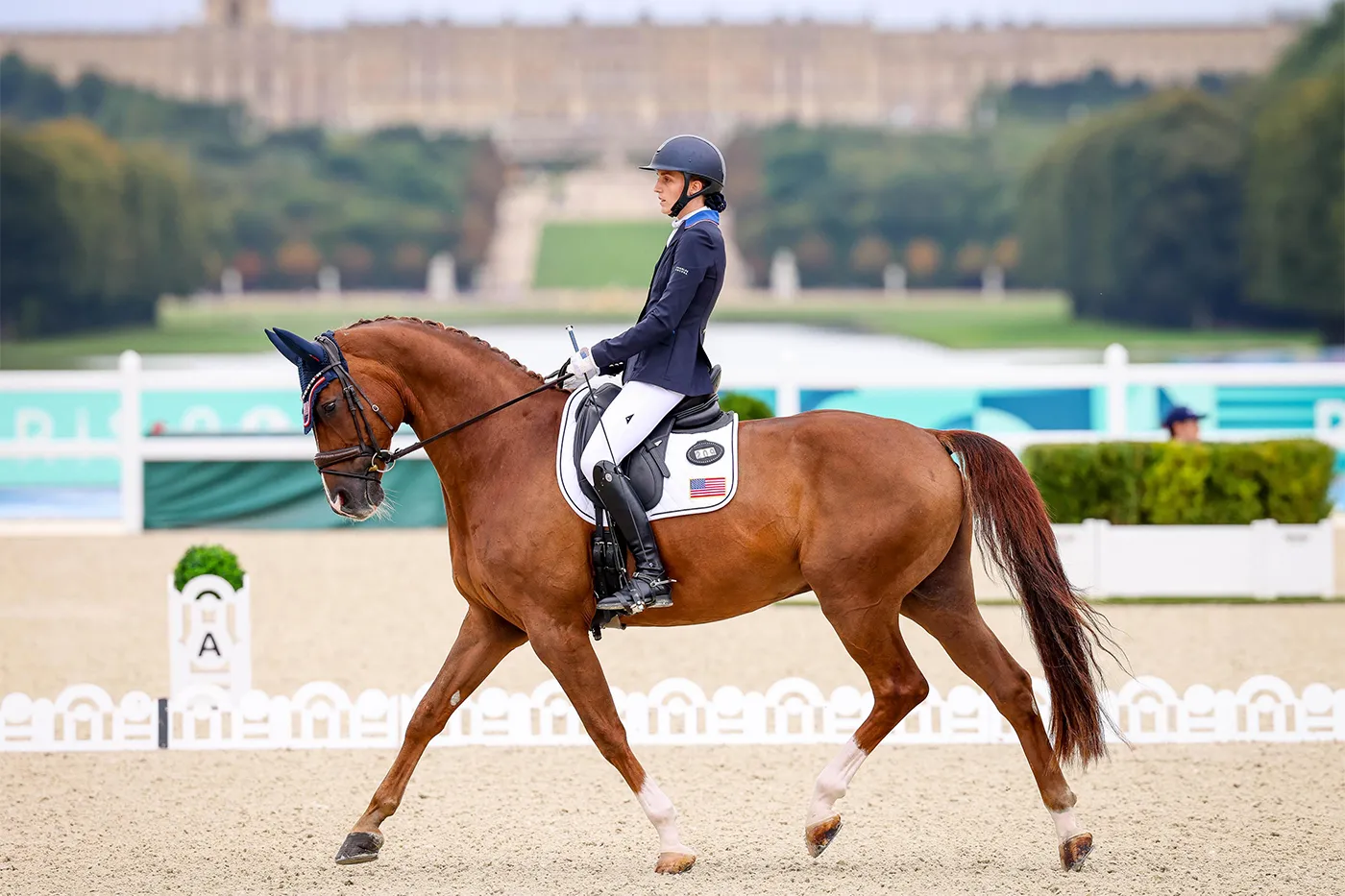
The roots of para-equestrian sport go back to post-World War II Europe, where riding was recognized for its therapeutic benefits for individuals with disabilities. The first formal competitions began in the 1970s, and the sport grew rapidly in popularity.
Para-equestrian made its Paralympic debut at the 1996 Atlanta Games, and it has been a core part of the program ever since. Initially, the competition included both dressage and a driving event. Since the 2004 Athens Games, the focus has been exclusively on para-dressage. Over the years, the sport has evolved significantly. The classification system has become more sophisticated, the level of competition has soared, and the quality of the horses and riding has reached new heights. What started as a therapeutic activity has transformed into a high-performance sport that demands world-class athleticism from both horse and rider. The journey to the equestrian paralympics 2024 represents the culmination of decades of growth and development.
Getting Started: Tips for Newcomers
Are you inspired by the athletes of the equestrian paralympics 2024? If you or someone you know is interested in getting involved in para-equestrian, there are resources available to help you start your journey.
- Find a Center: Look for an accredited therapeutic riding center in your area. Organizations like the Professional Association of Therapeutic Horsemanship International (PATH Intl.) in the United States have directories of member centers that offer adaptive riding programs.
- Get Classified: If you want to compete, you will need to undergo a classification assessment to determine your grade. Your national equestrian federation or Paralympic committee can guide you through this process.
- Start with the Basics: Focus on learning the fundamentals of riding and building a strong, balanced seat. Safety is always the first priority.
- Volunteer: If riding isn’t an option for you, volunteering at a therapeutic riding center is a fantastic way to get involved. Volunteers are the backbone of these organizations and are essential for helping riders.
- Be Patient: Like any sport, progress in riding takes time and dedication. Enjoy the process of learning and building a bond with the horses.
The Legacy and Future of Para-Equestrian
The equestrian paralympics 2024 will undoubtedly leave a lasting legacy. For the host nation, it can inspire a new generation of para-athletes and lead to improvements in accessibility and funding for para-sport. Globally, the Games shine a spotlight on the discipline, attracting new fans, participants, and sponsors.
Looking beyond 2024, the future of para-equestrian is bright. The sport’s leaders are continually working to expand its global reach, encouraging more countries to develop para-dressage programs. There is also ongoing research and development in adaptive equipment and training techniques to further enhance the sport’s fairness and competitiveness. The ultimate goal is to see the sport continue to grow while staying true to its core principles: celebrating the unique partnership between horse and rider and showcasing the incredible abilities of para-athletes on the world’s biggest stage. The performances in Paris will inspire the dreams of those who hope to compete in Los Angeles in 2028 and beyond.
Frequently Asked Questions (FAQ)
What is para-equestrian?
Para-equestrian is an equestrian sport for riders with physical or visual impairments. The only discipline at the Paralympic Games is para-dressage, where athletes and their horses perform judged routines.
How are athletes classified in para-equestrian?
Athletes are grouped into one of five Grades (I-V) based on a functional assessment of their impairment. Grade I is for athletes with the most significant impairments, while Grade V is for those with the mildest. This ensures fair competition.
Where will the equestrian paralympics 2024 be held?
The competitions will be held in a temporary arena set up in the historic park of the Château de Versailles, just outside Paris, France.
Can anyone with a disability compete?
Athletes must have an eligible and classifiable impairment as defined by the International Paralympic Committee (IPC) and undergo an official classification to compete in sanctioned para-equestrian events.
Are the horses specially trained?
Yes, the horses are highly trained athletes. They must have a calm temperament and be exceptionally well-schooled to respond to the unique and subtle aids of a para-rider.













Post Comment