The Ultimate Guide to Nailing the Perfect Wolf Cut
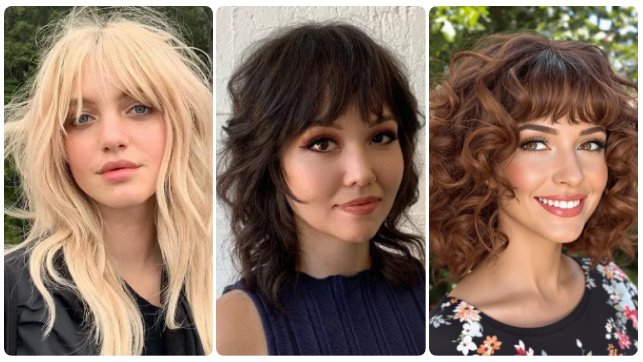
The world of hairstyles is constantly evolving, with trends coming and going, but every so often, a look emerges that truly captures the collective imagination. Enter the wolf cut. This edgy, beautifully messy hairstyle has taken social media by storm, appearing on everyone from global celebrities to the cool person you follow on Instagram. It’s a bold statement, blending the wildness of a mullet with the soft, face-framing layers of a shag. If you’ve been curious about this untamed look and wondering if it’s right for you, you’ve come to the right place. This guide will walk you through everything you need to know, from its origins and key features to styling it for any occasion and hair type. Prepare to unleash your inner rockstar.
What Exactly Is a Wolf Cut?
So, what defines this incredibly popular hairstyle? The wolf cut is a heavily layered haircut characterized by shorter, choppy layers on top and longer, thinned-out layers at the back. The top section creates a significant amount of volume and texture, while the bottom retains length, giving it a distinctive, slightly feral silhouette. It’s a modern hybrid of two iconic retro hairstyles: the 1970s shag and the 1980s mullet. The result is a look that feels both rebellious and effortlessly chic. Unlike more structured cuts, the wolf cut is all about movement, texture, and a lived-in feel. It’s less about perfect, polished strands and more about embracing a perfectly imperfect style that looks dynamic from every angle. This blend of vintage vibes and contemporary cool is what makes it so appealing to a wide range of people.
The Roaring Origins of This Viral Hairstyle
While the wolf cut might feel like a brand-new invention born from TikTok and Instagram feeds, its roots run deep into hair history. The style is a direct descendant of the shag, popularized by icons like Jane Fonda and David Bowie in the 1970s, and the mullet, famously worn by stars like Billy Ray Cyrus and Patrick Swayze in the ’80s and ’90s. The modern wolf cut takes the best elements from both—the heavy, face-framing layers of the shag and the “business in the front, party in the back” length variation of the mullet. Its recent surge in popularity can be credited to South Korean salon culture and K-pop idols, who embraced the look, catapulting it into the global spotlight. From there, social media platforms amplified its reach, with millions of users sharing their own versions, tutorials, and transformations, cementing the wolf cut as a defining look of the decade.
Key Features That Define the Wolf Cut
To truly understand what makes a wolf cut unique, it’s important to recognize its core components. The most significant feature is the dramatic layering. The layers are much shorter and choppier around the crown and front of the head, creating a burst of volume and a shaggy texture that frames the face beautifully. As the layers move towards the back, they become significantly longer and more tapered, which distinguishes it from a classic shag that often has more blended layers throughout. This contrast between the voluminous top and the wispy bottom is the style’s signature. Another key feature is the fringe or bangs, which are almost always part of the look. These can range from soft, curtain bangs to a shorter, choppier micro-fringe, but they are essential for completing the face-framing effect and adding to the hairstyle’s rebellious charm.
Will a Wolf Cut Suit My Face Shape?
One of the best things about the wolf cut is its surprising versatility. Because it’s so customizable, it can be adapted to flatter nearly any face shape. The secret lies in adjusting the length and placement of the layers.
For Oval and Heart-Shaped Faces
If you have an oval or heart-shaped face, you’re in luck! The classic wolf cut is practically made for you. The volume on top can help balance a narrower chin, which is common with heart shapes, while the soft layers around the face beautifully complement the balanced proportions of an oval face. You can play with various lengths and fringe styles without much concern. The layers will naturally draw attention to your cheekbones and eyes, enhancing your features. This adaptability makes it an easy choice, allowing you to go for a more dramatic or a softer version of the cut depending on your personal style.
For Round and Square Faces
For those with round or square faces, the goal is often to add length and soften strong jawlines. A longer wolf cut can be particularly flattering. Ask your stylist for layers that start below the chin to help elongate the face and avoid adding too much volume at the sides, which can make a round face appear wider. For square faces, soft, wispy curtain bangs and feathered layers around the jaw can create a beautiful softening effect, breaking up the angular lines. The texture and movement inherent in the wolf cut work wonders to create a more fluid and less severe silhouette, making it a fantastic option.
Adapting the Wolf Cut for Different Hair Textures
The wolf cut is not a one-size-fits-all style when it comes to hair texture. Its success depends heavily on tailoring the cut to how your hair naturally behaves.
Straight and Wavy Hair
Straight hair provides a fantastic canvas for a wolf cut, as the choppy layers are highly visible and create a distinct, edgy look. However, to prevent straight hair from looking flat, it’s crucial to incorporate a lot of texture. Your stylist should use techniques like point cutting or a razor to add movement. For styling, texturizing sprays and light-hold mousses are your best friends. Wavy hair is arguably the ideal texture for this cut. The natural bend in the hair enhances the shaggy layers, creating effortless volume and a perfectly undone look with minimal styling required. A bit of sea salt spray is often all you need to play up your natural waves.
Curly and Coily Hair
A wolf cut on curly hair is absolutely stunning, often referred to as a “curly shag” or “curly mullet.” The layers help to remove bulk, prevent the dreaded “triangle” shape, and allow individual curls to pop. It’s essential to find a stylist experienced with cutting curly hair, preferably one who specializes in dry cutting. This technique allows them to see how each curl will fall and shape the cut accordingly. For coily textures, the same principles apply. A skilled stylist can use the wolf cut technique to create a beautiful, rounded shape with lots of movement and definition, preventing the hair from feeling heavy and celebrating its natural volume.
Finding Your Perfect Length: Short, Medium, or Long
The wolf cut is incredibly versatile when it comes to length, offering a different vibe for each variation.
The Short Wolf Cut
A short wolf cut is a bold and daring choice. It keeps the length around the nape of the neck or slightly shorter, while maintaining the signature shaggy volume on top. This version leans more towards a modern mullet or a pixie-shag hybrid. It’s a low-maintenance option in terms of daily styling and is perfect for those who want a high-fashion, androgynous look. It works exceptionally well in summer, keeping you cool while still looking incredibly stylish. This length really emphasizes the texture and choppiness of the layers, making a strong statement.
The Medium-Length Wolf Cut
The medium-length wolf cut, with hair falling somewhere between the chin and the shoulders, is the most popular and classic iteration of the style. This length offers the perfect balance, providing enough hair to showcase the dramatic layers and movement while still being manageable. It’s versatile enough to be tied back into a small, low ponytail or styled in various ways. It beautifully frames the face and is often paired with curtain bangs for a soft, flattering effect. This is the version you’ve likely seen most often on social media, as it captures the essence of the trend perfectly.
The Long Wolf Cut
For those who want to retain their length, a long wolf cut is a fantastic option. This version keeps the hair well past the shoulders, with the shortest layers on top creating volume and the long layers at the bottom adding a soft, wispy effect. It’s a great way to add interest and shape to long hair without sacrificing overall length. This style gives you the best of both worlds: the texture and movement of a shorter cut combined with the elegance and versatility of long hair. It looks especially beautiful with soft waves or curls, which enhance the flow between the different layer lengths.
How to Style Your Wolf Cut at Home
Styling a wolf cut is all about embracing its natural texture and avoiding an over-styled, perfect look.
The Air-Dry Method
For an effortless, everyday look, air-drying is the way to go. After washing your hair, gently scrunch out excess water with a microfiber towel. Apply a leave-in conditioner and a texturizing cream or sea salt spray. For extra volume, you can flip your hair upside down and scrunch the product in, encouraging your natural wave pattern. Then, simply let it air dry. If you have bangs, you might want to style them with a blow dryer and a round brush to ensure they fall correctly, but let the rest of the hair do its own thing. This method is perfect for achieving that signature undone, cool-girl vibe.
The Blowout Technique
For a more polished and voluminous look, a blowout is a great option. Start by applying a volumizing mousse or root-lift spray to your damp roots. Using a round brush, blow dry your hair in sections, lifting the roots up and away from your scalp to build volume. When you get to the ends, you can either flick them out for a more classic shag look or curl them slightly under for a softer finish. Focus on creating movement and bend in the hair rather than making it perfectly straight. A blast of cool air at the end will help set the style and add shine.
Using a Diffuser for Curls
If you have curly or wavy hair, a diffuser attachment on your blow dryer is a must-have for styling your wolf cut. After applying your favorite curl cream or gel to wet hair, flip your head upside down. Gently “cup” sections of your hair with the diffuser, bringing it up towards the scalp. Hold it there on a low speed and low heat setting until the section is about 80% dry. This technique will enhance your natural curl pattern, create incredible volume, and minimize frizz. Avoid touching your hair as much as possible while it’s drying to keep your curls defined and beautiful.
Recommended Products for Your Wolf Cut
Choosing the right products is key to making your wolf cut look its best. Here’s a breakdown by hair type.
|
Hair Type |
Shampoo/Conditioner Traits |
Leave-In |
Styler |
Finishing Product |
|---|---|---|---|---|
|
Straight |
Volumizing, lightweight |
Thickening Spray |
Texturizing Spray or Dry Shampoo |
Light-Hold Hairspray |
|
Wavy |
Moisturizing, frizz-control |
Curl-Enhancing Cream |
Sea Salt Spray or Mousse |
Flexible-Hold Hairspray |
|
Curly |
Sulfate-free, deep moisture |
Hydrating Leave-In Conditioner |
Curl Defining Gel or Cream |
Anti-Frizz Serum or Oil |
|
Coily |
Co-wash or creamy cleanser |
Rich Leave-In, LOC/LCO method |
Custard or Heavy Cream Styler |
Sealing Oil or Shine Mist |
DIY Wolf Cut vs. a Trip to the Salon
The internet is filled with tutorials on how to give yourself a wolf cut at home, often involving gathering your hair into a high ponytail and cutting straight across. While this can sometimes work, especially for those with wavy or curly hair that is more forgiving, it’s a risky endeavor. It’s very easy to end up with uneven layers, unintentional “steps,” or a shape that doesn’t flatter your face. For a precise, beautifully blended wolf cut tailored to your specific hair type and face shape, visiting a professional stylist is highly recommended. A stylist has the tools, training, and experience to create the intricate layers and texture that this cut requires. They can ensure the final look is balanced, flattering, and exactly what you envisioned.
Keeping Your Wolf Cut Fresh: The Maintenance Schedule
To keep your wolf cut looking its best, regular trims are essential. Because the style relies on very specific layer lengths, it can start to lose its shape as it grows out. For a short wolf cut, you’ll likely need a trim every 4 to 6 weeks to maintain the sharp silhouette. For medium and long versions, you can stretch it to about 6 to 8 weeks. The bangs or fringe will probably need a quick trim more often, which some salons offer as a complimentary service between full haircut appointments. In addition to trims, maintaining hair health is crucial. Regular deep conditioning treatments will keep the ends from getting too dry or split, which is especially important for the heavily textured layers of this cut.
Color Ideas That Complement the Wolf Cut
The dynamic layers of a wolf cut provide the perfect canvas for creative hair color. Adding highlights, lowlights, or balayage can enhance the texture and movement of the cut, making the layers pop. Face-framing highlights, also known as a “money piece,” are particularly popular with this style as they draw attention to the face and accentuate the shaggy bangs. For a bolder look, consider dip-dyed ends or a full head of a fantasy color like pastel pink, electric blue, or silver. The disconnected layers allow for a beautiful, multi-tonal effect. Even a subtle change, like a rich gloss to add shine and dimension, can elevate the look and make your wolf cut even more striking.
Wolf Cut, Shag, or Mullet? A Quick Comparison
While related, these three cuts have distinct differences.
|
Feature |
Wolf Cut |
Shag |
Mullet |
|---|---|---|---|
|
Silhouette |
Voluminous top, thinned-out bottom |
Evenly layered, rounded shape |
Short front/sides, long back |
|
Layers |
Choppy, disconnected |
Blended, feathery |
Severely disconnected |
|
Styling Effort |
Low to medium |
Low to medium |
Low to high, depending on finish |
|
Vibe |
Wild, modern, edgy |
Rockstar, bohemian, retro |
Rebellious, punk, ’80s nostalgia |
A Style for Everyone: Men, Women, and Non-Binary Individuals
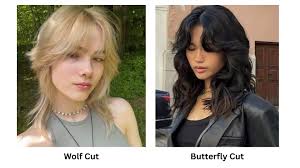
One of the most powerful aspects of the wolf cut is its gender-fluid appeal. It’s a hairstyle that transcends traditional gender norms and looks fantastic on everyone. For men, it offers a stylish alternative to more conventional cuts, providing texture and movement that can be styled to look rugged or refined. For women, it’s a way to embrace a bold, empowered look that is both feminine and fierce. For non-binary individuals, the wolf cut provides a perfect androgynous option that defies easy categorization. The cut can be customized to feel more masculine, feminine, or perfectly in between, allowing for true self-expression. Its universal appeal lies in its focus on individuality rather than conforming to any specific standard.
How to Talk to Your Stylist to Get the Perfect Cut
Communication with your stylist is key. Don’t just ask for a “wolf cut“; bring photos—lots of them! Show examples of the cut on hair that has a similar texture and length to yours. Use specific language to describe what you want.
Here are some phrases you can use:
- “I want a lot of choppy, short layers on top for volume, but I’d like to keep the length in the back.”
- “I’m looking for a soft, wispy fringe, like curtain bangs that blend into the face-framing layers.”
- “Can we make sure the layers are textured and not too blunt? I want a lived-in, shaggy look.”
- “I’d like the shape to be more similar to a modern shag than a classic mullet, with more blending between the top and bottom.”
Discussing your daily styling routine is also important. If you’re a low-maintenance person, let your stylist know so they can tailor the cut to look great even when air-dried. You can also find great visual inspiration and terminology guides on sites like the one at https://versaillesblog.com/ before your appointment.
The Pros and Cons of Getting a Wolf Cut
Before you take the plunge, it’s wise to weigh the benefits and drawbacks.
The Pros
The wolf cut is incredibly stylish and on-trend, instantly giving you a modern, edgy look. It’s great for adding volume and texture to fine or flat hair. The cut is also very versatile, with variations to suit different hair types, lengths, and face shapes. Perhaps one of its biggest advantages is that it’s designed to look a bit messy, so it’s relatively low-maintenance in terms of daily styling. It embraces natural texture and encourages a wash-and-go approach, which can be a huge time-saver. It’s also a fantastic way to express your personality and step outside of a more conventional style.
The Cons
The biggest potential downside is the grow-out phase. Because of the disconnected layers, growing out a wolf cut can be awkward. The shorter top layers will take a long time to catch up with the longer bottom layers, requiring a period of creative styling and potentially a few transitional haircuts. The style also requires regular trims every 6-8 weeks to maintain its shape, which can be a commitment. Finally, while it works for many hair types, very fine, straight hair might struggle to hold the volume and texture without a significant amount of styling product, and it might not be the best choice if you prefer a very polished, sleek look.
Growing It Out Gracefully
The dreaded grow-out phase doesn’t have to be a nightmare. As the shorter layers on top start to grow, the wolf cut will gradually morph into a softer shag. From there, you can slowly transition into a layered lob or a classic long-layered cut. The key is patience and working with a stylist to shape the hair as it grows. Using accessories like clips, headbands, and scarves can help manage awkward lengths. This is also a great time to experiment with different partings and updos. A half-up style can be particularly useful, as it allows you to pull back the shorter top layers while leaving the longer hair down. Regular micro-trims to even out the ends will make the process smoother.
Key Takeaways
- The wolf cut is a trendy hairstyle that combines the choppy layers of a shag with the length variation of a mullet.
- It’s highly customizable and can be adapted for various face shapes, hair textures, and lengths (short, medium, and long).
- Styling focuses on enhancing natural texture and volume; air-drying or using a diffuser are popular methods.
- Clear communication with your stylist, including bringing reference photos, is crucial to getting the look you want.
- While stylish and low-maintenance on a daily basis, the cut requires regular trims and can have an awkward grow-out phase.
Frequently Asked Questions (FAQ)
1. How do I maintain my wolf cut between salon visits?
To maintain your wolf cut, focus on hair health and shape. Use a good quality shampoo and conditioner for your hair type, and incorporate a weekly deep conditioning mask to keep the textured ends healthy. The most important part of at-home maintenance is managing your bangs or fringe, which will grow out the fastest. You can learn to trim them yourself or visit your salon for a quick fringe trim. Avoid cutting the main layers yourself. To refresh the style daily, use a texturizing spray or dry shampoo at the roots to boost volume and maintain that lived-in, shaggy look.
2. Is a wolf cut suitable for thin hair?
Yes, a wolf cut can be fantastic for thin or fine hair! The heavy layering on top creates the illusion of more volume and body, which is often a primary goal for those with thinner hair. The choppy texture adds movement and prevents the hair from lying flat against the head. It’s crucial to communicate with your stylist that you want to maximize volume. They can use specific cutting techniques to create lift at the crown. When styling, lightweight volumizing products like mousse or thickening spray will be your best friend, helping to support the shape and prevent it from falling flat throughout the day.
3. What are the best styling tools for a wolf cut?
The best tools depend on your hair type and desired finish. For most people, a blow dryer with both a nozzle and a diffuser attachment is essential. The nozzle helps direct airflow for a smoother blowout, while the diffuser is non-negotiable for enhancing waves and curls. A medium-sized round brush is great for adding volume at the roots and shaping your bangs. Some people also enjoy using a flat iron or a small curling wand to add extra bend and texture to specific pieces, further enhancing the shaggy feel of the cut. However, for a truly authentic wolf cut, your hands are your best tool for scrunching and styling.
4. Will a wolf cut look good on a round face?
A wolf cut can be very flattering on a round face with a few strategic adjustments. The key is to create length and avoid adding too much width at the sides of your face. Opt for a longer version of the cut where the main layers fall below the chin, which helps to elongate your facial silhouette. Pairing the cut with soft, sweeping curtain bangs or a side-parted fringe is more flattering than a heavy, straight-across bang. The volume should be concentrated at the crown of your head rather than at the cheek level. This vertical emphasis draws the eye upward and downward, creating a more oval appearance.
5. What is the grow-out process for a wolf cut really like?
Growing out a wolf cut is a process that requires patience. The main challenge is the difference in length between the short top layers and the long back layers. As it grows, the cut will first soften into a shag style. The next stage can be a bit awkward as the top layers are in that “in-between” length. At this point, you can visit your stylist to have the bottom trimmed, allowing the top to catch up, gradually transitioning you into a bob or a lob. Using accessories like clips and headbands will be very helpful. Experimenting with half-up styles can also effectively manage the different lengths during the transition.
6. Can I get a wolf cut if I have to look professional for work?
Absolutely. The wolf cut can be styled for a more professional environment. For a polished look, use a round brush to blow dry the layers for a smoother, more controlled finish rather than an edgy, textured one. Tucking the face-framing pieces behind your ears or using a single, chic barrette to pull one side back can instantly make the style look more put-together. A low, loose ponytail or bun that allows some of the shorter, face-framing layers to fall out softly can also look very elegant and office-appropriate. The key is to minimize the “messy” factor and aim for a “soft and controlled texture” instead.










Post Comment