Lifestyle Sports: Your Guide to Active Living
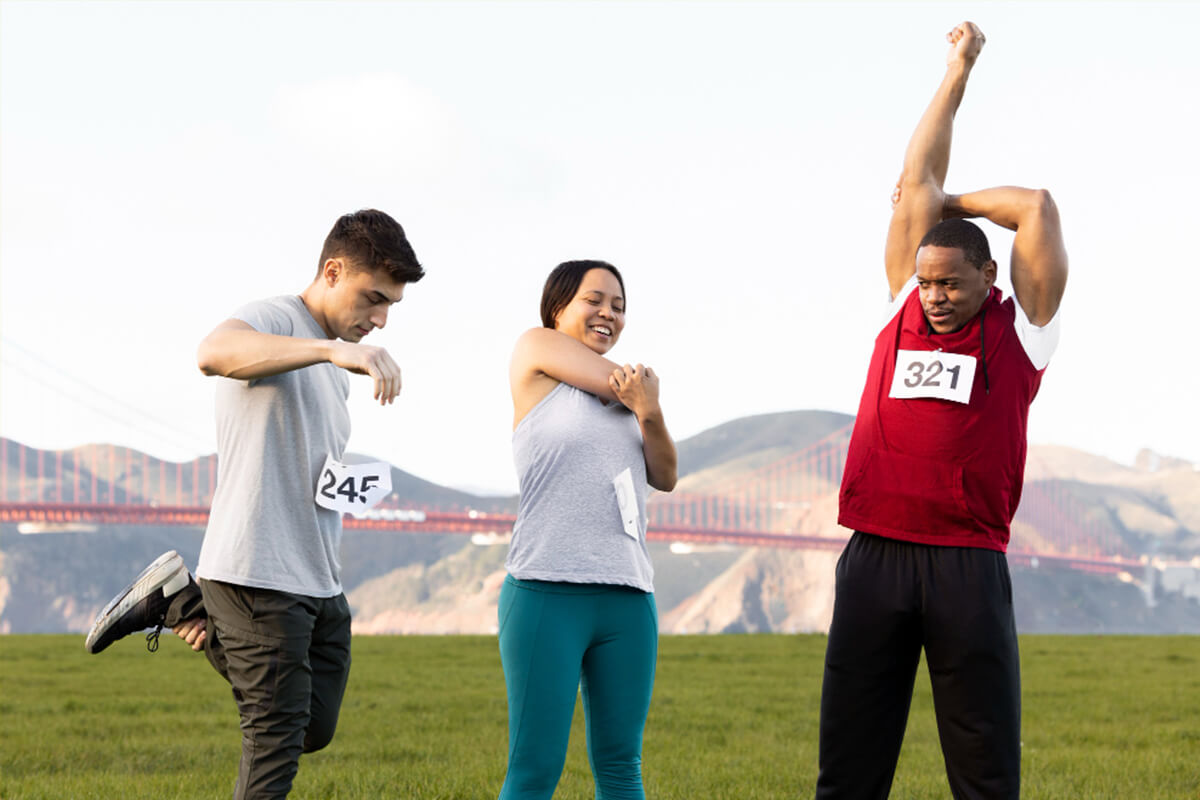
What if fitness wasn’t about grueling gym sessions or intense competition? What if it was about adventure, community, and personal growth? This is the core idea behind lifestyle sports. Unlike traditional sports focused on scores and winning, these activities are all about the experience. They blend physical activity with culture, social connection, and a deep appreciation for the environment around you.
This guide will walk you through everything you need to know about the exciting world of lifestyle sports. We’ll explore what they are, how to get started, and the incredible benefits they offer for your mind, body, and social life. From the mountains to the city streets, there is a perfect activity waiting for you.
Key Takeaways
- Lifestyle sports prioritize personal enjoyment, skill development, and community over competition and scores.
- They offer a wide range of benefits, including improved physical health, reduced stress, and new social connections.
- Getting started is often more accessible than you think, with many activities requiring minimal gear and offering low-cost entry points.
- Inclusivity is a major component, with options available for people of all ages, fitness levels, and abilities.
- These activities encourage a strong connection to nature and promote environmental responsibility.
What Exactly Are Lifestyle Sports?
When you hear the word “sport,” you might picture a basketball court or a football field. Lifestyle sports break that mold. Think of activities like surfing, skateboarding, rock climbing, or even urban parkour. The focus isn’t on a referee’s whistle or a final score. Instead, it’s about personal achievement, self-expression, and the community that forms around the activity. These sports become part of who you are—influencing your fashion, your friendships, and how you spend your free time.
The key difference from traditional sports is the why. People participate in lifestyle sports for the intrinsic joy of the activity itself. It’s about the feeling of gliding on a wave, reaching the top of a climbing wall, or exploring a new trail. The competition is usually with yourself: Can you hold that yoga pose longer? Can you run a little farther than last week? This personal focus makes them incredibly rewarding and sustainable for the long term.
The Amazing Benefits of Embracing a Lifestyle Sport
Engaging in lifestyle sports offers a holistic boost to your well-being that goes far beyond just physical fitness. While you will certainly get stronger and improve your cardiovascular health, the mental and social rewards are just as significant. Many people find these activities to be a powerful form of stress relief. The intense focus required for something like rock climbing or mountain biking helps quiet a busy mind, acting as a form of active meditation. It pulls you into the present moment, away from daily worries.
Socially, lifestyle sports are fantastic for building connections. You’ll meet people who share your passion at the skatepark, on the hiking trail, or in a yoga studio. These communities are often welcoming and supportive, built on a shared love for the activity. This sense of belonging can be a powerful motivator and lead to lasting friendships. The combination of physical exertion, mental focus, and social bonding creates a powerful recipe for a happier, healthier life.
Getting Started: Are Lifestyle Sports Beginner-Friendly?
One of the biggest myths about lifestyle sports is that you need to be an expert athlete to participate. The truth is, almost every one of these activities is incredibly welcoming to beginners. Communities built around sports like hiking, kayaking, or pickleball are filled with people who love sharing their passion and are happy to offer tips to newcomers. Many activities have a very low barrier to entry. For example, you can start hiking with just a comfortable pair of shoes and a water bottle.
Most communities have local clubs, gyms, or shops that offer introductory classes or clinics. A beginner’s rock climbing course can teach you essential safety skills, while a paddleboarding lesson can have you standing on the water in less than an hour. The key is to start small and focus on learning the fundamentals at your own pace. Don’t compare yourself to experienced participants; remember that they were once beginners, too. Embrace the learning process and celebrate your small victories along the way.
Popular Lifestyle Sports in the USA
The United States offers a vast playground for lifestyle sports, with options to suit every interest and environment. From coast to coast, people are discovering new ways to stay active and have fun.
Hiking and Trail Running
Perhaps the most accessible of all lifestyle sports, hiking and trail running simply require a trail and the will to explore. They offer a fantastic way to connect with nature, from gentle walks in local parks to challenging ascents in national forests. Trail running adds an element of speed and endurance, providing an incredible cardiovascular workout set against a beautiful backdrop. Both activities are great for building lower body strength and improving balance.
Cycling: Road, Mountain, and Urban
Cycling is a diverse sport with a tribe for every type of rider. Road cyclists love the speed and endurance of long rides on paved surfaces. Mountain bikers seek the thrill of navigating technical singletrack trails, rocks, and roots. Urban cyclists and commuters use their bikes for transportation and recreation, exploring cityscapes on two wheels. Each discipline offers a unique experience but all provide an excellent, low-impact workout.
Water-Based Fun: Paddleboarding & Kayaking
Stand-up paddleboarding (SUP) and kayaking have exploded in popularity on lakes, rivers, and coastlines across the country. SUP is a fantastic full-body workout that seriously challenges your core strength and balance. Kayaking offers a wonderful way to explore waterways, from serene glides on calm water to exciting paddles through gentle rapids. Both are perfect for a hot summer day and offer a unique perspective on the world from the water.
Climbing and Bouldering
Whether indoors at a gym or outdoors on real rock, climbing is a sport that challenges you both mentally and physically. It’s often described as “physical problem-solving.” Bouldering involves climbing shorter routes without ropes over a padded surface, making it very accessible for beginners. Roped climbing (top-roping or lead climbing) allows you to scale taller walls. Both build incredible upper body and grip strength while sharpening your focus.
Yoga and Pilates
While sometimes viewed as just “exercise,” yoga and pilates absolutely fit the definition of lifestyle sports. They have rich cultures, dedicated communities, and a focus on personal progress over competition. Yoga combines physical postures, breathing techniques, and meditation to improve flexibility, strength, and mental clarity. Pilates focuses on controlled movements to build a strong core and improve posture. Both can be practiced in a studio, at home, or even outdoors.
Skating: Skateboarding, Longboarding, and Roller Skating
Skating is a classic lifestyle sport with deep cultural roots. Skateboarding is synonymous with self-expression and creativity, with skaters using urban architecture as their playground. Longboarding offers a smoother ride, perfect for cruising along beachside paths or commuting. Roller skating has seen a massive resurgence, with communities gathering in parks and at rinks for social skates and dance sessions. All forms of skating are excellent for improving balance and coordination.
Essential Gear for Your New Hobby
Getting the right gear is part of the fun, but you don’t need to break the bank to start. The key is to invest in safety and comfort first. For an activity like running or hiking, the single most important piece of gear is your footwear. A good pair of shoes designed for the activity will prevent injury and make the experience much more enjoyable. For sports like cycling or climbing, safety equipment is non-negotiable. Always wear a helmet when cycling, and get proper instruction on how to use climbing harnesses and hardware.
Many local shops offer rental equipment, which is a fantastic way to try a sport before committing to a big purchase. You can rent a paddleboard, a kayak, or a snowboard for a day to see if you enjoy it. As you become more involved, you can slowly invest in your own gear. Remember to talk to experienced people and shop staff; they can provide invaluable advice on what you truly need to get started.
|
Lifestyle Sport |
Beginner Gear |
Intensity Level |
Typical Time Commitment |
|---|---|---|---|
|
Hiking |
Good shoes, water bottle |
Low to High |
1-6 hours per outing |
|
Yoga |
Mat, comfortable clothes |
Low to Medium |
30-90 minutes per session |
|
Pickleball |
Paddle, balls, court shoes |
Medium |
1-2 hours per session |
|
Bouldering |
Climbing shoes, chalk |
Medium to High |
1-3 hours per session |
|
Paddleboarding |
Board, paddle, PFD |
Low to Medium |
1-3 hours per outing |
Staying Safe While Having Fun
Safety should always be your top priority when participating in any physical activity, especially lifestyle sports that take place in uncontrolled environments. The first rule is to know your limits. Don’t attempt a difficult hiking trail or a challenging surf break on your first day. Build your skills and fitness gradually. It’s also crucial to learn the specific safety protocols for your chosen sport. This could mean taking a lesson, watching tutorials, or going out with an experienced friend.
Always check the conditions before you head out. For water sports, this means checking the weather, tides, and currents. For mountain sports, check the weather forecast and avalanche conditions if applicable. Always tell someone where you are going and when you expect to be back. Carrying a basic first-aid kit, extra water, and a way to communicate (like a fully charged phone) is a smart practice for any outdoor adventure.
How Much Do Lifestyle Sports Cost?
The cost of entry for lifestyle sports can vary dramatically, but many are surprisingly affordable. Activities like running, hiking, and bodyweight fitness are virtually free, requiring only basic apparel and footwear you may already own. Others, like pickleball or skateboarding, have a modest initial investment for a paddle or a board. You can often find used gear in great condition, which is an excellent way to save money when you’re just starting out.
Sports that require more specialized equipment, such as snowboarding, mountain biking, or surfing, can have a higher up-front cost. However, as mentioned, renting gear is a perfect option for trying these sports without a major financial commitment. Many communities also have gear-swap events or online groups where you can buy, sell, and trade equipment. Don’t let a perceived high cost deter you; with a little research, you can find a way to participate in almost any lifestyle sport on a budget.
Training Tips for Total Beginners
Starting a new physical activity can feel intimidating, but a few simple training principles can set you up for success. The most important tip is consistency over intensity. It’s far better to do a short, 20-minute activity three or four times a week than to do one exhausting three-hour session on the weekend. Consistency builds habits and allows your body to adapt safely, reducing the risk of injury and burnout.
Start with the fundamentals. Before trying to run a 5k, focus on a run/walk program. Before attempting a complex yoga pose, master the foundational ones like Downward-Facing Dog and Warrior II. Listen to your body. It’s normal to feel some muscle soreness when you start something new, but sharp or persistent pain is a signal to rest or see a professional. Finally, remember to incorporate rest days into your routine. Your muscles get stronger during recovery, not just during the workout itself.
Building a Community Around Your Sport
One of the most enriching aspects of lifestyle sports is the community. Finding your “tribe” can provide motivation, support, and lasting friendships. A great way to start is by searching for local clubs or groups on social media platforms like Facebook or Meetup.com. You’ll find groups for almost everything, from local hiking clubs to weekly roller skating meetups. Don’t be shy about showing up to an event; these groups are typically very welcoming to new members.
Local retail shops that specialize in your sport are also excellent community hubs. The staff are passionate and knowledgeable, and the store bulletin board is often a great source of information about local events, workshops, and group outings. Participating in beginner clinics or classes is another fantastic way to meet people who are at the same skill level as you. Sharing the learning experience with others is a powerful bonding tool. You can find more ideas for connecting with like-minded people on platforms like https://versaillesblog.com/.
Nutrition and Recovery Basics
To get the most out of your new active lifestyle, you need to fuel your body properly and give it time to recover. Nutrition doesn’t have to be complicated. Focus on eating a balanced diet with plenty of whole foods, including fruits, vegetables, lean proteins, and healthy fats. Proper hydration is critical, especially when you’re active. Make sure you are drinking plenty of water throughout the day, not just during your activity. Before a workout, a small, easily digestible snack can provide a good energy boost.
Recovery is just as important as the activity itself. This is when your body repairs and strengthens itself. The most crucial component of recovery is sleep. Aim for 7-9 hours of quality sleep per night. Gentle stretching or foam rolling after a session can also help reduce muscle soreness and improve flexibility. Listening to your body and taking rest days when you feel tired or run-down is essential for long-term progress and injury prevention.
Conclusion
Embracing lifestyle sports is about more than just finding a new way to exercise; it’s about discovering a new passion that enriches your entire life. It’s an invitation to play, explore, and connect with yourself, others, and the world around you. By prioritizing personal joy and progress over scores and standings, these activities offer a sustainable and deeply rewarding path to physical and mental wellness. Whether you choose the quiet trails of a forest, the bustling energy of a skatepark, or the calm focus of a yoga mat, you are taking a step toward a more active, engaged, and fulfilling life. The first step is the hardest, but the adventure that awaits is well worth the effort.
Frequently Asked Questions (FAQ)
1. What is the main difference between lifestyle sports and traditional sports?
The primary difference is the motivation. Traditional sports are often focused on competition, winning, and structured rules. Lifestyle sports prioritize personal enjoyment, self-expression, skill progression, and the culture surrounding the activity itself.
2. I’m not very athletic. Can I still participate in lifestyle sports?
Absolutely! Lifestyle sports are for everyone, regardless of your current fitness level. Many activities like hiking, yoga, or paddleboarding can be started at a very gentle pace. The focus is on personal improvement, not comparing yourself to others.
3. How do I find people to do these sports with?
Look for local clubs on social media, check out apps like Meetup, or visit specialty sports shops in your area. Attending beginner classes or workshops is also a fantastic way to meet other people who are new to the sport.
4. Are lifestyle sports expensive to get into?
They don’t have to be. While some lifestyle sports like snowboarding have higher gear costs, many are very affordable. Running and hiking are nearly free, and you can often rent equipment for sports like kayaking or climbing to try them before you buy.
5. How can I fit lifestyle sports into a busy schedule?
Start small. Even a 20-minute bike ride, a quick session at an indoor climbing gym, or a short run can make a big difference. The key is consistency. Look for opportunities to be active in your daily life, like cycling to work or taking a walk during your lunch break.
6. What is the best way to choose a lifestyle sport?
Think about what sounds fun to you and what is accessible in your area. Do you love being in nature? Try hiking or kayaking. Do you prefer a more social, urban vibe? Maybe pickleball or skateboarding is a good fit. Try a few different things to see what you enjoy most.
7. How important is safety when starting new lifestyle sports?
Safety is extremely important. Always learn the basic safety rules for your chosen activity, use the proper safety gear (like a helmet or life vest), and know your personal limits. Taking an introductory lesson from a qualified instructor is one of the best ways to start safely.











Post Comment