Nativität: Unpacking the Meaning of a Timeless Tradition
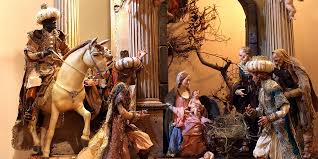
When you hear the word nativität, what comes to mind? For many, it conjures images of a humble stable, a starry night, and the serene scene of the nativity. While the term itself might sound formal or even foreign, its meaning is deeply familiar and cherished around the world. The concept of nativität is more than just a historical event; it represents a rich tapestry of art, culture, and faith that has inspired people for centuries. It’s a story of hope, humility, and new beginnings that continues to resonate deeply in our modern lives. This article will explore the multifaceted world of nativität, from its origins and artistic representations to its enduring cultural impact and how families celebrate it today.
Key Takeaways
- What is Nativität?: The term nativität refers to the birth of Jesus Christ, a cornerstone event in Christianity. It encompasses the story, its theological significance, and its artistic and cultural representations.
- Artistic Legacy: The nativität has inspired countless masterpieces, from paintings and sculptures to music and literature, evolving in style and interpretation across different historical periods.
- The Nativity Scene: The physical display of the nativität, known as a nativity scene or crèche, is a beloved tradition that helps visualize the story and bring its message into homes and communities.
- Global Traditions: While the core story is the same, celebrations and traditions surrounding the nativität vary widely across different cultures, reflecting unique local customs and heritage.
Understanding the Core Concept of Nativität
At its heart, nativität is the German word for “nativity,” which comes from the Latin nativitas, meaning “birth.” Specifically, it refers to the birth of Jesus Christ as described in the biblical gospels of Matthew and Luke. This event is a central tenet of the Christian faith, marking the incarnation—the belief that God became human in the form of Jesus. The story includes the journey of Mary and Joseph to Bethlehem, the lack of room at the inn, the birth in a humble stable, and the arrival of shepherds and Magi (wise men) to honor the newborn king. The concept of nativität is not just about a single moment but about the profound theological implications of that moment for believers worldwide. It signifies the arrival of hope, salvation, and divine love in a tangible, human form, making it one of the most celebrated events in the Christian calendar.
The Historical and Biblical Roots of the Nativität Story
The primary sources for the nativität narrative are the New Testament gospels of Matthew and Luke. While both accounts describe the birth of Jesus in Bethlehem, they offer different details and perspectives.
- The Gospel of Luke: Luke’s gospel provides the most detailed and picturesque version of the nativität. It describes the Roman census that required Joseph and a pregnant Mary to travel from Nazareth to Bethlehem. It tells of the birth in a manger because there was no room at the inn and the angelic announcement to shepherds in a nearby field, who then rush to see the infant.
- The Gospel of Matthew: Matthew’s account focuses on Joseph’s perspective, including his initial concern and the angelic reassurance he receives in a dream. It is also the only gospel to mention the Magi, or wise men, who follow a star from the East to find the newborn king, presenting him with symbolic gifts of gold, frankincense, and myrrh.
These two narratives combine to form the traditional nativität story that is widely known today. This story forms the foundation of Christmas celebrations and has been a source of theological study and artistic inspiration for over two millennia.
The Nativität in Art: A Visual Journey Through Time
Art has been one of the most powerful mediums for conveying the story of the nativität. For centuries, artists have used their talents to capture the wonder and humility of the scene, with styles evolving dramatically over time.
Early Christian and Byzantine Art
In the early centuries of Christianity, depictions of the nativität were symbolic and simple. They often appeared in catacombs and on sarcophagi, focusing more on the theological importance than on realistic detail. Byzantine art developed a more standardized iconography, often showing Mary reclining on a mat beside the swaddled infant Jesus, with Joseph seated apart, and the ox and donkey—animals of prophecy—present. These images were less about historical accuracy and more about conveying sacred truths.
Renaissance Masterpieces of the Nativität
The Renaissance brought a new emphasis on humanism, realism, and emotion to nativität art. Artists like Giotto, Botticelli, and Leonardo da Vinci painted scenes filled with naturalistic detail, tender interactions, and a profound sense of divinity within a human setting. They experimented with light, perspective, and composition to draw the viewer into the sacred moment. For example, the use of chiaroscuro (strong contrasts between light and dark) often highlighted the infant Jesus as the source of divine light, a technique that added deep emotional and spiritual layers to the nativität depiction.
Baroque and Beyond
The Baroque period saw artists like Caravaggio and Rubens create dramatic, dynamic, and emotionally intense nativität scenes. These works were designed to inspire awe and devotion in the viewer, using powerful movement and rich color. In later centuries, the representation of nativität continued to evolve, with artists from different cultures and movements interpreting the story through their unique lenses, from the impressionists to modern and contemporary artists. Exploring the history of art can provide deeper insights, much like the rich content found on cultural websites like the one at https://versaillesblog.com/.
The Nativity Scene: A Beloved Tradition
One of the most cherished traditions associated with nativität is the creation of the nativity scene, also known as a crèche or manger scene. This practice is largely credited to Saint Francis of Assisi.
The Origin with Saint Francis
In 1223, Saint Francis wanted to help the people of Greccio, Italy, better understand and connect with the story of Jesus’s birth. He received permission from the Pope to set up a living nativität, complete with a real manger, hay, and live animals—an ox and a donkey. He invited the local townspeople to a midnight Mass where he preached about the humility and poverty of the Savior’s birth. This powerful, tangible experience was so moving that the tradition quickly spread. People began creating small-scale replicas for their own churches and homes, and the nativity scene as we know it was born.
Elements of a Traditional Nativität Scene
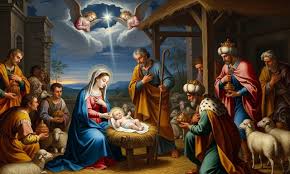
A nativity scene can be simple or elaborate, but it typically includes a core set of figures.
|
Figure |
Symbolism |
|---|---|
|
Infant Jesus |
The central figure, representing divinity, hope, and salvation. |
|
Mary |
The mother of Jesus, symbolizing purity, faith, and maternal love. |
|
Joseph |
The earthly father of Jesus, representing protection, obedience, and righteousness. |
|
Shepherds |
The first to hear the news, symbolizing humility and the common people. |
|
Angels |
Messengers of God, announcing the birth and bringing “good news of great joy.” |
|
Magi (Wise Men) |
Visitors from the East, representing the Gentiles (non-Jews) and the recognition of Jesus by the world. |
|
Animals (Ox & Donkey) |
Traditionally present, symbolizing warmth, humility, and the fulfillment of prophecy. |
|
The Star |
The Star of Bethlehem, which guided the Magi and symbolizes divine guidance. |
These figures come together to create a visual representation of the nativität that serves as a focal point for reflection and celebration during the Christmas season.
Global Nativität Traditions and Celebrations
While the story of the nativität is universal in Christianity, the way it is celebrated varies greatly from one culture to another. These diverse traditions enrich the global understanding of Christmas.
Germany’s Weihnachtskrippe
In Germany, where the word nativität originates, nativity scenes (Weihnachtskrippe) are a major part of Christmas. German artisans are famous for their intricately carved wooden figures, and Christmas markets often feature elaborate nativität displays.
Italy’s Presepe
Italy, the birthplace of the nativity scene, has a passionate tradition of presepi. Naples is especially famous for its sprawling, detailed scenes that go far beyond the stable, often including entire villages with dozens of characters from daily life.
Latin America’s Nacimiento
In many Latin American countries, the Nacimiento is the most important Christmas decoration. Families often set up the scene at the beginning of Advent but leave the manger empty. The figure of the baby Jesus is only placed in the manger on Christmas Eve, marking the moment of his birth.
The Philippines’ Belén
In the Philippines, the Belén is a central part of the Christmas season. These nativity scenes can be found everywhere—in homes, churches, schools, and even office buildings. Some communities hold competitions for the most beautiful and creative nativität display.
The Enduring Message of Nativität Today
Beyond the historical and religious context, the story of nativität carries a message that continues to resonate with people of all backgrounds. It is a story that champions humility over power, hope in times of darkness, and the idea that great things can come from the most humble of beginnings. In a world that often feels complex and divided, the simple, peaceful scene of the nativität serves as a powerful reminder of peace, love, and the potential for new beginnings. It encourages a spirit of giving, compassion, and unity, values that are truly timeless and universal. The annual celebration of the nativität provides a moment to pause, reflect, and reconnect with these fundamental human values.
Conclusion
The concept of nativität is far more than just a historical account of a birth; it is a profound narrative that has shaped faith, inspired art, and fostered cultural traditions for millennia. From the biblical gospels to the masterpieces of the Renaissance and the cherished nativity scenes in homes around the world, the story of the nativität continues to capture hearts and minds. It serves as an annual reminder of hope, humility, and the universal desire for peace on Earth. Whether viewed through the lens of faith, art, or culture, the enduring power of the nativität lies in its simple yet powerful message of love’s arrival in a humble manger.
Frequently Asked Questions (FAQ)
1. What is the difference between “nativität” and “nativity”?
“Nativität” is the German word for “nativity.” Both terms refer to the birth of Jesus Christ and the traditions, art, and stories surrounding it. The core meaning is identical.
2. Why are an ox and a donkey always in nativity scenes?
The ox and donkey are not mentioned in the biblical accounts of the nativität. Their presence is a tradition based on a passage from the Old Testament prophet Isaiah (Isaiah 1:3), which says, “The ox knows its owner, and the donkey its master’s crib.” Early Christians interpreted this as a prophecy, symbolizing that even animals recognized the divinity of Jesus when many humans did not.
3. Who invented the nativity scene?
The tradition of creating a physical nativity scene is widely attributed to Saint Francis of Assisi. In 1223, he set up a live nativität in Greccio, Italy, with real people and animals to help the local community visualize and connect with the story of Jesus’s birth.
4. When should you set up a nativität scene?
Traditions vary. Many families set up their nativity scenes at the beginning of Advent, which is the fourth Sunday before Christmas. Some add figures incrementally—for example, adding the Magi on the feast of the Epiphany in January. A common practice is to place the baby Jesus figure in the manger on Christmas Eve.













Post Comment