Discovering the Treasures of the Russian Art Museum Minnesota
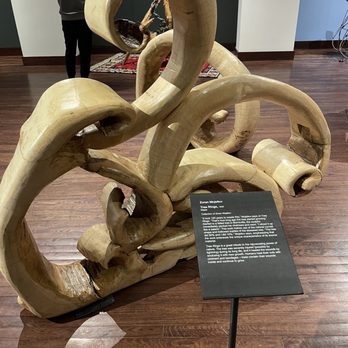
Have you ever wondered what stories lie behind the vibrant colors and dramatic scenes of Russian art? Nestled in Minneapolis, there is a unique cultural gem dedicated entirely to this rich artistic heritage: The Museum of Russian Art. This article will guide you through everything you need to know about the Russian Art Museum Minnesota, from its fascinating history and stunning collections to planning your very own visit. It’s a place where every painting and sculpture tells a story, offering a window into a different world.
Key Takeaways
- A Unique Focus: The Russian Art Museum Minnesota is the only museum in North America devoted exclusively to the art and artifacts of Russia and the former Soviet Union.
- Historic Setting: The museum is housed in a beautifully renovated historic building, a former church, which adds to its unique atmosphere.
- Diverse Collections: You will find a wide range of art, from Soviet-era Realism and nonconformist art to traditional folk crafts and contemporary works.
- Engaging for All: With special exhibitions, educational programs, and community events, the museum offers something for every visitor, regardless of their prior knowledge of Russian art.
The Story Behind the Russian Art Museum Minnesota
The journey of the Russian Art Museum Minnesota (TMORA) is as captivating as the art it displays. The museum was founded in 2002 by Raymond and Susan Johnson, art collectors with a deep passion for Russian Realist paintings from the 20th century. What began as a small gallery collection has grown into a major cultural institution.
Initially, the collection was housed in a smaller location in Bloomington, Minnesota. However, as its collection and reputation grew, it needed a new home. In 2005, the museum relocated to its current, remarkable location: a beautifully restored Spanish Colonial Revival-style building in Minneapolis. This building, a former church, provides a stunning and serene backdrop for the powerful artwork within. Its high ceilings and open spaces are perfectly suited for displaying large-scale paintings and intricate sculptures.
The Museum’s Mission and Vision
The core mission of the Russian Art Museum Minnesota is to promote understanding of Russian art and culture for a diverse American audience. It aims to achieve this through the exhibition of art, the preservation of its collections, and the presentation of educational programs. The museum serves as a vital bridge, fostering cultural exchange and dialogue. By showcasing art from different eras—including Tsarist Russia, the Soviet period, and contemporary Russia—TMORA offers a comprehensive and nuanced look into the country’s complex history and vibrant cultural life.
What to See: Exploring the Collections
The permanent collection and rotating exhibitions at TMORA are the heart of the visitor experience. The museum showcases a remarkable breadth of artistic styles and periods, ensuring there is always something new and exciting to discover.
Socialist Realism: Art of the State
A significant portion of the collection is dedicated to Socialist Realism, the officially sanctioned art style of the Soviet Union. These works often depict scenes of industrial labor, heroic soldiers, and idealized community life.
Characteristics of Socialist Realism:
- Optimistic Tone: The art promotes a positive and forward-looking view of Soviet society.
- Realistic Style: Artists used a highly realistic and academic painting style.
- Proletarian Heroes: The common worker, farmer, and soldier were celebrated as heroes.
- State-Driven Themes: The subjects were often dictated by the government to serve as propaganda.
While it served a political purpose, this art is technically brilliant and offers incredible insight into the values and aspirations of the Soviet era. The paintings are often grand in scale and emotionally powerful.
Nonconformist Art: The Underground Movement
In direct contrast to Socialist Realism, the museum also features a compelling collection of nonconformist art. This art was created by artists who worked outside the official Soviet system, often in secret. They defied state control to express their personal vision, experimenting with styles like abstraction, surrealism, and expressionism. Visiting this part of the Russian Art Museum Minnesota is like uncovering a hidden history, revealing the courage and creativity of artists who risked everything for their craft.
Traditional Crafts and Folk Art
Beyond paintings, the museum celebrates Russia’s rich tradition of folk art. You can find exquisite examples of Palekh and Fedoskino lacquer miniatures, which are tiny, intricately painted boxes. The collection also includes colorful nesting dolls (matryoshka), carved wooden toys, and traditional textiles. These items provide a charming and authentic glimpse into the daily life and cultural traditions of Russia over centuries.
Special Exhibitions and Events
One of the most exciting aspects of the Russian Art Museum Minnesota is its dynamic schedule of special exhibitions. The museum regularly hosts temporary shows that focus on specific artists, themes, or historical periods. These exhibitions often feature works on loan from major international museums and private collections, providing a once-in-a-lifetime viewing opportunity.
Past exhibitions have covered a wide range of topics, including:
- The avant-garde works of artists like Kazimir Malevich.
- Wartime photography from the Eastern Front.
- Contemporary art from post-Soviet Russia.
In addition to exhibitions, TMORA hosts a vibrant calendar of events. These include lectures by art historians, classical music concerts, film screenings, and family-friendly activity days. These programs are designed to deepen the visitor’s engagement with Russian culture and provide context for the art on display.
Planning Your Visit to the Museum
A trip to the Russian Art Museum Minnesota is easy to plan and incredibly rewarding. Here is some practical information to help you prepare.
Location, Hours, and Admission
The museum is conveniently located at the intersection of Diamond Lake Road and 35W in Minneapolis.
- Address: 5500 Stevens Ave, Minneapolis, MN 55419
- Hours: The museum is open seven days a week, but it’s always a good idea to check the official website for the most current hours and any special closures.
- Admission: There is an admission fee for adults, with discounts available for seniors and students. Children under 13 and active military members often receive free admission. The museum is also a member of the Blue Star Museums program.
Getting the Most Out of Your Visit
To enhance your experience, consider taking one of the docent-led tours. These guided tours are led by knowledgeable volunteers who share fascinating stories and details about the artworks that you might otherwise miss. Audio guides are also available for a self-paced tour. Don’t forget to stop by the museum shop, which offers a unique selection of books, prints, and authentic Russian gifts.
Thinking about other unique cultural experiences? You might find inspiration by exploring the history and artistry of famous European landmarks, much like the detailed explorations found on https://versaillesblog.com/.
The Building: A Work of Art Itself
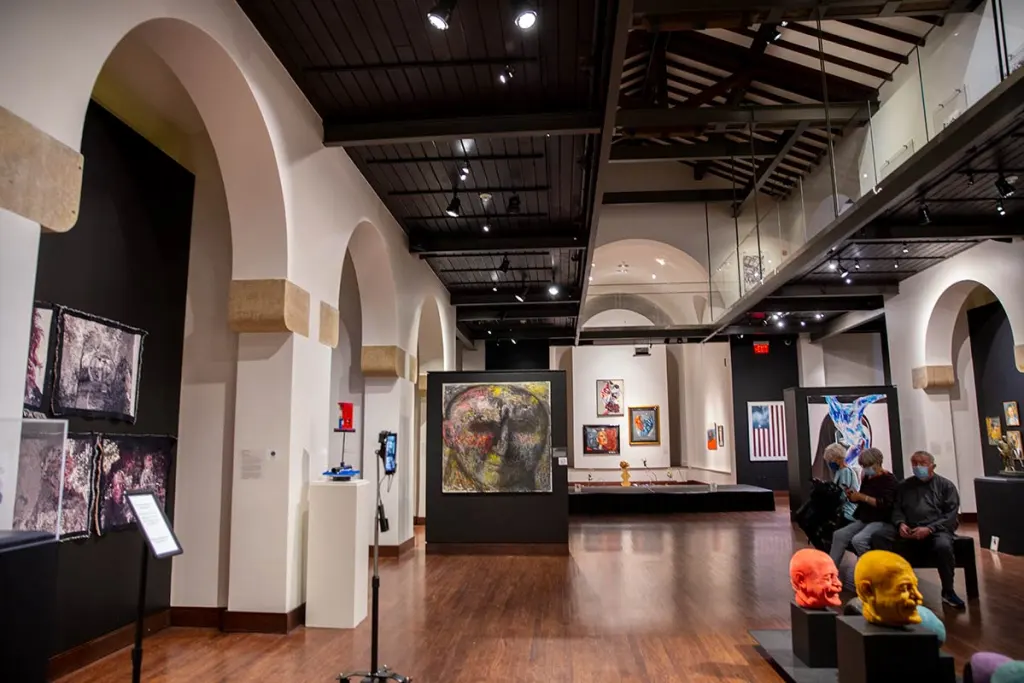
The home of the Russian Art Museum Minnesota is an architectural treasure. Originally built in 1934 as the Mayflower Congregational Church, the building was later used as a funeral home before being acquired by the museum. The structure underwent an extensive, award-winning renovation to transform it into a world-class exhibition space.
The main gallery, formerly the church sanctuary, features a 30-foot ceiling and pristine white walls, creating a reverent and spacious atmosphere for the art. The lower-level galleries provide more intimate spaces for smaller works and special exhibits. The preservation of the building’s historic character, combined with modern museum standards, makes the setting a key part of the TMORA experience.
|
Feature |
Original Use (Church) |
Current Use (Museum) |
|---|---|---|
|
Main Sanctuary |
Worship Hall |
Main Exhibition Gallery |
|
Stained Glass |
Religious Scenes |
Maintained for historic and aesthetic value |
|
Lower Level |
Meeting Rooms |
Lower Galleries and Event Spaces |
|
Exterior |
Church Façade |
Preserved Spanish Colonial Revival Style |
Educational Opportunities at TMORA
The Russian Art Museum Minnesota is deeply committed to education. The museum offers a variety of programs for schools, families, and adults. Field trips for K-12 students are popular, providing a unique opportunity for young learners to engage with a different culture through art.
For adults, the museum organizes in-depth lectures, seminars, and language classes. These programs delve into topics like Russian history, literature, and politics, providing a richer context for understanding the art on display. The museum acts as a cultural center, fostering a community of people interested in the vast and fascinating world of Russian culture.
Why TMORA is a Must-See Cultural Destination
In a world full of art museums, the Russian Art Museum Minnesota stands out for its unique and focused mission. It offers an unparalleled opportunity to explore the artistic soul of a nation known for its dramatic history and profound cultural contributions.
Whether you are an art aficionado, a history buff, or simply a curious traveler, a visit to TMORA is an enriching experience. It challenges perceptions, sparks curiosity, and reveals the universal human emotions that connect us all, regardless of our cultural background. The museum is a testament to the power of art to tell stories, preserve history, and build bridges between people.
Frequently Asked Questions (FAQ)
Q1: Do I need to know about Russian history to enjoy the museum?
A: Not at all! The museum is designed to be accessible to everyone. All artworks have clear descriptions in English, and the exhibits are curated to provide historical context. It’s a great place to learn.
Q2: Is the museum suitable for children?
A: Yes, the museum is family-friendly. The vibrant colors and powerful imagery of many paintings can be very engaging for children. The museum also occasionally hosts family days with special activities.
Q3: How much time should I plan for my visit?
A: To see the main collections and any special exhibitions, it is best to allow at least 1.5 to 2 hours. If you take a guided tour or are particularly interested in the art, you could easily spend more time.
Q4: Is photography allowed in the museum?
A: Non-flash photography for personal use is generally permitted in the permanent collection galleries. However, photography may be restricted in special exhibitions, so be sure to look for signs or ask a staff member.
Q5: What makes the Russian Art Museum Minnesota unique?
A: It is the only museum in North America dedicated exclusively to preserving and exhibiting Russian art from the last century. Its focused collection provides a depth and perspective you won’t find anywhere else on the continent.












Post Comment