The Ultimate Guide to the Modern Motorcycle
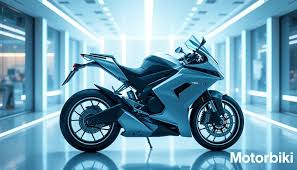
The feeling of freedom on the open road, the hum of the engine, the wind rushing past—there’s something undeniably special about a motorcycle. More than just a mode of transportation, a motorcycle represents adventure, efficiency, and a unique connection between rider, machine, and environment. Whether you’re a seasoned rider or just starting to dream about your first bike, this guide will explore the exciting world of motorcycles. We’ll cover everything from their rich history and diverse types to essential safety gear and the vibrant culture that surrounds them. This journey will provide you with the knowledge to appreciate, choose, and safely enjoy your own motorcycle adventure.
Key Takeaways
- The motorcycle has evolved significantly from its early steam-powered origins to today’s highly advanced and specialized machines.
- There is a wide variety of motorcycle types, including cruisers, sport bikes, touring bikes, and adventure bikes, each designed for a specific purpose and riding style.
- Proper safety gear, such as helmets, jackets, gloves, and boots, is non-negotiable for rider protection.
- Regular maintenance is crucial for ensuring the safety, performance, and longevity of any motorcycle.
- The motorcycle community is a diverse and welcoming culture built on a shared passion for riding and exploration.
A Brief History of the Motorcycle
The story of the motorcycle begins long before the roaring machines we know today. Its origins can be traced back to the late 19th century with the invention of steam-powered bicycles. The first commercially successful production motorcycle, the Hildebrand & Wolfmüller, appeared in 1894. However, it was the development of the internal combustion engine that truly sparked the revolution. Early pioneers like Harley-Davidson and Indian in the United States began building machines that set the standard for future generations.
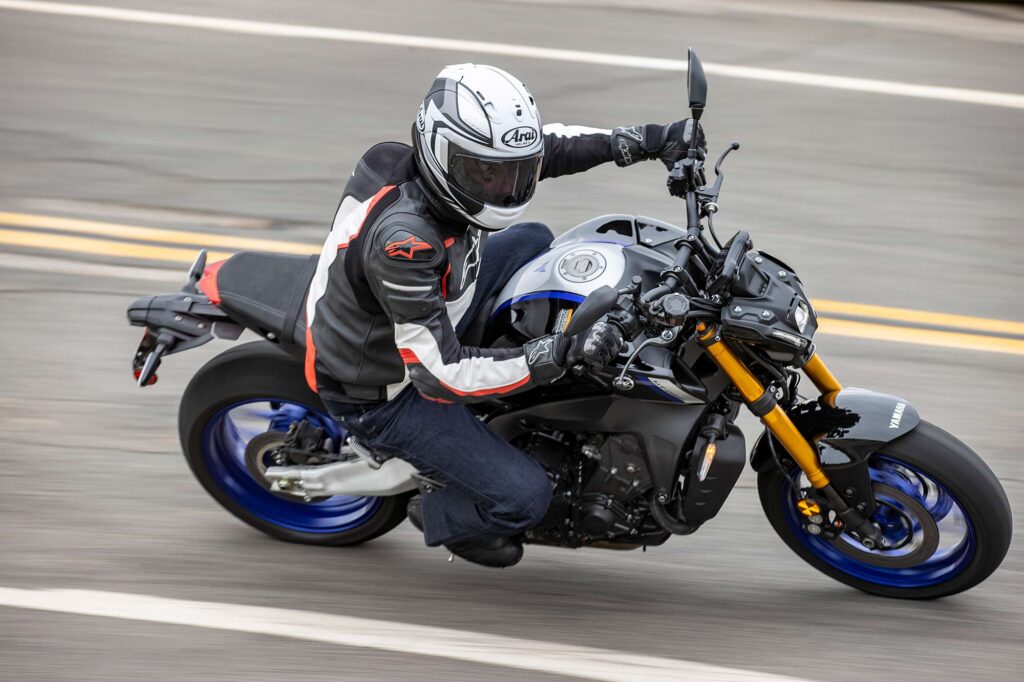
Through the decades, the motorcycle transformed. It served valiantly in both World Wars as a swift vehicle for scouts and messengers. Post-war, it became a symbol of rebellion and counter-culture, famously depicted in films and media. Technological advancements continued at a rapid pace, with Japanese manufacturers like Honda, Yamaha, and Kawasaki introducing reliable, high-performance models in the latter half of the 20th century. Today, the modern motorcycle is a marvel of engineering, incorporating advanced electronics, lightweight materials, and powerful, efficient engines.
Understanding the Different Types of Motorcycles
Choosing a motorcycle can feel overwhelming due to the sheer variety available. Each type is engineered with a specific riding experience in mind. Understanding these categories is the first step toward finding the perfect bike for your needs.
Cruisers: The Classic Choice
When many people picture a motorcycle, they often think of a cruiser. These bikes are characterized by a relaxed riding position, with forward-set footpegs and high handlebars that pull back toward the rider. They are designed for comfortable, low-stress riding on highways and city streets. With powerful, torque-rich V-twin engines, cruisers provide a satisfying rumble and smooth acceleration. Brands like Harley-Davidson and Indian are synonymous with this style, which is perfect for leisurely weekend rides and showing off classic American iron.
Sport Bikes: Built for Speed and Agility
At the opposite end of the spectrum from cruisers are sport bikes. These machines are the street-legal cousins of professional racing motorcycles. Built for performance, they feature a forward-leaning riding position, lightweight frames, and powerful high-revving engines. A sport motorcycle is designed for incredible acceleration, sharp handling, and high top speeds. Their aggressive ergonomics make them less suited for long-distance comfort but unmatched for thrills on twisty roads or track days.
Touring Bikes: For the Long Haul
For riders who want to cross state lines or even continents, the touring motorcycle is the ultimate companion. These are the largest and most comfortable bikes on the road, built with long-distance travel in mind. They come equipped with large fuel tanks, extensive wind protection from fairings and windshields, and ample luggage capacity. Modern touring bikes also feature luxury amenities like heated seats, advanced navigation systems, and premium sound systems, turning a long road trip into a first-class experience.
Adventure (ADV) Bikes: The Best of Both Worlds
What if you want a motorcycle that can handle both paved roads and rugged dirt trails? Enter the adventure bike, or ADV. These versatile machines combine the long-distance comfort of a touring bike with the off-road capabilities of a dirt bike. They feature long-travel suspension, durable construction, and a more upright riding position that allows for control whether sitting or standing. An adventure motorcycle is the perfect choice for the rider who sees a dirt road not as an obstacle, but as an invitation to explore.
Essential Motorcycle Gear for Every Rider
Riding a motorcycle is an exhilarating experience, but it comes with inherent risks. Unlike a car, there is no metal cage to protect you. Your gear is your primary line of defense. Investing in high-quality safety equipment is the most important decision you will make as a rider.
The Helmet: Your Most Critical Piece of Gear
Your helmet is, without question, the single most important piece of safety gear. It protects your brain from impact in the event of a crash. Always choose a helmet that is certified by the Department of Transportation (DOT). For enhanced safety, look for additional certifications like ECE or Snell. A full-face helmet offers the most protection, covering your entire head and face, while other styles like modular or open-face offer different levels of coverage and convenience.
Jackets and Pants: Protection from Impact and Abrasion
Motorcycle-specific jackets and pants are designed to protect you from more than just the weather. They are made from abrasion-resistant materials like leather or ballistic textiles and include built-in armor at key impact points like the elbows, shoulders, back, and knees. This armor is engineered to absorb and distribute the force of an impact, significantly reducing the risk of broken bones and serious injury.
Gloves, Boots, and Eye Protection
- Gloves: Your hands are often the first thing to hit the ground in a fall. Motorcycle gloves not only protect your hands from abrasion but also improve your grip and control of the motorcycle.
- Boots: Proper over-the-ankle riding boots protect your feet and ankles from impact and twisting injuries. They also provide a non-slip sole for secure footing when you stop.
- Eye Protection: If you don’t have a full-face helmet with a visor, you need goggles or shatter-proof glasses to protect your eyes from wind, debris, and insects.
Basic Motorcycle Maintenance You Can Do Yourself
Keeping your motorcycle in top condition is essential for safety and performance. While some jobs are best left to a professional mechanic, there are several key maintenance tasks that every rider should know how to perform. Regularly checking these components will help you catch small issues before they become big problems. For more in-depth guides, you might find useful resources on sites like https://versaillesblog.com/.
Tire Inspection and Pressure
Your tires are your only connection to the road. Before every ride, you should visually inspect them for any signs of damage, like cuts or embedded objects. It is also critical to check the tire pressure using a reliable gauge. The correct pressure, found in your motorcycle owner’s manual, ensures optimal handling, braking, and tire life. Under-inflated or over-inflated tires can be extremely dangerous.
Checking Fluids and Chain
Most motorcycles rely on oil to lubricate the engine and a chain to transfer power to the rear wheel. You should regularly check your oil level using the dipstick or sight glass. It’s also important to keep your drive chain clean and properly lubricated. A neglected chain will wear out quickly and can even break, which could cause a serious accident. Be sure to check the chain tension and adjust it as needed according to your manual’s specifications.
Brake and Light Checks
Functioning brakes and lights are non-negotiable. Before you ride, squeeze the front and rear brake levers to ensure they feel firm and responsive. Visually inspect the brake fluid levels in their reservoirs. Also, take a moment to test all your lights: the headlight (both high and low beams), tail light, brake lights, and turn signals. This simple check ensures that you can see the road ahead and that other drivers can see you.
|
Maintenance Task |
Frequency |
Why It’s Important |
|---|---|---|
|
Tire Pressure Check |
Before every ride |
Ensures proper handling, braking, and tire longevity. |
|
Chain Lubrication |
Every 300-500 miles |
Prevents premature wear and potential chain failure. |
|
Oil Level Check |
Weekly |
Protects the engine from damage due to low oil. |
|
Light Function Test |
Before every ride |
Critical for visibility to other road users. |
|
Brake Inspection |
Weekly |
Ensures you have full stopping power when needed. |
The Vibrant Culture of Motorcycle Riding
Owning a motorcycle is more than just having a vehicle; it’s an entry into a global community. This culture is built on a shared passion for freedom, adventure, and the machines themselves. Riders often greet each other on the road with a subtle wave, a small gesture of solidarity that connects strangers. This sense of camaraderie extends to rallies, bike nights, and charity rides, where thousands of enthusiasts gather to share stories, admire each other’s bikes, and celebrate their love for riding.
The community is incredibly diverse, welcoming people from all walks of life. Whether you ride a classic cruiser, a high-tech sport bike, or a rugged adventure motorcycle, you are part of this unique brotherhood and sisterhood. Online forums and local riding clubs offer fantastic opportunities to connect with fellow riders, plan group rides, and learn more about your passion. Exploring this culture is one of the most rewarding aspects of being a motorcyclist.
Conclusion
The motorcycle is a powerful symbol of independence and a practical tool for transportation and exploration. From its historical roots to the diverse array of modern machines, there is a motorcycle for every personality and purpose. By understanding the different types, prioritizing safety through proper gear, and committing to regular maintenance, you can unlock a world of adventure. The journey of a motorcyclist is one of continuous learning and discovery, supported by a vibrant and welcoming community. Whether you’re navigating city streets or carving through mountain passes, the experience of riding a motorcycle is truly unlike any other.
Frequently Asked Questions (FAQ)
1. Is riding a motorcycle difficult to learn?
Learning to ride a motorcycle requires coordination and practice, but it is an achievable skill for most people. The best way to learn is by taking a certified safety course, like the one offered by the Motorcycle Safety Foundation (MSF). These courses teach you the fundamental skills in a safe, controlled environment.
2. What is the best beginner motorcycle?
A good beginner motorcycle is typically lightweight, has a manageable amount of power, and a neutral, upright riding position. Many manufacturers offer models specifically designed for new riders, often in the 250cc to 500cc engine range. It’s best to start on a smaller bike and build your skills before moving up to a more powerful machine.
3. How much does a new motorcycle cost?
The cost of a motorcycle varies widely. A new, entry-level bike might cost between $4,000 and $7,000. Mid-range models can fall between $8,000 and $15,000, while high-end touring and performance bikes can easily exceed $20,000. Don’t forget to budget for essential gear, insurance, and registration costs as well.
4. How often does a motorcycle need service?
Service intervals depend on the make and model of your motorcycle. Most bikes require their first service after the initial 600 miles. After that, typical service intervals are every 3,000 to 5,000 miles or at least once a year. Always refer to your owner’s manual for the specific maintenance schedule recommended by the manufacturer.
5. Is a motorcycle a practical daily vehicle?
For many people, a motorcycle can be a very practical daily vehicle. It offers excellent fuel economy and is easy to park. However, its practicality depends on your climate, commute distance, and what you need to carry. Riding in heavy rain or snow can be challenging and dangerous, and luggage capacity is limited compared to a car.












Post Comment