Your Guide to Flawless Hourglass Concealer
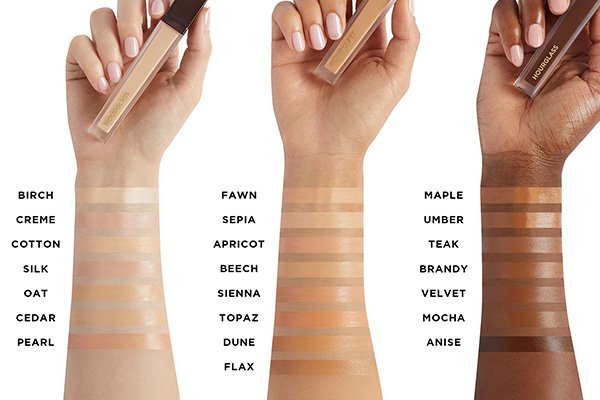
Finding the perfect concealer can feel like a never-ending quest. You want something that covers imperfections without looking heavy, lasts all day without creasing, and feels comfortable on your skin. This is where the magic of hourglass concealer comes into play. Known for its luxurious feel and impressive performance, this product has become a staple for makeup artists and beauty lovers alike. This guide will walk you through everything you need to know, from picking your perfect shade to mastering application techniques for a flawless finish every single time. We’ll explore why this concealer stands out, how to make it work for your specific skin type, and tips to ensure it looks just as fresh at the end of the day as it did when you first applied it. Get ready to unlock the secret to radiant, picture-perfect skin.
What Makes Hourglass Concealer So Special?
The buzz around hourglass concealer isn’t just hype; it’s built on a foundation of quality, innovation, and performance that sets it apart in a crowded market. At its core, the formula is designed to be a true multitasker. It offers significant coverage to hide everything from dark circles to blemishes, yet it has a surprisingly lightweight and creamy texture. This is achieved through advanced formulas that often include light-reflecting particles, which help to blur imperfections rather than just masking them. The result is a finish that looks like real skin, only better. Many users rave about its hydrating properties, which prevent it from settling into fine lines or emphasizing dry patches—a common issue with other full-coverage concealers. Furthermore, the brand is committed to clean beauty and is proudly cruelty-free, which adds another layer of appeal for conscious consumers.
A Fusion of Skincare and Makeup
One of the most significant advantages of using hourglass concealer is its formulation, which often blurs the line between makeup and skincare. These concealers are frequently enriched with beneficial ingredients that work to improve your skin while you wear them. You might find hyaluronic acid for a boost of hydration, which helps to plump the skin and smooth the appearance of fine lines. Other formulas may include antioxidants to protect the skin from environmental stressors. This skincare-infused approach means the product isn’t just sitting on top of your skin; it’s actively contributing to its health and appearance. This makes it an excellent choice for the delicate under-eye area, which is prone to dryness and is often the first place to show signs of aging. The creamy, blendable texture ensures it glides on smoothly without tugging at this sensitive skin.
Commitment to Clean and Cruelty-Free Beauty
In today’s market, what a brand stands for is just as important as the products it creates. Hourglass has built a strong reputation as a leader in luxury cruelty-free beauty. This means that none of their products, including the iconic hourglass concealer, are tested on animals at any stage of development or production. They are certified by PETA as part of their “Beauty Without Bunnies” program. Additionally, the brand is increasingly focused on vegan formulations, phasing out animal-derived ingredients like carmine or beeswax from their products. This commitment resonates deeply with a growing number of consumers who want to make ethical purchasing decisions without compromising on quality or performance. Choosing Hourglass means you are supporting a brand that prioritizes animal welfare and is transparent about its practices, allowing you to enjoy high-performance makeup with a clear conscience.
Choosing Your Perfect Hourglass Concealer Shade
Selecting the right shade is the most critical step to achieving a natural, flawless look. A shade that is too light can create an ashy or stark reverse-raccoon effect, while a shade that is too dark can defeat the purpose of concealing. The hourglass concealer range is quite extensive, which is fantastic for finding a precise match but can also feel a bit overwhelming. The key is to understand your skin’s undertone. Undertones are the subtle, underlying colors in your skin that do not change, even with sun exposure. They are typically categorized as cool (pink, red, or blue hues), warm (yellow, peachy, or golden hues), or neutral (a balance of both). Identifying your undertone will narrow down your options significantly and guide you to the shades that will blend most seamlessly with your complexion.
How to Identify Your Skin’s Undertone
Figuring out your undertone is simpler than it sounds. Here are a few reliable methods you can use to determine yours:
- The Vein Test: Look at the veins on the inside of your wrist. If they appear mostly blue or purple, you likely have cool undertones. If they look greenish, you have warm undertones. If you can’t tell for sure or see a mix of both, you probably have neutral undertones.
- The Jewelry Test: Think about which type of jewelry looks best against your skin. If silver and platinum are the most flattering, you’re likely cool-toned. If gold complements you better, you’re probably warm-toned. If you can wear both without a noticeable difference, you are likely neutral.
- The Sun Test: Consider how your skin reacts to sun exposure. If you tend to burn easily and turn pink or red, you probably have cool undertones. If you tan easily and turn golden brown, you likely have warm undertones.
Once you know your undertone, you can look for shade descriptions that match—for example, names that include “cool beige,” “golden sand,” or “neutral tan.”
Hourglass Concealer Shade Matching Table
To help you find your match, here is a general guide to the hourglass concealer shade system. Always test in person if possible, but this can be a great starting point. The shades are often organized by depth (Fair, Light, Medium, etc.) and undertone (C, W, N).
|
Skin Tone Depth |
Cool (C) Undertone Shades |
Warm (W) Undertone Shades |
Neutral (N) Undertone Shades |
|---|---|---|---|
|
Fair |
Birch, Crème |
Cotton, Oat |
Cedar |
|
Light |
Silk, Pearl |
Fawn, Sepia |
Apricot, Beech |
|
Medium |
Topaz, Dune |
Teak, Sienna |
Cedar, Maple |
|
Tan |
Flax, Amber |
Sable, Garnet |
Spruce |
|
Deep |
Brandy, Umber |
Pecan, Acorn |
Cacao |
Note: Shade names are illustrative and may vary. Always refer to the brand’s official shade chart for the most current and accurate information.
Application Techniques for a Flawless Finish
How you apply your hourglass concealer is just as important as the shade you choose. The right technique can make the difference between a cakey, obvious application and a seamless, second-skin finish. The first rule is that less is more. Thanks to its high-pigment formula, a few strategically placed dots are often all you need. Over-applying can lead to creasing and a heavy look, especially under the eyes. Start with a small amount and build up coverage only where necessary. Proper skin preparation is also crucial. Applying concealer to dry, dehydrated skin will only accentuate texture and fine lines. Ensure your skin, particularly the under-eye area, is well-moisturized before you begin. A good eye cream can create a smooth canvas, allowing the concealer to glide on and blend effortlessly.
Best Tools for Applying Hourglass Concealer
The tool you use can significantly impact the final result. Different tools offer different levels of coverage and finish.
- Fingers: The warmth from your fingertips helps to melt the product into the skin, creating a very natural, seamless finish. This is an excellent method for the under-eye area. Gently tap and press the concealer into the skin with your ring finger, which applies the least amount of pressure.
- Damp Makeup Sponge: For a sheer, airbrushed effect, a damp beauty sponge is your best friend. After applying dots of concealer, use the sponge to gently pounce and blend the product out. This technique sheers out the coverage slightly and is great for all-over application or blending large areas.
- Concealer Brush: A small, synthetic brush provides the most precise and full-coverage application. A flat, tapered brush is perfect for carving out eyebrows or covering small blemishes with pinpoint accuracy. A small, fluffy brush can be used to buff the concealer into the skin for a soft, diffused look.
Step-by-Step Application Guide
Follow this numbered list for a foolproof application of your hourglass concealer:
- Prep Your Skin: Start with a clean, moisturized face. Apply an eye cream and let it absorb for a few minutes. If you wear foundation, apply it before your concealer for a more natural look.
- Apply Sparingly: Using the doe-foot applicator, place 2-3 small dots of concealer on the inner corner of your under-eye area and one dot on the outer corner. This lifts the eye without applying too much product where you have fine lines. For blemishes, dot a tiny amount directly on top.
- Wait a Moment: Let the concealer sit on your skin for about 30-60 seconds. This allows the formula to thicken slightly, which builds its coverage so you end up using less product overall.
- Blend Gently: Using your chosen tool (finger, sponge, or brush), gently tap and blend the product into your skin. Avoid rubbing or dragging, as this can move the product around and cause streaking.
- Set if Necessary: If you have oily skin or are prone to creasing, set the concealer with a very light dusting of a fine, translucent setting powder. Use a small, fluffy brush and press the powder gently onto the concealed areas.
How to Make Your Concealer Last All Day
One of the top qualities of hourglass concealer is its long-wear formula, but a few extra steps can ensure it stays put from morning to night. Longevity is often about layering products correctly and setting them in place. A common mistake is to over-powder, which can lead to a dry, cakey appearance and may even cause the concealer to break down faster. The key is to use a minimal amount of a very finely milled powder. Another professional trick is to use a setting spray. After your makeup is complete, a light mist of setting spray can lock everything in place, increase wear time, and meld all your cream and powder products together for a more natural, skin-like finish. Also, be mindful of your skincare; using very oily or silicone-heavy creams under the concealer can sometimes cause it to slide around.
Tips to Prevent Creasing
Creasing is the number one enemy of a flawless under-eye. While the hydrating formula of hourglass concealer helps minimize this, your application method plays a huge role. First, ensure your under-eye area is hydrated but not greasy. Too much eye cream can cause the concealer to slip. Second, apply the product only where you have darkness, typically in the inner corner and along the orbital bone, avoiding the area with the most fine lines directly under your lower lash line. After blending, look up towards the ceiling to stretch the skin under your eyes, and then gently set with a very small amount of powder while still looking up. This helps set the concealer before it has a chance to settle into any creases.
Troubleshooting Common Concealer Issues
Even with a great product like hourglass concealer, issues can arise. If your concealer looks cakey, you’ve likely used too much product or too much powder. Try applying a bit of hydrating mist on a sponge and gently pressing it over the area to rehydrate and blend the product. If the concealer is emphasizing texture or dry patches, you need more skin prep. Try exfoliating gently a few times a week and always apply a hydrating primer before your makeup. If the shade looks off, you may need to re-evaluate your undertone or consider using a color corrector underneath. For example, a peach or orange corrector can cancel out blue or purple tones in dark circles before you apply your skin-toned concealer on top.
Hourglass Concealer for Different Skin Types
A truly great concealer should work well for a variety of skin types, and hourglass concealer generally fits the bill. However, you can optimize its performance by tailoring your prep and application to your skin’s specific needs. For example, someone with oily skin might benefit from a mattifying primer and a light dusting of setting powder, while someone with very dry skin should focus on hydrating serums and creams before application. Understanding your skin’s behavior is key to getting the most out of this versatile product. The balanced formula, which is neither too matte nor too dewy, makes it adaptable, but these small adjustments can elevate your results from good to exceptional.
For Oily and Combination Skin
If you have oily or combination skin, your main goal is to control shine and ensure the concealer doesn’t slide around or break down, especially in the T-zone. Start by applying a mattifying or pore-filling primer in the areas where you tend to get oily. When applying the hourglass concealer, use the “wait” technique mentioned earlier to build coverage without adding excess product. After blending, setting is non-negotiable. Use a translucent setting powder with a powder puff or a damp sponge to press the powder into the skin. This technique, known as “baking” when done more intensely, can significantly extend the wear time and keep your concealer looking fresh and matte for hours.
For Dry and Mature Skin
For those with dry or mature skin, the focus is on hydration and avoiding anything that might accentuate texture or fine lines. Skin prep is paramount. Start with a hydrating serum and a rich moisturizer or eye cream. You might even want to use a luminous or hydrating primer to create a smooth, plump canvas. When applying the hourglass concealer, avoid setting with powder if you can, as powder can often make dry skin look drier. If you must set to prevent creasing, use an extremely fine, almost imperceptible powder and apply it only where absolutely necessary with a small, fluffy brush. A hydrating setting spray can also be a game-changer, as it will lock the makeup in place while adding a final layer of moisture and glow.
Comparing Hourglass to Other Concealers
In the vast world of concealers, it helps to know how a product stacks up against its competition. The hourglass concealer is firmly positioned in the luxury category, often compared to other high-end, full-coverage options. Its main selling points are its unique combination of full coverage, a lightweight feel, and a natural, skin-like finish. Unlike some full-coverage concealers that can feel heavy or look drying, the Hourglass formula is known for its creamy, hydrating texture that moves with the skin. It provides a soft-focus, radiant finish rather than a flat matte one, which contributes to its blurring effect on imperfections.
Hourglass Concealer vs. Popular Alternatives
Here is a table comparing the general characteristics of Hourglass concealer with other popular types of concealers on the market.
|
Feature |
Hourglass Concealer |
Matte Full-Coverage Concealers |
Hydrating Serum Concealers |
|---|---|---|---|
|
Coverage Level |
Full, but buildable |
Very Full |
Light to Medium |
|
Finish |
Natural, Radiant |
Matte |
Dewy, Luminous |
|
Best for |
All skin types, especially normal to dry |
Oily skin, covering significant blemishes |
Dry or mature skin, light “no-makeup” looks |
|
Texture |
Creamy, lightweight |
Thicker, can be drying |
Thin, liquidy |
|
Creasing |
Minimal, especially with good technique |
Prone to creasing/caking without proper prep |
Less prone to creasing but may offer less wear |
|
Primary Benefit |
Blurs imperfections with a skin-like finish |
Maximum opacity and long wear |
Hydration and a sheer, radiant finish |
Maintenance and Hygiene for Your Concealer
Properly caring for your makeup products is essential for both performance and safety. Your hourglass concealer can last a long time, but it won’t perform its best if it’s not stored correctly or if the applicator becomes contaminated. Makeup has an expiration date, and using it past this point can lead to skin irritation or infections. The doe-foot applicator comes into direct contact with your skin, picking up oils and bacteria that are then reintroduced into the tube. This makes hygiene particularly important. To minimize contamination, avoid applying the wand directly to an open blemish. Instead, dab a small amount onto the back of a clean hand or a sanitized palette and then apply it with a brush or your finger. This simple step can help keep your product fresh and hygienic for longer.
Understanding Expiration and Cleaning
Every cosmetic product has a Period After Opening (PAO) symbol, which looks like a tiny open jar with a number followed by the letter “M” (e.g., 6M, 12M). This indicates how many months the product is safe to use after it has been opened. For liquid products like hourglass concealer, this is typically between 6 and 12 months. Make a note of when you open a new product to keep track. As for the applicator, while you can’t deep clean it, you can wipe it with a clean tissue before putting it back in the tube to remove excess product and surface oils. Store your concealer in a cool, dry place away from direct sunlight, as heat and light can degrade the formula and shorten its lifespan.
Finding Alternatives and Dupes
While hourglass concealer is a truly exceptional product, its luxury price point isn’t accessible to everyone. Fortunately, the beauty industry has evolved, and there are now many fantastic concealers at more affordable prices that offer similar benefits. When searching for a “dupe,” or a more affordable alternative, you should look for products that are marketed with similar key features. Look for terms like “hydrating,” “full coverage,” “radiant finish,” or “crease-proof.” Many drugstore and mid-range brands have developed sophisticated formulas that rival their high-end counterparts. You can often find detailed comparisons and reviews on beauty blogs or video platforms. Many enthusiasts and experts, like those at Versailles blog, provide excellent resources for finding makeup alternatives that fit any budget. Reading reviews that compare texture, coverage, and wear time can guide you to a product that gives you a similar effect without the luxury price tag.
Key Takeaways
- Hybrid Formula: Hourglass concealer combines full coverage with a lightweight, skin-like finish, often infused with skincare ingredients like hyaluronic acid.
- Shade Matching is Key: Identify your skin’s undertone (cool, warm, or neutral) to find your perfect shade and avoid an unnatural or ashy look.
- Application Matters: Apply sparingly, let the product sit for a minute to build coverage, and blend by gently tapping with your fingers, a sponge, or a brush.
- Prevent Creasing: Proper skin prep, strategic placement, and a light dusting of fine powder (if needed) are essential for a smooth, crease-free finish.
- Works for All Skin Types: While versatile, you can optimize performance by tailoring your routine—using mattifying primers for oily skin and hydrating preps for dry skin.
- Ethical Beauty: The brand is known for its commitment to being cruelty-free and offering many vegan formulas, appealing to conscious consumers.
Frequently Asked Questions (FAQs)
1. Is Hourglass concealer good for mature skin?
Yes, it is often recommended for mature skin due to its hydrating, creamy formula that resists settling into fine lines. Its radiant finish also helps create a youthful, lifted appearance.
2. Is Hourglass concealer non-comedogenic?
While many formulations are designed to be safe for acne-prone skin, it’s always best to check the specific product’s ingredient list if you have concerns about clogged pores. Most users do not report issues with breakouts.
3. Do I need to set Hourglass concealer with powder?
It depends on your skin type and desired finish. Oily skin types will likely benefit from setting with a light powder to increase longevity. Dry skin types may be able to skip powder to maintain a more radiant finish.
4. How much coverage does it provide?
It provides full, concentrated coverage. A very small amount is effective for covering dark circles, redness, and blemishes. You can easily sheer it out or build it up as needed.
5. Can I use Hourglass concealer as a foundation?
While it’s possible to sheer it out and apply it to larger areas of the face, it is a high-coverage, pigmented product. Using it as a foundation might feel heavy and would use up the product quickly. It’s best used for targeted concealing.
6. Is the Hourglass brand 100% vegan?
Hourglass is 100% cruelty-free. While they have a large and growing collection of vegan products and are committed to becoming fully vegan, not every single product in their historical catalog is vegan yet. Always check the product description.
7. How do I choose a shade for brightening my under-eyes?
For brightening, select a shade that is one to two shades lighter than your skin tone and has the correct undertone. For example, if you have dark circles with blue/purple hues, a shade with a peachy or warm undertone can help color correct and brighten.
8. What’s the best way to apply it over blemishes?
Dot a small amount of hourglass concealer directly onto the blemish with a precise brush. Let it sit for a minute, then gently tap the edges to blend it into the surrounding skin without disturbing the coverage on the blemish itself.
Conclusion: Your New Holy Grail
The journey to finding the perfect concealer can be long, but the hourglass concealer proves that high-performance, luxurious makeup is worth the search. With its unique ability to provide full coverage while feeling weightless and looking like real skin, it has rightfully earned its place as a holy grail product for many. By understanding your skin’s needs, choosing the right shade, and mastering a few key application techniques, you can achieve a radiant, flawless complexion that lasts all day. This concealer isn’t just about covering imperfections; it’s about enhancing your natural beauty with a product that feels as good as it looks.
Have you tried Hourglass concealer? Share your favorite tips or ask any questions in the comments below













Post Comment