Law and Order SVU: Inside the Elite Squad
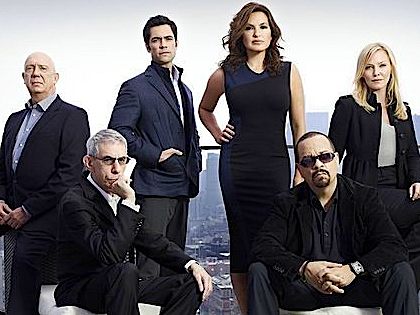
For over two decades, the distinctive “dun dun” sound has signaled the start of gripping stories of justice, empathy, and the pursuit of truth. Law and Order SVU has become more than just a television show; it’s a cultural institution. It has brought difficult conversations into living rooms across the nation, giving a voice to the voiceless and shining a light on the dedicated detectives who fight for them. This series follows the elite Special Victims Unit of the New York City Police Department as they investigate and prosecute sexually based offenses. From its unforgettable characters to its ripped-from-the-headlines stories, we’re taking a deep dive into what makes this show so enduring.
What is Law and Order SVU? An Overview
At its core, law and order svu is a crime procedural drama focusing on a specialized group of detectives in the 16th precinct of the NYPD. This unit, known as the Special Victims Unit, handles the most sensitive and challenging cases involving sexual assault, child abuse, and crimes against the elderly. The show’s premise is famously outlined in its opening narration: “In the criminal justice system, sexually based offenses are considered especially heinous. In New York City, the dedicated detectives who investigate these vicious felonies are members of an elite squad known as the Special Victims Unit. These are their stories.”
This powerful introduction sets the stage for a series that prioritizes the victims’ perspectives. Unlike many other crime dramas that focus solely on the “whodunit” aspect, Law and Order SVU dedicates significant time to exploring the emotional and psychological aftermath of the crimes. It follows the detectives’ painstaking work to gather evidence and support survivors through the difficult legal process. The show’s two-part structure—first the investigation (“Law”) and then the courtroom prosecution (“Order”)—provides a comprehensive look at the complexities of the justice system. It’s this blend of compelling police work and heartfelt human drama that has kept audiences captivated for years.
The History and Evolution of the Series
Premiering on September 20, 1999, Law and Order SVU was the first spin-off of the original Law & Order series. Created by visionary producer Dick Wolf, the show quickly distinguished itself with its focus on a specific, emotionally charged type of crime. From its early seasons, the series established a tone of empathy and urgency, grounding its often-shocking subject matter in the realistic portrayal of its dedicated characters. Over the years, the show has adapted to changes in society, technology, and the legal landscape, ensuring its stories remain relevant.
From Film to Digital: A Visual Journey
The look and feel of law and order svu have evolved significantly. Early seasons were shot on film, giving the show a gritty, classic New York texture that matched the tone of 1990s crime dramas. As technology advanced, the series transitioned to digital, resulting in a crisper, more modern visual style. This shift mirrored the changing nature of police work itself, with storylines beginning to incorporate digital evidence, social media, and cybercrimes. Despite these changes, the show has maintained its signature on-location shooting in New York City, which lends an unparalleled authenticity to every scene. The city isn’t just a backdrop; it’s a character in its own right, integral to the identity of the series.
Main Characters and Their Enduring Arcs
The heart of Law and Order SVU lies in its characters. Audiences have followed these detectives and lawyers through personal tragedies, professional triumphs, and countless challenging cases. Their development is a key reason for the show’s longevity.
Olivia Benson: From Detective to Captain
Captain Olivia Benson, masterfully played by Mariska Hargitay, is the undeniable soul of the series. Introduced as a junior detective, Benson’s journey has been one of extraordinary growth. Her own background as a child of rape gives her a unique and profound empathy for the victims she serves. Over 25+ seasons, viewers have watched her rise through the ranks from Detective to Sergeant, then Lieutenant, and finally to Captain of the Special Victims Unit. Her evolution is not just professional; she has also become a mother, a mentor, and a powerful advocate for survivors both on and off the screen. Benson represents the unwavering moral compass of law and order svu, a symbol of strength and compassion.
Elliot Stabler: The Passionate Partner
For the first 12 seasons, Detective Elliot Stabler (Christopher Meloni) was Benson’s hot-headed but deeply loyal partner. A former Marine and a father of five, Stabler often struggled to separate his personal feelings from his professional duties. His fierce, protective nature made him a formidable detective, but his temper sometimes led him to bend the rules. The dynamic between the compassionate Benson and the volatile Stabler created one of television’s most iconic partnerships. His abrupt departure at the end of Season 12 left a void, but his return in the spin-off Law & Order: Organized Crime has allowed for a new chapter in his relationship with Benson and the broader Law & Order universe.
The Squad Room: Other Key Figures
Beyond Benson and Stabler, the squad room has been home to a rotating cast of brilliant and memorable characters.
Fin Tutuola and John Munch
Detective Odafin “Fin” Tutuola (Ice-T) brought a different perspective when he joined in Season 2. His initial skepticism of the SVU’s methods and his street-smart approach often contrasted with the rest of the team, but he quickly became an indispensable member. His partnership with the cynical and conspiracy-loving Detective John Munch (Richard Belzer) provided both comic relief and sharp investigative insight.
From Warner to Rollins and Carisi
Dr. Melinda Warner (Tamara Tunie) was the steadfast medical examiner whose scientific expertise often provided the crucial piece of the puzzle. Later seasons introduced Detective Amanda Rollins (Kelli Giddish), a detective with a troubled past and a knack for getting suspects to talk, and Dominick “Sonny” Carisi Jr. (Peter Scanavino), who transitioned from a well-meaning detective to a sharp Assistant District Attorney.
Format, Structure, and Signature Style
Every episode of Law and Order SVU follows a familiar yet effective structure that has become a hallmark of the franchise. It begins with the discovery of a crime, often by ordinary citizens, before the detectives arrive on the scene. The first half of the episode is dedicated to the police investigation. This involves interviewing the victim, canvassing for witnesses, collecting evidence, and identifying a suspect. This “Law” portion is a meticulous process, highlighting the challenges detectives face.
The second half, or the “Order” portion, shifts the focus to the legal proceedings. An Assistant District Attorney from the Manhattan DA’s office takes over, building a case to bring to trial. This is where the show explores the nuances of the legal system, including plea bargains, jury selection, and courtroom battles. The tension between achieving justice for the victim and adhering to legal procedure is a central theme. The iconic “dun dun” sound effect acts as a powerful transition between scenes, adding to the show’s dramatic rhythm. This reliable format provides a satisfying narrative arc in each episode while allowing for deep dives into complex legal and ethical questions.
Major Themes Explored in Law and Order SVU
While it is a procedural drama, law and order svu is also a platform for exploring profound social themes. The series has never shied away from difficult topics, using its platform to educate and provoke thought.
Victim Advocacy and Believability
The show’s most prominent theme is victim advocacy. From the very first episode, Law and Order SVU has emphasized the importance of believing survivors. It meticulously portrays the courage it takes for a victim to come forward and the secondary trauma they can experience while navigating the justice system. The series often highlights the work of victim advocates and counselors, showing the holistic support needed for healing. Olivia Benson’s character, in particular, has become a symbol of this advocacy, with her famous line, “You have the right to remain silent. What you don’t have is the right to remain silent,” encapsulating the show’s mission to give victims a voice.
Justice vs. Procedure
Another recurring theme is the inherent conflict between the quest for pure justice and the rigid procedures of the law. Detectives often find themselves frustrated by legal loopholes, inadmissible evidence, or clever defense attorneys who prioritize winning over the truth. This tension explores whether the system truly serves justice or if it sometimes protects the guilty. The show asks tough questions: What happens when the right thing to do conflicts with the legal thing to do? This moral gray area provides much of the series’ dramatic weight and encourages viewers to consider the complexities of the legal world.
Trauma, Healing, and Cultural Impact
Law and Order SVU consistently explores the long-term effects of trauma. It doesn’t just focus on the crime itself but on the difficult, often lifelong journey of healing that follows. Storylines have tackled topics like PTSD, memory repression, and the psychological toll that investigating these cases takes on the detectives themselves. The show’s realistic and compassionate handling of these issues has had a tangible cultural impact. It has been credited with increasing public awareness of sexual assault issues and encouraging real-life survivors to report crimes. The “Benson effect” is a documented phenomenon where survivors feel more comfortable reporting their assaults due to the empathetic portrayal of police on the show. For more on how media shapes our understanding of complex topics, you can find related discussions at https://versaillesblog.com/.
Realism vs. Dramatization: How Accurate is It?
A common question is: how realistic is law and order svu? The show’s writers and producers go to great lengths to ensure a high degree of accuracy. They consult with real NYPD detectives, lawyers, and medical experts to make the investigations and legal proceedings as authentic as possible. Many of the storylines are famously “ripped from the headlines,” inspired by real-life cases that have captured public attention. This gives the show a sense of immediacy and relevance.
However, it is important to remember that it is still a television drama. For the sake of storytelling, timelines are often compressed. A complex investigation and trial that might take years in real life is resolved within a 42-minute episode. Detectives in the show are often seen conducting interrogations and making arrests that would involve more personnel and procedural steps in reality. Furthermore, the conviction rate on Law and Order SVU is significantly higher than in the real world, providing a more satisfying, albeit less realistic, sense of closure for the television audience. The show strikes a careful balance, using a foundation of realism to tell compelling, dramatic stories.
A Guide to Watching: Streaming and Getting Started
With over 500 episodes, jumping into Law and Order SVU can seem daunting for a new viewer. Fortunately, its episodic nature makes it easy to start almost anywhere.
Where to Watch and Stream
- Live TV and Reruns: New episodes of law and order svu typically air on NBC. Reruns are a staple of cable television, with networks like USA Network and ION Television frequently hosting marathons.
- Streaming Services: The entire series is available for streaming, making it perfect for binge-watching. Major platforms like Hulu and Peacock are the primary streaming homes for the show. You can start from the very beginning or jump to a specific season.
How to Start Watching as a New Viewer
There are several great entry points for new viewers:
- Start from Season 1: To see the origin of the Benson-Stabler partnership and the show’s gritty beginnings.
- Jump to a Key Season: Seasons 9-12 are often considered a “golden age” with a strong core cast and compelling storylines.
- Begin with the “New” Era: Starting with Season 13 marks the beginning of the post-Stabler era, where Olivia Benson truly comes into her own as the squad’s leader.
Because each episode is largely self-contained, you can enjoy the show without knowing every detail of the overarching character arcs.
Fan Community and Lasting Legacy
The legacy of Law and Order SVU extends far beyond television ratings. The show has cultivated a massive and dedicated fan community that actively discusses episodes, characters, and social issues on forums, social media, and at fan conventions. This community has been instrumental in the show’s continued success, demonstrating a powerful connection to its themes and characters.
The series’ impact is also felt in the real world. Mariska Hargitay was so moved by the letters she received from survivors that she founded the Joyful Heart Foundation, a non-profit organization dedicated to supporting survivors of sexual assault, domestic violence, and child abuse. This is a powerful example of art inspiring real-world action. Law and Order SVU is not just entertainment; it is a catalyst for conversation, a source of comfort for many, and a testament to the power of storytelling.
Character Eras at a Glance
|
Era |
Key Characters |
Defining Characteristics |
|---|---|---|
|
The Classic Partnership (Seasons 1-12) |
Benson, Stabler, Munch, Fin, Cragen |
The iconic Benson/Stabler dynamic. Gritty, film-shot aesthetic in early seasons. Establishes the show’s core themes. |
|
The Squad in Transition (Seasons 13-16) |
Benson, Rollins, Amaro, Fin, Munch |
Benson steps up as a leader after Stabler’s departure. New detectives join the team, shifting the squad’s dynamic. |
|
The Modern Era (Seasons 17-Present) |
Benson, Carisi, Rollins, Fin, Stone, Barba |
Benson is promoted to Lieutenant, then Captain. Carisi transitions from detective to ADA. Focus on modern crimes and social justice issues. |
Key Takeaways
- Law and Order SVU is a long-running crime procedural focused on the NYPD’s Special Victims Unit, which handles sexually based offenses.
- The show is known for its empathetic focus on victims and its exploration of the complex legal and emotional aftermath of crime.
- Key characters like Olivia Benson and Elliot Stabler have become television icons, with Benson’s journey from detective to captain forming the series’ central arc.
- The series blends realism, inspired by real-life cases and expert consultations, with dramatic storytelling for a compelling viewing experience.
- Its cultural impact includes raising awareness for survivor issues, leading to the creation of the Joyful Heart Foundation by star Mariska Hargitay.
Frequently Asked Questions (FAQ)
1. How many seasons of Law and Order SVU are there?
As of late 2025, the series has aired over 25 seasons, making it the longest-running primetime live-action series in U.S. television history.
2. Why did Christopher Meloni (Elliot Stabler) leave the show?
Christopher Meloni left Law and Order SVU after Season 12 due to a breakdown in contract negotiations. He has since returned to the character in his own spin-off, Law & Order: Organized Crime.
3. What does “SVU” stand for?
SVU stands for Special Victims Unit, the real-life division in some police departments that handles sensitive crimes like sexual assault and child abuse.
4. Can I watch episodes out of order?
Yes. While there are long-term character arcs, most episodes are self-contained stories, making it easy to jump in at any point.
5. Is the show based on real cases?
Many episodes are “ripped from the headlines,” meaning they are inspired by real-life criminal cases, though names, details, and outcomes are changed for dramatic purposes.
6. Who is the main character of the show now?
Captain Olivia Benson (played by Mariska Hargitay) is the central character and commanding officer of the Special Victims Unit.
7. Where is Law and Order SVU filmed?
The series is filmed on location in and around New York City, which gives it a distinct and authentic feel.
8. What is the “dun dun” sound?
The “dun dun” sound (officially called “The Clang”) is a famous sound effect used in the Law & Order franchise to transition between scenes. It was created by composer Mike Post and is meant to sound like a jail cell door slamming.
Conclusion
For more than a quarter of a century, Law and Order SVU has been a constant on our screens, evolving with the times while staying true to its core mission: to tell the stories of survivors with dignity and compassion. It has masterfully blended gripping crime drama with a deep exploration of the human condition, creating characters that feel like family and stories that resonate long after the credits roll. Whether you’re a lifelong fan or a newcomer curious about the phenomenon, the world of the Special Victims Unit offers a powerful look at the tireless pursuit of justice. Its legacy is cemented not only in television history but in the cultural conversations it has started and the real-world change it has inspired.












Post Comment