Lifestyle Shoes: Your Guide to Comfort and Style

Finding the perfect pair of shoes can feel like a quest. You want something that looks good, feels great, and can keep up with your busy life. Enter lifestyle shoes. These aren’t your high-performance athletic sneakers or your formal dress shoes. Instead, they occupy that wonderful middle ground, offering a blend of everyday comfort and versatile style. Whether you’re running errands, meeting friends for coffee, or enjoying a casual day at the office, the right pair of lifestyle shoes can complete your look while keeping your feet happy from morning to night.
In this comprehensive guide, we’ll dive deep into the world of lifestyle shoes. We will explore what makes them different from other types of footwear, how to choose the perfect pair for your needs, and why they have become an essential part of the modern wardrobe. Get ready to step up your shoe game with footwear that truly fits your life.
Key Takeaways
- Definition: Lifestyle shoes are designed for casual, everyday wear, prioritizing both comfort and style over specialized athletic performance.
- Versatility is Key: They are the go-to choice for a wide range of activities, from walking around the city to casual social gatherings.
- Comfort and Materials: Look for features like cushioned midsoles, breathable uppers made from materials like canvas, leather, or mesh, and durable outsoles.
- Finding Your Style: From minimalist designs to bold retro-inspired looks, there is a pair of lifestyle shoes to match every personal aesthetic.
- Proper Care is Essential: Cleaning your shoes regularly and storing them correctly will extend their life and keep them looking their best.
What Exactly Are Lifestyle Shoes?
When you hear the term “lifestyle shoes,” it’s easy to get them confused with running shoes or other athletic footwear. However, there’s a distinct difference. While many lifestyle models are inspired by classic sports silhouettes, their primary purpose isn’t athletic performance. Instead, they are engineered for the “sport” of daily life. Think of them as your reliable, all-around footwear for non-strenuous activities.
You wouldn’t run a marathon in them, but you could comfortably walk several miles exploring a new city. This category of footwear bridges the gap between purely functional athletic gear and more formal shoe options, offering a stylish solution for everyday comfort. The focus is on aesthetics, all-day wearability, and versatility, making them a staple for anyone who values both fashion and function in their wardrobe.
The Evolution from Sport to Street
The history of lifestyle shoes is deeply intertwined with sports culture. Many of the most iconic models today began their lives as performance footwear for basketball, tennis, or running. Think about classic court shoes from the ’70s or chunky running sneakers from the ’90s. As athletic technology advanced, these older models were retired from professional sports. However, their timeless designs and comfortable builds found a new home on the streets.
Skaters, artists, musicians, and fashion-forward individuals adopted these sneakers, not for their athletic prowess, but for their cultural significance and stylish appeal. This transition from the court and track to the concrete sidewalk is what cemented the category of lifestyle shoes as a dominant force in modern fashion, blending heritage with contemporary trends.
Distinguishing Lifestyle Shoes from Performance Sneakers
It’s crucial to understand the functional differences between lifestyle shoes and performance sneakers. A running shoe, for example, is packed with specialized technology designed to support your foot during high-impact activity. It might have advanced cushioning systems to absorb shock, specific stability features to control foot motion, and an outsole engineered for optimal grip on pavement.
A lifestyle shoe, while comfortable, generally has a simpler construction. The cushioning is geared towards walking and standing, not repetitive impact. The materials often prioritize style and breathability for casual wear over the lightweight durability needed for intense exercise. Choosing the wrong type of shoe for an activity can lead to discomfort or even injury, so it’s important to reserve your performance sneakers for workouts and rely on your stylish lifestyle shoes for everything else.
Key Features to Look for in Quality Lifestyle Shoes
When you’re on the hunt for your next favorite pair of lifestyle shoes, knowing what to look for can make all the difference. Not all casual sneakers are created equal. The best pairs combine thoughtful design, quality materials, and construction that ensures they’ll last. Paying attention to a few key features will help you invest in footwear that not only looks great but also provides the support and comfort your feet deserve for daily wear. From the part that touches the ground to the material that wraps your foot, every component plays a role in the overall experience. Let’s break down the most important elements to consider.
The Importance of the Midsole
The midsole is the heart of a shoe’s comfort system. It’s the layer of material sandwiched between the insole (where your foot rests) and the outsole (what touches the ground). In lifestyle shoes, the midsole is responsible for providing cushioning and shock absorption as you walk. Common materials include EVA (ethylene vinyl acetate), a lightweight and flexible foam, or polyurethane (PU), which is slightly heavier but more durable and resilient. A well-designed midsole will provide a balanced feel—soft enough to be comfortable but firm enough to offer support. When trying on a pair, pay attention to how your arch feels and whether there’s enough cushioning under the ball of your foot and heel for all-day wear.
Upper Materials: From Canvas to Leather
The upper is everything above the sole, and the material it’s made from significantly impacts the shoe’s look, feel, and durability. Here are some common options for lifestyle shoes:
- Canvas: A classic choice, canvas is lightweight, breathable, and affordable. It’s perfect for warm weather and offers a relaxed, casual vibe.
- Leather: Both genuine and synthetic leather provide a more premium look. Leather is durable, easy to clean, and can conform to the shape of your foot over time.
- Suede: A type of leather with a napped, fuzzy finish, suede offers a soft, luxurious texture. It requires more care than smooth leather as it’s more susceptible to water and stains.
- Knit/Mesh: Modern lifestyle shoes often feature engineered knit or mesh uppers. These materials are incredibly breathable, flexible, and lightweight, offering a sock-like fit that is extremely comfortable.
The right material for you depends on your style preferences, the climate you live in, and how you plan to wear your shoes.
Outsole Durability and Traction
The outsole is the bottom-most layer of the shoe that makes direct contact with the ground. For lifestyle shoes, the outsole needs to be durable enough to withstand daily walking on various surfaces like pavement, tile, and grass. Rubber is the most common material used for outsoles because it offers an excellent combination of durability and grip. The pattern on the outsole, known as the tread, also plays a crucial role in traction. While you don’t need the aggressive lugs of a trail running shoe, a good tread pattern with grooves and varied textures will provide reliable grip in both wet and dry conditions, preventing slips and ensuring a confident stride wherever your day takes you.
How to Find Your Perfect Style
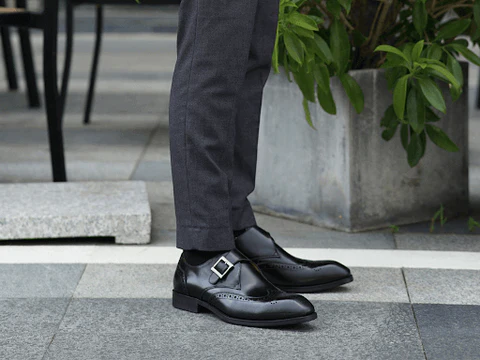
With an endless sea of options available, finding the pair of lifestyle shoes that truly represents your personal style can be exciting. Your shoes are an expression of your personality, whether you prefer something understated and classic or bold and eye-catching. The key is to consider your existing wardrobe and the occasions you’ll be wearing them for. Do you need a versatile shoe that can be dressed up or down, or are you looking for a statement piece to build an outfit around? Thinking about these factors will help you narrow down the choices and select a style that you’ll love and wear for years to come.
The Minimalist: Clean and Simple
For those who appreciate a “less is more” approach to fashion, minimalist lifestyle shoes are the perfect choice. These shoes are characterized by clean lines, simple silhouettes, and a neutral color palette, often in white, black, gray, or navy. They lack flashy logos or overly complicated designs, making them incredibly versatile. A classic white leather or canvas sneaker, for example, can be paired with almost anything in your closet, from jeans and a t-shirt to chinos and a blazer. Their understated elegance allows them to complement an outfit without overpowering it. This style is timeless, sophisticated, and effortlessly cool, making it a foundational element of any well-curated wardrobe.
The Retro Enthusiast: Vintage-Inspired Designs
Fashion is cyclical, and the world of lifestyle shoes is no exception. Retro-inspired sneakers are more popular than ever, drawing on iconic designs from the 1970s, ’80s, and ’90s. These shoes often feature classic color-blocking, suede and nylon uppers, and vintage branding. The “dad shoe” trend, with its chunky midsoles and layered uppers, is a perfect example of this revival. These styles tap into a sense of nostalgia while remaining firmly planted in contemporary fashion. They add a unique, playful character to any outfit and are perfect for those who love to make a statement with their footwear. Wearing a pair of retro lifestyle shoes is like wearing a piece of history, updated for the modern day.
The Trendsetter: Bold and Contemporary
If you love staying ahead of the curve and turning heads, then bold and contemporary lifestyle shoes are for you. This category is all about pushing boundaries with innovative designs, unconventional materials, and vibrant colorways. You might find shoes with exaggerated, sculptural soles, unique lacing systems, or uppers made from transparent materials. These are the shoes you see on fashion runways and in street-style blogs. While they may not be as timeless as a minimalist sneaker, they are perfect for expressing a strong fashion-forward identity. Pairing these statement shoes with a simpler outfit allows them to be the star of the show, instantly elevating your look and showcasing your confident sense of style.
Styling Your Lifestyle Shoes for Any Occasion
One of the greatest strengths of lifestyle shoes is their incredible versatility. The right pair can seamlessly transition from a casual work environment to a weekend outing with friends. The secret lies in knowing how to pair them with different pieces in your wardrobe to create a cohesive and appropriate look for any setting. Forget the old rule that sneakers are only for the gym or lazy days at home. With a bit of styling know-how, your favorite lifestyle shoes can become one of the hardest-working items in your closet. They offer a comfortable foundation upon which you can build countless stylish outfits.
Casual Friday and Beyond: Smart-Casual Looks
For a smart-casual dress code, like a relaxed office environment or a nice dinner out, pairing lifestyle shoes with more polished pieces is key. Opt for a clean, minimalist sneaker in a premium material like leather or suede. White, black, or brown are safe and sophisticated choices. Pair them with well-fitting chinos or dark-wash denim. On top, a button-down shirt, a polo, or even a casual blazer will elevate the look. The contrast between the relaxed footwear and the smarter apparel creates a look that is modern, comfortable, and effortlessly stylish. This approach shows that you value both comfort and presentation, striking the perfect balance for today’s flexible dress codes.
Weekend Vibes: Effortless and Comfortable
When the weekend arrives, comfort is king, but that doesn’t mean you have to sacrifice style. This is where your lifestyle shoes truly shine. Pair them with your favorite jeans, joggers, or shorts for an easygoing look. A simple t-shirt, hoodie, or casual sweater completes the ensemble. This is also the perfect opportunity to play with more expressive styles.
Whether you prefer a classic canvas high-top or a colorful retro runner, the weekend is your time to let your personal style take center stage. The goal is an outfit that feels as good as it looks, allowing you to go from brunch to a walk in the park without a second thought. For more style inspiration, you can find great articles on platforms like the Versailles blog that cover a wide range of fashion topics.
A Comparison of Popular Lifestyle Shoe Styles
|
Style Category |
Key Characteristics |
Best For |
Typical Materials |
|---|---|---|---|
|
Minimalist Sneakers |
Clean lines, neutral colors, simple silhouette. |
Everyday wear, smart-casual outfits. |
Leather, Canvas |
|
Retro Runners |
Inspired by ’70s-’90s running shoes, often colorful. |
Casual wear, making a style statement. |
Suede, Nylon, Mesh |
|
Court Classics |
Low-profile, simple design, rubber sole. |
Versatile, pairs with jeans or chinos. |
Leather, Canvas |
|
High-Tops |
Covers the ankle, provides a distinct look. |
Streetwear styles, adding edge to an outfit. |
Canvas, Leather |
|
Chunky/”Dad” Shoes |
Exaggerated sole, layered upper. |
Trend-focused outfits, maximum comfort. |
Leather, Mesh, Synthetics |
Maintaining and Caring for Your Shoes
Investing in a quality pair of lifestyle shoes is only the first step. To ensure they stay looking great and last as long as possible, proper care and maintenance are essential. Dirt, moisture, and improper storage are the biggest enemies of your footwear. A little bit of regular attention can make a huge difference, preserving the materials and structure of your shoes. This not only protects your financial investment but also keeps your favorite pair ready for any occasion. Different materials require different care methods, so knowing how to treat your specific pair is crucial for long-term satisfaction.
Cleaning Techniques for Different Materials
How you clean your lifestyle shoes depends entirely on what they are made of. For canvas shoes, you can typically use a mild soap and water solution with a soft brush. For stubborn stains, a paste of baking soda and water can be effective. Leather shoes should be wiped down with a damp cloth, and a leather cleaner and conditioner should be used periodically to keep the material from drying out and cracking
Suede is particularly delicate and should never be cleaned with water. Use a specialized suede brush and eraser to remove dirt and scuffs. For knit or mesh uppers, a gentle hand wash with a mild detergent is usually the best approach. Always remember to air dry your shoes away from direct heat or sunlight.
The Importance of Proper Storage
How you store your shoes when you’re not wearing them can have a major impact on their longevity. Tossing them into a pile in the bottom of your closet is a sure way to cause scuffs, damage, and loss of shape. The best way to store your lifestyle shoes is in a cool, dry place with good air circulation. Using shoe trees is highly recommended, especially for leather shoes.
Shoe trees help maintain the shoe’s shape, prevent creasing, and absorb moisture and odors. If you don’t have shoe trees, stuffing them with paper can also help. Keeping them on a shoe rack or in their original boxes will protect them from dust and prevent them from being crushed by other items.
Frequently Asked Questions (FAQ)
Q1: Can I use lifestyle shoes for working out?
It is generally not recommended. Lifestyle shoes are designed for casual wear and lack the specific support, cushioning, and stability features of performance athletic shoes. Using them for running or intense workouts can lead to discomfort and increase your risk of injury. It’s best to use dedicated shoes for specific sports.
Q2: How often should I replace my lifestyle shoes?
The lifespan of your lifestyle shoes depends on how often you wear them and the quality of their construction. A good rule of thumb is to inspect them regularly. Look for signs of significant wear on the outsole, such as the tread being worn smooth. If the midsole feels compressed and no longer provides adequate cushioning, or if the upper has developed rips or holes, it’s probably time for a new pair.
Q3: Are expensive lifestyle shoes always better?
Not necessarily. While a higher price tag can often indicate higher quality materials and better construction, it can also be a reflection of brand name and marketing. The best shoe for you is one that fits well, feels comfortable, and suits your style. It’s possible to find excellent, durable lifestyle shoes at various price points. Focus on the features, materials, and fit rather than just the price.
Q4: How do I find the right size and fit?
The best way to ensure a proper fit is to try shoes on in the late afternoon or evening, as your feet naturally swell throughout the day. Wear the type of socks you would typically pair with the shoes. There should be about a half-inch of space between your longest toe and the end of the shoe. Your heel should not slip excessively when you walk, and the shoe should feel snug but not tight across the width of your foot.
Q5: What is the difference between men’s and women’s lifestyle shoes?
Anatomically, men’s shoes are typically designed with a wider base, while women’s shoes are narrower, particularly in the heel. However, many lifestyle shoes have a unisex design and sizing. The most important factor is finding a shoe that fits your individual foot shape comfortably, regardless of whether it’s labeled as men’s or women’s.
Conclusion: Step Into Your Style
Lifestyle shoes have firmly established their place as an indispensable part of modern footwear. They represent the perfect fusion of form and function, providing the all-day comfort we crave without forcing us to compromise on style. From the minimalist who prefers a clean, classic look to the trendsetter who embraces bold designs, there is a pair of lifestyle shoes out there for everyone.
By understanding what to look for—quality materials, supportive construction, and a style that reflects your personality—you can confidently choose footwear that will carry you through your daily adventures. Remember to care for your shoes properly to extend their life and keep them looking their best. It’s time to move beyond the idea that comfort and style are mutually exclusive. Embrace the versatility and appeal of lifestyle shoes and step into a world where your feet feel as good as you look.














Post Comment