What is Creme de Cacao? Your Ultimate Guide
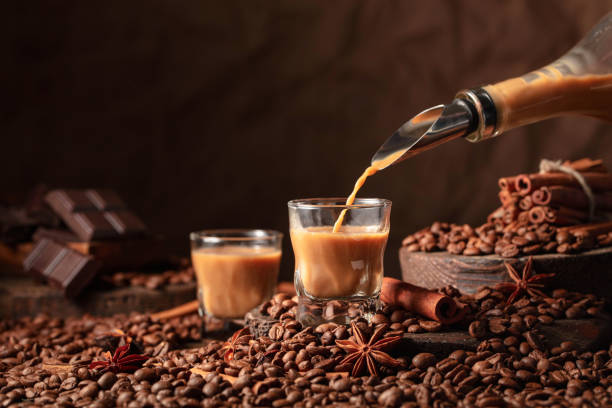
Welcome to the wonderful world of chocolate liqueurs! If you’ve ever enjoyed a classic cocktail like a Brandy Alexander or a Grasshopper, you’ve already met our star ingredient. We’re talking about creme de cacao, a sweet, chocolate-flavored liqueur that has been a staple in bars and home cabinets for over a century. But what exactly is it? How is it made? And what’s the difference between the dark and white varieties?
This guide will answer all your questions. We’ll explore the history of this delightful spirit, learn how to distinguish between its types, and discover delicious ways to use it. Whether you’re a budding home bartender or just curious about this versatile liqueur, you’re in the right place. Let’s dive into everything you need to know about creme de cacao.
Key Takeaways
- Creme de Cacao Explained: It’s a sweet liqueur flavored with cacao beans, the same beans used to make chocolate. It comes in two main varieties: white (clear) and dark (brown).
- Two Main Types: White creme de cacao is clear and has a more subtle chocolate flavor, making it ideal for drinks where color matters. Dark creme de cacao is brown, often colored with caramel, and has a richer, more intense chocolate taste.
- Production Process: It’s typically made by either percolating cacao nibs in a neutral spirit or distilling them, which results in a clear liquid.
- Versatile Ingredient: Creme de cacao is essential for many classic cocktails, including the Brandy Alexander and the Grasshopper, but it’s also fantastic in desserts and coffee.
- Not Creamy: Despite the name “creme,” it contains no dairy. The term “crème” in French liqueurs refers to a higher sugar content, not a creamy texture.
The Origins of Creme de Cacao
The story of creme de cacao is deeply connected to the European discovery of the cacao bean. When Spanish explorers brought cacao back from the Americas in the 16th century, it quickly became a sensation among European nobility. Initially consumed as a bitter, spiced drink, it wasn’t long before resourceful monks and distillers began experimenting. They started adding sugar and infusing it into alcohol, laying the groundwork for the sweet liqueurs we know today.
The first modern versions of creme de cacao appeared in France during the 19th century. French distillers perfected the art of extracting flavor from cacao beans and balancing it with sweetness. The term “crème” was used to signify a premium liqueur with a high sugar concentration, a standard set by French law. This new chocolate liqueur quickly gained popularity across Europe and America, becoming a key ingredient for the burgeoning cocktail culture of the early 20th century. Its smooth, rich flavor made it a perfect addition to dessert-style drinks, securing its place behind bars worldwide.
Decoding the Name: What Does “Creme” Mean?
One of the most common points of confusion surrounding creme de cacao is the word “creme.” Does it contain dairy? The answer is a simple no. In the world of liqueurs, especially those of French origin, “crème” refers to the amount of sugar in the bottle, not the presence of cream. According to European Union regulations, a liqueur labeled as “crème de…” must have a minimum sugar content of 250 grams per liter.
This high sugar level gives the liqueur a thicker, more syrupy consistency compared to standard liqueurs, which contributes to a rich mouthfeel. This naming convention applies to other popular liqueurs as well, such as crème de menthe (mint), crème de cassis (blackcurrant), and crème de violette (violet). So, when you see “creme” on a liqueur bottle, you can expect a sweeter, more intense flavor profile perfect for mixing into cocktails or drizzling over desserts. For more interesting facts about classic ingredients, you can explore resources like those found at https://versaillesblog.com/.
The Two Faces of Creme de Cacao: White vs. Dark
When you go to buy a bottle of creme de cacao, you’ll likely see two options: white and dark. While they both deliver a chocolate flavor, they have distinct differences in production, appearance, and taste that make them suitable for different applications.
White Creme de Cacao
Contrary to its name, white creme de cacao is actually clear. It gets its flavor from the distillation of cacao beans. In this process, cacao beans or nibs are steeped in a neutral spirit, and then the mixture is distilled. The distillation process captures the aromatic compounds and essence of the chocolate, but the color is left behind. This results in a crystal-clear liquid with a clean, delicate chocolate flavor.
Why Choose White Creme de Cacao?
- Color Preservation: It’s the perfect choice for cocktails where you want a pure chocolate flavor without altering the drink’s color. Think of a 20th Century cocktail or a vibrant green Grasshopper.
- Subtle Flavor: It has a lighter, more floral, and often vanilla-forward chocolate profile, which can be less overpowering than its dark counterpart.
Dark Creme de Cacao
Dark creme de cacao gets its deep brown color and richer flavor from a different process. It’s typically made through percolation or infusion, where cacao nibs are steeped in alcohol for an extended period. This method extracts more of the deep, roasted flavors and color from the beans. Often, caramel coloring and a touch of vanilla are added to enhance the color and deepen the flavor profile, giving it a taste closer to dark chocolate.
Why Choose Dark Creme de Cacao?
- Rich Flavor: It provides a bold, decadent chocolate flavor that stands up well in cocktails. It’s the star of the show in a Brandy Alexander.
- Visual Appeal: The dark color adds a beautiful, rich hue to drinks, making them look as indulgent as they taste.
|
Feature |
White Creme de Cacao |
Dark Creme de Cacao |
|---|---|---|
|
Color |
Clear |
Dark Brown |
|
Flavor Profile |
Subtle, delicate chocolate, vanilla notes |
Rich, intense chocolate, roasted notes |
|
Production |
Distillation of cacao-infused spirit |
Infusion/Percolation of cacao beans |
|
Best For |
Cocktails where color needs to be maintained |
Cocktails needing a deep chocolate flavor and color |
|
Example Cocktail |
Grasshopper, 20th Century |
Brandy Alexander, Commodore |
How is Creme de Cacao Made?
The production of creme de cacao is a fascinating process that transforms raw cacao beans into a sweet, aromatic liqueur. While methods vary between distilleries, the fundamental steps are similar. It all starts with high-quality cacao beans, the same ones used to make the world’s finest chocolates.
The first step is processing the beans. They are fermented, dried, and roasted to develop their complex flavor profile. After roasting, the beans are cracked open, and the outer shells are removed, leaving behind the pieces known as cacao nibs. These nibs are the heart of the liqueur’s flavor.
From here, distillers choose one of two primary methods:
- Distillation (For White Creme de Cacao): Cacao nibs are macerated (soaked) in a neutral base spirit, like vodka or a grain alcohol. This infusion is then placed into a still and gently heated. As the alcohol evaporates, it carries the aromatic oils and flavor compounds from the cacao with it. The vapor is then cooled and condensed back into a liquid. The resulting spirit, called an eau-de-vie, is clear but intensely fragrant. Finally, it’s sweetened with sugar syrup and diluted with water to reach the desired alcohol content and sweetness.
- Infusion or Percolation (For Dark Creme de Cacao): In this method, cacao nibs are steeped directly in the base spirit for several weeks or even months. The alcohol slowly extracts the flavor, color, and oils from the nibs. Sometimes, a process called percolation is used, where the spirit is dripped through a bed of crushed cacao nibs, much like making coffee. After the infusion is complete, the liquid is filtered, sweetened, and sometimes aged. Caramel coloring is often added to achieve the signature dark brown hue.
Classic Cocktails Featuring Creme de Cacao
Creme de cacao is a cornerstone of many beloved classic cocktails, particularly those of the creamy, dessert-like variety. Its ability to impart a smooth chocolate flavor without being overpowering makes it an invaluable tool for any bartender.
Brandy Alexander
Perhaps the most famous cocktail made with creme de cacao, the Brandy Alexander is the epitome of a sophisticated dessert drink. It’s a simple, elegant mix of brandy, dark creme de cacao, and heavy cream, shaken and served in a coupe glass with a sprinkle of nutmeg on top. The dark creme de cacao provides a rich chocolate base that pairs beautifully with the fruity notes of the brandy, while the cream gives it a luxurious, velvety texture. It’s a timeless classic that has been enjoyed for over a century.
Grasshopper
The Grasshopper is a fun, mint-chocolate cocktail that gets its signature green color from creme de menthe. The recipe calls for equal parts creme de menthe, white creme de cacao, and heavy cream. Using the white variety is crucial here, as it allows the green from the creme de menthe to shine through. Shaken with ice and strained into a chilled glass, it tastes just like a liquid after-dinner mint. It’s a playful and refreshing drink that’s perfect after a heavy meal.
20th Century
A lesser-known but equally delicious classic, the 20th Century is a sophisticated gin-based cocktail. It combines gin, Lillet Blanc (an aromatic wine), fresh lemon juice, and white creme de cacao. The chocolate liqueur plays a supporting role here, adding just a whisper of sweetness and complexity that balances the botanicals of the gin and the tartness of the lemon. It’s a beautifully balanced and elegant drink that showcases the more subtle side of creme de cacao.
Beyond the Cocktail Shaker: Other Uses for Creme de Cacao
While it shines in cocktails, the usefulness of creme de cacao extends far beyond the bar. Its sweet chocolate flavor makes it a fantastic addition to the kitchen, especially for desserts and beverages. Think of it as a grown-up version of chocolate syrup.
Here are a few creative ways to use it:
- Enhance Your Coffee: Add a splash of dark creme de cacao to your morning coffee or evening espresso for an instant mocha-like treat. It dissolves easily and adds both sweetness and a rich chocolate flavor.
- Drizzle Over Desserts: Pour a small amount over a bowl of vanilla ice cream, a slice of cheesecake, or a simple pound cake. It adds a touch of elegance and a boozy chocolate kick.
- In Baking Recipes: You can incorporate creme de cacao into your baking. Try adding a tablespoon or two to brownie batter, chocolate cake mix, or the filling for a chocolate cream pie. It deepens the chocolate flavor and adds moisture.
- Make Adult Milkshakes: Blend it with ice cream, milk, and maybe even some chocolate sauce for a decadent boozy milkshake. It’s a perfect treat for a warm evening.
How to Choose a Good Bottle of Creme de Cacao
With several brands on the market, choosing the right bottle of creme de cacao can seem daunting. However, keeping a few things in mind can help you select a quality product that will elevate your drinks and desserts. Price can be an indicator, but it’s not the only factor.
Look for brands that are transparent about their production process. Brands that use real cacao beans rather than artificial flavorings will always yield a superior product. Some well-regarded brands include Tempus Fugit, Giffard, and Marie Brizard. Tempus Fugit, for example, is known for recreating historical recipes with high-quality ingredients, resulting in a liqueur with incredible depth and complexity.
Don’t be afraid to try different brands to find your favorite. Some may have a more pronounced vanilla note, while others might be more intensely chocolatey. Having both a white and a dark creme de cacao in your collection is a great idea, as it opens up a much wider range of cocktail possibilities. Ultimately, the best bottle is the one that tastes best to you.
Conclusion
From its origins as an experiment by European monks to its essential role in modern mixology, creme de cacao has proven to be a timeless and versatile liqueur. It’s much more than just a sweet additive; it’s a complex spirit that captures the very essence of the cacao bean. Understanding the difference between the white and dark varieties unlocks its full potential, allowing you to craft cocktails that are perfectly balanced in both flavor and appearance.
Whether you’re shaking up a classic Brandy Alexander, inventing your own chocolate-infused creation, or simply drizzling it over ice cream, creme de cacao offers a touch of affordable luxury. Its rich history and delicious flavor have secured its place in bars and kitchens around the world. So next time you’re looking to add a little sweetness and sophistication to your evening, consider reaching for a bottle of this delightful chocolate liqueur.
Frequently Asked Questions (FAQ)
1. Is creme de cacao alcoholic?
Yes, creme de cacao is an alcoholic liqueur. Its alcohol by volume (ABV) typically ranges from 20% to 25% (40 to 50 proof), which is similar to other popular liqueurs.
2. Does creme de cacao go bad?
Because of its high sugar and alcohol content, an unopened bottle of creme de cacao can last for many years. Once opened, it’s best to consume it within a year or two for optimal flavor. Storing it in a cool, dark place will help preserve its quality.
3. Is there a non-alcoholic substitute for creme de cacao?
Yes, if you need a non-alcoholic option, you can use chocolate-flavored syrups, like those used in coffee shops. While they won’t provide the same complexity or boozy kick, they can mimic the sweet chocolate flavor in mocktails and desserts.
4. Can I make creme de cacao at home?
You can make a simple version at home through infusion. Just steep high-quality cacao nibs in a neutral spirit like vodka for a few weeks, then strain the nibs out and sweeten the infused spirit with a simple syrup to your taste.
5. What is the difference between creme de cacao and chocolate liqueur?
The terms are often used interchangeably, but “creme de cacao” specifically refers to a liqueur of French origin with a high sugar content. “Chocolate liqueur” is a broader term that can include cream-based liqueurs (like Mozart or Godiva) or other styles of chocolate-flavored spirits. All creme de cacao is a type of chocolate liqueur, but not all chocolate liqueurs are creme de cacao.











Post Comment