A Journey Through The Museum of Russian Art
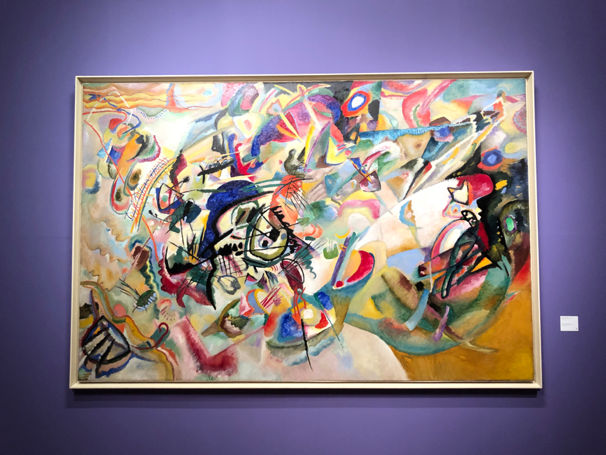
Have you ever wanted to step into another world, one filled with rich history, vibrant colors, and powerful stories? A visit to a museum of russian art offers just that—a captivating journey through centuries of cultural expression. From ancient icons to bold avant-garde paintings, Russian art provides a unique window into the soul of a vast and complex nation. This guide will walk you through what makes the museum of russian art in Minneapolis a must-see destination, exploring its history, collections, and the unforgettable experiences it offers. Whether you’re an art lover or just curious about different cultures, you’ll discover a world of beauty and intrigue.
Key Takeaways
- The Museum of Russian Art (TMORA) in Minneapolis is the only museum in North America dedicated to preserving and presenting all forms of Russian art and artifacts.
- The museum’s collection spans various periods, including Russian icons, Realism, the Avant-Garde, and Soviet-era art.
- TMORA is housed in a beautifully renovated historic building, formerly the Mayflower Congregational Church.
- In addition to its permanent collection, the museum hosts a dynamic schedule of special exhibitions, cultural events, concerts, and educational programs for all ages.
- Planning a visit is easy, with accessible location, clear visiting hours, and various amenities to enhance your experience.
What is The Museum of Russian Art?
Located in Minneapolis, Minnesota, The Museum of Russian Art (TMORA) is a unique cultural institution. It stands as the only museum in North America devoted entirely to the exhibition and preservation of Russian art in its many forms. Since opening its doors, the museum has been dedicated to fostering a deeper understanding and appreciation of Russian culture through its extensive collections and engaging programs. Unlike larger, more generalized art museums, this institution provides a focused and immersive experience. Visitors can explore everything from paintings and sculptures to decorative arts and folk crafts, all telling a piece of Russia’s compelling story. The museum serves as a vital bridge, connecting American audiences with the artistic traditions of Russia. Its mission is not just to display art but to educate, inspire, and create a dialogue between cultures, making it a truly special place.
The Museum’s Unique Mission
The core mission of The Museum of Russian Art is to showcase the breadth and depth of Russian artistic heritage. This goes beyond just displaying famous paintings. The museum aims to present a comprehensive view of Russian culture through art from different eras and regions. It highlights works that are rarely seen outside of Russia, giving visitors a special opportunity to connect with artists and movements that shaped the country’s history. The museum strives to be an educational resource, offering context and insight into the social, political, and historical forces that influenced the art. By doing so, it helps demystify Russian culture and fosters a sense of shared human experience through the universal language of art.
A Glimpse into the Museum’s History
The story of The Museum of Russian Art is one of passion and dedication. It was founded by Raymond and Susan Johnson, art collectors who had a deep appreciation for Russian Realist painting. They started by showcasing their private collection, hoping to share its beauty with a wider audience. What began as a small gallery quickly grew in scope and ambition. The initial exhibitions were so well-received that it became clear there was a strong public interest in Russian art. This enthusiasm fueled the Johnsons’ vision to create a permanent home for the collection, leading to the establishment of the museum as a formal nonprofit organization in 2002. From these humble beginnings, it has evolved into a premier cultural destination.
From a Church to a Cultural Hub
One of the most fascinating aspects of the museum of russian art is its home. The museum is located in a beautifully restored building that was once the Mayflower Congregational Church. This historic Spanish Colonial Revival-style structure, built in 1935, provides a stunning and serene backdrop for the art it houses. The renovation process was carefully managed to preserve the building’s architectural integrity while creating modern, state-of-the-art gallery spaces. The main gallery, with its soaring ceilings and abundant natural light, was once the church’s sanctuary. This transformation from a place of worship to a temple of art adds another layer of history and character to the visitor experience, much like the historic transformations seen at landmarks like Versailles, which you can read more about at versaillesblog.com.
Exploring the Collections at the Museum of Russian Art
The collections at The Museum of Russian Art are the heart and soul of the institution. They offer a rich and varied survey of Russian art history, with a particular focus on the 20th century. The museum’s holdings are organized to guide visitors through different artistic periods and movements, making the journey both educational and visually stunning.
Russian Realism: A Window to the Past
A significant portion of the collection is dedicated to Russian Realism, particularly from the Soviet period (1917-1991). This style, often referred to as Socialist Realism, was the officially sanctioned art of the Soviet Union. Artists were tasked with creating works that were optimistic, accessible, and supportive of socialist ideals. The paintings often depict scenes of everyday life, industrial labor, and historical events from a heroic perspective. While it can be seen as propaganda, this art also offers an invaluable and intimate look into what life was like for ordinary people during this complex time. The works are known for their technical skill and emotional power, capturing moments of joy, struggle, and community with remarkable detail and sensitivity.
The Allure of Russian Icons
The museum also features a beautiful collection of Russian icons. These religious paintings are among Russia’s oldest and most profound artistic traditions. More than just art, icons are considered sacred objects used in prayer and devotion within the Eastern Orthodox Church. They typically depict Christ, the Virgin Mary, or other saints. Created using tempera paint on wooden panels, these works are characterized by their stylized figures, rich symbolism, and use of gold leaf to represent divine light. Viewing these icons in the tranquil setting of the museum of russian art is a deeply moving experience, connecting you to a spiritual tradition that has endured for over a thousand years.
Avant-Garde and Nonconformist Art
Beyond Realism, the museum explores other powerful movements in Russian art. The early 20th century saw the rise of the Russian Avant-Garde, a period of radical experimentation and innovation with artists like Kandinsky and Malevich. Although TMORA’s primary focus is on Realism, it often features special exhibitions dedicated to this revolutionary period. Additionally, the museum showcases Nonconformist Art, which emerged during the post-Stalin era. This movement includes artists who defied the strict constraints of Socialist Realism, choosing instead to explore personal expression, abstraction, and social commentary. These works provide a powerful counter-narrative, revealing the hidden creative spirit that thrived even under repressive conditions.
What to Expect During Your Visit
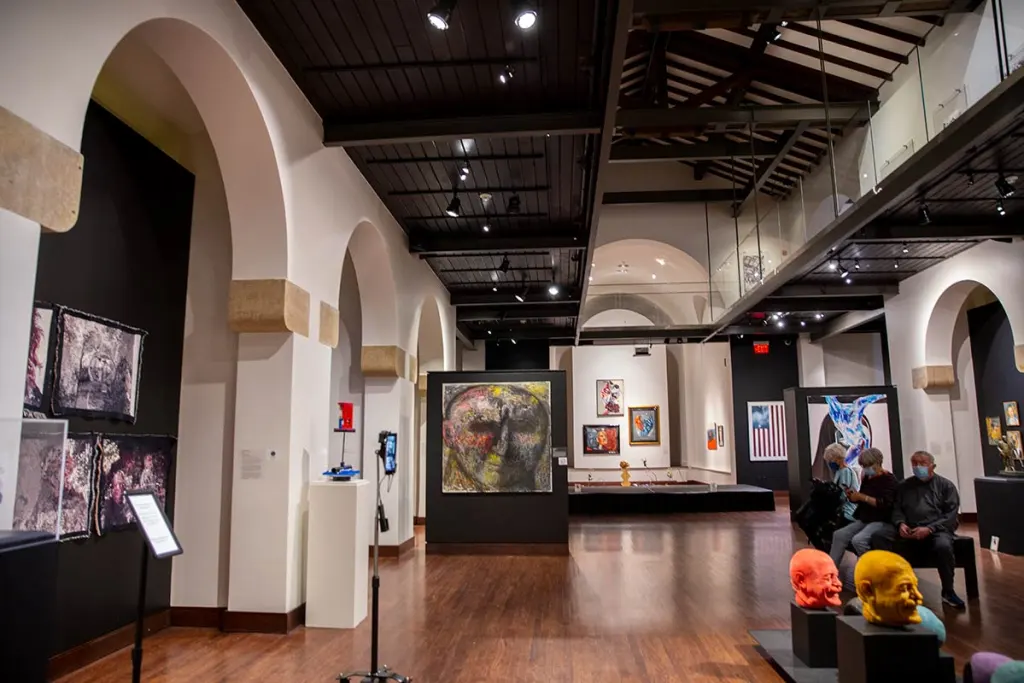
A visit to The Museum of Russian Art is designed to be an enjoyable and enriching experience. From the moment you step inside, you are welcomed into a calm and inviting atmosphere. The museum’s layout is intuitive, allowing you to move through the galleries at your own pace.
|
Visitor Information |
Details |
|---|---|
|
Location |
Minneapolis, Minnesota |
|
Primary Focus |
Russian art from all periods |
|
Building Type |
Renovated historic church |
|
Key Collections |
Realism, Soviet Art, Icons, Special Exhibits |
|
Amenities |
Gift Shop, Event Spaces, Educational Programs |
The Main Gallery and Exhibition Spaces
The museum’s primary exhibition space is the main gallery on the ground floor. This expansive, open area allows for the display of large-scale paintings and sculptures. The museum’s curators use this space to mount breathtaking exhibitions that change several times a year. This dynamic schedule means there is always something new to see. In addition to the main gallery, there are more intimate spaces on the mezzanine and lower levels. These areas are often used for smaller, focused exhibitions, such as works on paper, photography, or folk art. The thoughtful curation ensures that each exhibition tells a coherent and engaging story.
Special Exhibitions and Events
The Museum of Russian Art is more than just a place to see static displays; it is a vibrant cultural center. The museum hosts a wide array of special events throughout the year. These include:
- Classical Music Concerts: The main gallery’s excellent acoustics make it a perfect venue for chamber music.
- Lectures and Talks: Experts on Russian history, art, and culture share their knowledge with the public.
- Film Screenings: The museum shows classic and contemporary Russian films.
- Family Days: Special activities and tours are designed to engage visitors of all ages.
- Literary Events: Readings and discussions with authors and poets.
These events provide deeper context for the art on display and offer fun, interactive ways to engage with Russian culture. Be sure to check the museum’s website for the latest schedule.
The Museum Store
No visit is complete without a stop at the museum store. This isn’t your average gift shop. The store at The Museum of Russian Art offers a curated selection of unique items directly related to Russian culture. You can find beautiful art books, authentic crafts like nesting dolls (matryoshkas) and lacquered boxes, traditional jewelry, and scarves. It’s the perfect place to find a meaningful souvenir or a special gift that reflects the art and culture you’ve just experienced.
Planning Your Trip to The Museum of Russian Art
Planning your visit is simple. The museum is conveniently located at the intersection of I-35W and Diamond Lake Road in Minneapolis, with free parking available. It is accessible for visitors with disabilities.
Hours and Admission
The museum is open daily, but hours can vary, so it’s always a good idea to check the official website before you go. Admission fees are reasonable, with discounts available for seniors, students, and children. Museum members receive free admission.
Guided Tours
To get the most out of your visit, consider taking a docent-led tour. These knowledgeable guides provide fascinating insights into the artworks and the artists who created them. They can answer your questions and point out details you might otherwise miss. Public tours are offered at set times, and private tours can be arranged for groups.
The Impact of the Museum
The Museum of Russian Art plays an important role in the cultural landscape of the Twin Cities and the United States as a whole. It serves as a center for cultural diplomacy, fostering goodwill and understanding through the shared appreciation of art. In a world where political landscapes can be tense, institutions like this provide a neutral ground for people to connect on a human level. The museum also enriches its local community by providing educational opportunities for schools and lifelong learning for adults. It has become a beloved institution, cherished for its unique mission and the world-class art it brings to the American Midwest.
Conclusion
The Museum of Russian Art offers a rare and precious opportunity to explore a thousand years of artistic achievement. It is a place where history comes alive on canvas, where spiritual traditions are honored, and where the enduring power of the human creative spirit is celebrated. Whether you are captivated by the serene beauty of an ancient icon, moved by the powerful realism of a Soviet-era painting, or intrigued by the story of the museum itself, a visit is an unforgettable experience. It provides not just a look at Russian art, but a deeper understanding of the culture that produced it.
Frequently Asked Questions (FAQ)
1. Where is The Museum of Russian Art located?
The Museum of Russian Art is located in Minneapolis, Minnesota. It is the only museum of its kind in North America.
2. What kind of art is featured in the museum?
The museum features a wide range of Russian art, with a strong focus on 20th-century Russian Realism. It also displays Russian icons, Avant-Garde art (in special exhibitions), Nonconformist art, and folk crafts.
3. Do I need to know a lot about Russian art to enjoy the museum?
Not at all! The museum is designed to be accessible to everyone, regardless of their prior knowledge. All exhibitions include clear and informative descriptions, and docent-led tours are available to provide additional context and answer questions.
4. Is the museum suitable for children?
Yes, the museum welcomes visitors of all ages. While young children might not appreciate every detail, the vibrant colors and powerful images can be very engaging. The museum also hosts special family-friendly events and activities.
5. How often do the exhibitions change?
The museum of russian art has a dynamic exhibition schedule. Major exhibitions in the main gallery typically change two to three times per year, so there is always something new and exciting to discover on a return visit.














Post Comment