A Simple Guide to the Present Continuous Tense in Hindi
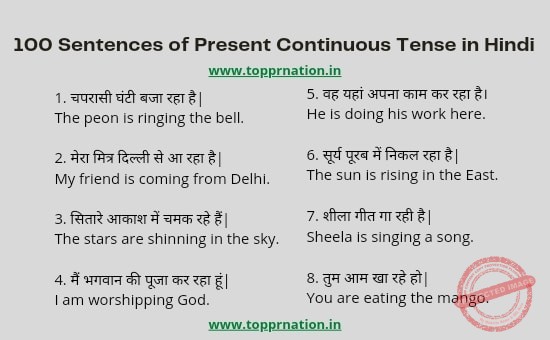
Learning a new language can feel like unlocking a secret code. You start with simple words, then move on to building sentences. One of the most useful tools you’ll need for speaking Hindi is understanding how to talk about actions happening right now. This is where the present continuous tense in Hindi comes into play. It’s the tense you use to say things like “I am eating,” “She is reading,” or “They are playing.” While it might sound complex, it’s actually quite logical. This guide will break down everything you need to know, from the basic rules to forming questions and negative sentences. By the end, you’ll be able to describe ongoing actions in Hindi with confidence.
Key Takeaways
- What it is: The present continuous tense describes actions that are happening at the moment of speaking.
- The Core Formula: The basic structure involves the verb root + rahā (for masculine subjects), rahī (for feminine subjects), or rahe (for plural/respected subjects) + the correct form of the verb ‘to be’ (honā).
- Subject-Verb Agreement: The ending of the main verb and the helping verb must match the gender and number of the subject.
- Forming Negatives: Simply add nahīṅ (नहीं) before the verb combination to make a sentence negative.
- Asking Questions: Start the sentence with kyā (क्या) to ask a yes/no question. For other questions, use question words like kahāṅ (where) or kyoṅ (why).
What Exactly Is the Present Continuous Tense?
In English, we form the present continuous tense by using “am,” “is,” or “are” with a verb ending in “-ing.” For example, “You are learning.” This tense is all about actions in progress. The present continuous tense in Hindi serves the exact same purpose. It helps you talk about what is happening right now. In Hindi, this tense is often called the Apurva Vartaman Kal (अपूर्ण वर्तमान काल). The word apurva means ‘incomplete,’ which perfectly describes an action that is still going on. It’s one of the most frequently used tenses in daily conversation, making it essential for anyone wanting to become fluent.
Understanding this tense is a major step forward. It moves you from stating simple facts (like “I am a student”) to describing the dynamic world around you (“The teacher is writing on the board”). Whether you’re telling a friend what you’re doing, asking someone what they’re up to, or describing a scene, this tense is your best friend. For more language learning tips, you can always explore resources like those found at https://versaillesblog.com/.
The Basic Formula for Present Continuous Tense in Hindi
The magic of forming the present continuous tense in Hindi lies in a simple, consistent formula. Once you get the hang of it, you can apply it to almost any verb. Here is the fundamental structure:
Subject + Verb Root + रहा / रही / रहे (rahā / rahī / rahe) + हूँ / हो / है / हैं (hūṅ / ho / hai / haiṅ)
Let’s break down each part of this formula:
- Subject: This is the person or thing performing the action (e.g., I, you, he, she, they).
- Verb Root: This is the most basic form of the verb. To find the root, you usually just remove the nā (ना) ending from the infinitive form. For example, the root of karnā (करना – to do) is kar (कर). The root of khānā (खाना – to eat) is khā (खा).
- rahā / rahī / rahe: This is the key component that signals a continuous action, similar to “-ing” in English. The form you use depends on the subject’s gender and number.
- hūṅ / ho / hai / haiṅ: This is the helping verb, which is a form of honā (होना – to be). It must agree with the subject.
This structure might seem like a lot to remember, but with a little practice, it becomes second nature. It’s the engine that powers all your sentences about ongoing actions.
Understanding Subject-Verb Agreement
In Hindi, verbs have to “agree” with the subject of the sentence. This means the verb endings change based on who is doing the action. For the present continuous tense in Hindi, this agreement happens in two places: with rahā/rahī/rahe and with the helping verb (hūṅ/ho/hai/haiṅ). Let’s look at how this works.
The Role of Gender and Number
Gender (masculine/feminine) and number (singular/plural) are very important in Hindi grammar. They determine which form of rahā you use.
- rahā (रहा): Use this for a singular masculine subject.
-
- Example: Laṛkā khel rahā hai. (लड़का खेल रहा है।) – The boy is playing.
- rahī (रही): Use this for a singular or plural feminine subject.
-
- Example (Singular): Laṛkī khel rahī hai. (लड़की खेल रही है।) – The girl is playing.
- Example (Plural): Laṛkiyāṅ khel rahī haiṅ. (लड़कियाँ खेल रही हैं।) – The girls are playing.
- rahe (रहे): Use this for a plural masculine subject or for a singular subject you are showing respect to (male or female).
-
- Example (Plural): Laṛke khel rahe haiṅ. (लड़के खेल रहे हैं।) – The boys are playing.
- Example (Respect): Pitājī ā rahe haiṅ. (पिताजी आ रहे हैं।) – Father is coming.
This system of agreement is a core feature of the language. Getting it right will make your Hindi sound much more natural and correct.
Matching the Helping Verb (honā)
The second part of the agreement is choosing the correct helping verb. This part is determined by the subject pronoun.
|
Subject Pronoun |
Hindi |
Helping Verb |
|---|---|---|
|
I |
मैं (maiṅ) |
हूँ (hūṅ) |
|
You (informal) |
तुम (tum) |
हो (ho) |
|
You (very informal) |
तू (tū) |
है (hai) |
|
He/She/It/This/That |
वह/यह (vah/yah) |
है (hai) |
|
We |
हम (ham) |
हैं (haiṅ) |
|
You (formal) |
आप (āp) |
हैं (haiṅ) |
|
They/These/Those |
वे/ये (ve/ye) |
हैं (haiṅ) |
Notice the small dot (bindu) on haiṅ (हैं) and hūṅ (हूँ). This indicates nasalization and is crucial for correct pronunciation and meaning, as hai (है) is singular and haiṅ (हैं) is plural.
Forming Sentences: Step-by-Step with Examples
Now, let’s put everything together and build some sentences. We will use the verb paṛhnā (पढ़ना – to read), which has the root paṛh (पढ़).
Step 1: Identify the Subject
Let’s start with “I” (maiṅ).
Step 2: Determine Gender and Number
Maiṅ can be masculine or feminine. Let’s assume the speaker is a male. So, we need the masculine singular form.
Step 3: Choose the Correct rahā/rahī/rahe Form
For a masculine singular subject, we use rahā. So far, we have: Maiṅ paṛh rahā…
Step 4: Add the Correct Helping Verb
The helping verb for maiṅ is hūṅ.
Final Sentence:
Maiṅ paṛh rahā hūṅ. (मैं पढ़ रहा हूँ।) – I am reading.
What if the speaker is female? The only thing that changes is rahā becomes rahī.
Maiṅ paṛh rahī hūṅ. (मैं पढ़ रही हूँ।) – I am reading.
More Examples in a Table
Here is a table showing how to conjugate the verb jānā (जाना – to go) for different subjects. The root is jā (जा).
|
Subject (English) |
Subject (Hindi) |
Gender/Number Assumption |
Full Sentence in Hindi |
Translation |
|---|---|---|---|---|
|
I (male) |
मैं (maiṅ) |
Masculine Singular |
मैं जा रहा हूँ। (Maiṅ jā rahā hūṅ.) |
I am going. |
|
I (female) |
मैं (maiṅ) |
Feminine Singular |
मैं जा रही हूँ। (Maiṅ jā rahī hūṅ.) |
I am going. |
|
You (informal) |
तुम (tum) |
Masculine Singular |
तुम जा रहे हो। (Tum jā rahe ho.) |
You are going. |
|
You (informal) |
तुम (tum) |
Feminine Singular |
तुम जा रही हो। (Tum jā rahī ho.) |
You are going. |
|
He |
वह (vah) |
Masculine Singular |
वह जा रहा है। (Vah jā rahā hai.) |
He is going. |
|
She |
वह (vah) |
Feminine Singular |
वह जा रही है। (Vah jā rahī hai.) |
She is going. |
|
We |
हम (ham) |
Masculine/Mixed Plural |
हम जा रहे हैं। (Ham jā rahe haiṅ.) |
We are going. |
|
You (formal) |
आप (āp) |
Plural/Respect |
आप जा रहे हैं। (Āp jā rahe haiṅ.) |
You are going. |
|
They |
वे (ve) |
Masculine/Mixed Plural |
वे जा रहे हैं। (Ve jā rahe haiṅ.) |
They are going. |
How to Form Negative Sentences
Creating negative sentences in the present continuous tense in Hindi is incredibly simple. All you need to do is add the word nahīṅ (नहीं), which means “not.”
The placement is key: nahīṅ always comes right before the verb group (i.e., before rahā/rahī/rahe).
Formula: Subject + nahīṅ + Verb Root + rahā/rahī/rahe + Helping Verb
Let’s make our previous examples negative:
- Positive: Maiṅ paṛh rahā hūṅ. (I am reading.)
- Negative: Maiṅ nahīṅ paṛh rahā hūṅ. (मैं नहीं पढ़ रहा हूँ।) – I am not reading.
- Positive: Sītā khānā banā rahī hai. (Sita is cooking food.)
- Negative: Sītā khānā nahīṅ banā rahī hai. (सीता खाना नहीं बना रही है।) – Sita is not cooking food.
- Positive: Ve krikeṭ khel rahe haiṅ. (They are playing cricket.)
- Negative: Ve krikeṭ nahīṅ khel rahe haiṅ. (वे क्रिकेट नहीं खेल रहे हैं।) – They are not playing cricket.
It’s that straightforward! Unlike English, where you have to add “not” and sometimes change the helping verb (e.g., “do not”), in Hindi, you just insert nahīṅ. This consistency makes learning the present continuous tense in Hindi much easier.
Asking Questions in the Present Continuous Tense
Just like with negatives, forming questions in Hindi follows a clear pattern. There are two main types of questions you can ask: yes/no questions and questions using question words (like who, what, where, why).
Creating Yes/No Questions
To turn a statement into a simple yes/no question, you just add the word kyā (क्या) to the very beginning of the sentence. The rest of the word order stays exactly the same. Kyā acts like a question marker.
- Statement: Āp dillī jā rahe haiṅ. (आप दिल्ली जा रहे हैं।) – You are going to Delhi.
- Question: Kyā āp dillī jā rahe haiṅ? (क्या आप दिल्ली जा रहे हैं?) – Are you going to Delhi?
- Statement: Vah so rahī hai. (वह सो रही है।) – She is sleeping.
- Question: Kyā vah so rahī hai? (क्या वह सो रही है?) – Is she sleeping?
The answer to these questions would be either hāṅ (हाँ) for “yes” or nahīṅ (नहीं) for “no,” often followed by the full statement. For example, “हाँ, मैं दिल्ली जा रहा हूँ।” (Hāṅ, maiṅ dillī jā rahā hūṅ.)
Using Question Words (Wh- Questions)
For more specific questions, you use question words. In Hindi, these words are often called “prashnavāchak śabd” (प्रश्नवाचक शब्द). Some common ones are:
- Kyoṅ (क्यों) – Why?
- Kahāṅ (कहाँ) – Where?
- Kab (कब) – When?
- Kaise (कैसे) – How?
- Kaun (कौन) – Who?
- Kyā (क्या) – What?
Unlike the yes/no kyā, the question word kyā (what) is placed right before the verb group, not at the beginning of the sentence. Most other question words also follow this placement.
Formula: Subject + Question Word + Verb Group
Let’s see it in action:
- You are doing what?
-
- Āp kyā kar rahe haiṅ? (आप क्या कर रहे हैं?)
- She is going where?
-
- Vah kahāṅ jā rahī hai? (वह कहाँ जा रही है?)
- Why are they laughing?
-
- Ve kyoṅ haṅs rahe haiṅ? (वे क्यों हँस रहे हैं?)
Mastering these question formats is crucial for having real conversations using the present continuous tense in Hindi.
Common Verbs and Their Conjugation
To help you practice, here’s a list of common Hindi verbs and examples of their use in the present continuous tense in Hindi.
|
Verb (Infinitive) |
Verb (Root) |
Example Sentence (Masculine Singular) |
Translation |
|---|---|---|---|
|
करना (karnā) |
कर (kar) |
मैं काम कर रहा हूँ। (Maiṅ kām kar rahā hūṅ.) |
I am doing work. |
|
खाना (khānā) |
खा (khā) |
राम सेब खा रहा है। (Rām seb khā rahā hai.) |
Ram is eating an apple. |
|
पीना (pīnā) |
पी (pī) |
वह पानी पी रहा है। (Vah pānī pī rahā hai.) |
He is drinking water. |
|
सोना (sonā) |
सो (so) |
बच्चा सो रहा है। (Baccā so rahā hai.) |
The child is sleeping. |
|
देखना (dekhnā) |
देख (dekh) |
हम फ़िल्म देख रहे हैं। (Ham film dekh rahe haiṅ.) |
We are watching a movie. |
|
बोलना (bolnā) |
बोल (bol) |
आप सच बोल रहे हैं। (Āp sac bol rahe haiṅ.) |
You are speaking the truth. |
|
आना (ānā) |
आ (ā) |
मेरी दोस्त आ रही है। (Merī dost ā rahī hai.) |
My friend is coming. |
Practice using these verbs with different subjects to get comfortable with the patterns of agreement. Try creating your own sentences to describe what you and the people around you are doing right now. The more you use it, the more natural it will become. For more vocabulary and exercises, browsing a diverse collection of topics, like on https://versaillesblog.com/, can be a great help.
Conclusion
The present continuous tense in Hindi is a fundamental building block for communication. It allows you to describe the world in real-time, making your conversations more dynamic and descriptive. By remembering the core formula—Subject + Verb Root + rahā/rahī/rahe + Helping Verb—and practicing the rules of subject-verb agreement, you can master this essential tense. From making simple statements to asking detailed questions and forming negatives, the structure is logical and consistent. Keep practicing with different verbs and subjects, and soon you’ll find yourself using it effortlessly in your daily Hindi conversations.
Frequently Asked Questions (FAQ)
1. What is the main difference between the simple present and present continuous tense in Hindi?
The simple present tense (sāmānya vartamān kāl) describes habits, routines, or universal truths (e.g., “I eat apples,” “The sun rises in the east”). The present continuous tense in Hindi (apurva vartamān kāl) describes actions happening right now (e.g., “I am eating an apple”). The structure is also different; the simple present uses tā/tī/te endings, while the present continuous uses rahā/rahī/rahe.
2. How do I know whether to use rahā, rahī, or rahe?
It depends entirely on the subject of the sentence.
- Use rahā for a single male subject. (e.g., Rām)
- Use rahī for a single female subject or multiple female subjects. (e.g., Sītā, laṛkiyāṅ)
- Use rahe for multiple male subjects (or a mixed-gender group) and for any subject you are addressing with respect. (e.g., laṛke, āp, pitājī)
3. Is there a short form or contraction like “I’m” or “he’s” in Hindi?
No, Hindi does not use contractions in the same way English does. You must always use the full form of the verbs. For example, you must say Maiṅ jā rahā hūṅ and cannot shorten it.
4. What happens with verbs that end in a vowel?
The rule remains the same. You take the root and add rahā/rahī/rahe. For example, the verb khānā (to eat) has the root khā. The conjugation becomes khā rahā hūṅ. The verb pīnā (to drink) has the root pī. The conjugation becomes pī rahā hūṅ.
5. Can kyā mean both “what” and be a yes/no question marker? How do I know the difference?
Yes, and the difference is in its placement. When kyā is at the beginning of a sentence, it signals a yes/no question (“Kyā āp ā rahe haiṅ?” – “Are you coming?”). When kyā is placed before the verb inside the sentence, it means “what” (“Āp kyā kar rahe haiṅ?” – “What are you doing?”).













Post Comment