The Museum of Russian Art: A Cultural Gem in Minneapolis
Have you ever wondered what it would be like to step into a different time and place, all without leaving the United States? In the heart of Minneapolis, Minnesota, there’s a unique cultural treasure that does just that. Welcome to The Museum of Russian Art, a special place dedicated entirely to preserving and showcasing the incredible artistic heritage of Russia. This isn’t just a building with paintings; it’s a bridge connecting cultures, telling stories of a nation through its creative expressions. Whether you’re an art lover, a history buff, or just curious about the world, a visit here offers a captivating journey. Get ready to explore the fascinating world of Russian art, from the days of the tsars to the modern era, all housed within a beautifully renovated historic building.
Key Takeaways
- Unique Focus: The Museum of Russian Art (TMORA) is the only museum in North America dedicated exclusively to the art and artifacts of Russia.
- Rich Collection: Its collection spans over a century, including Soviet-era Realism, nonconformist art, folk art, and more.
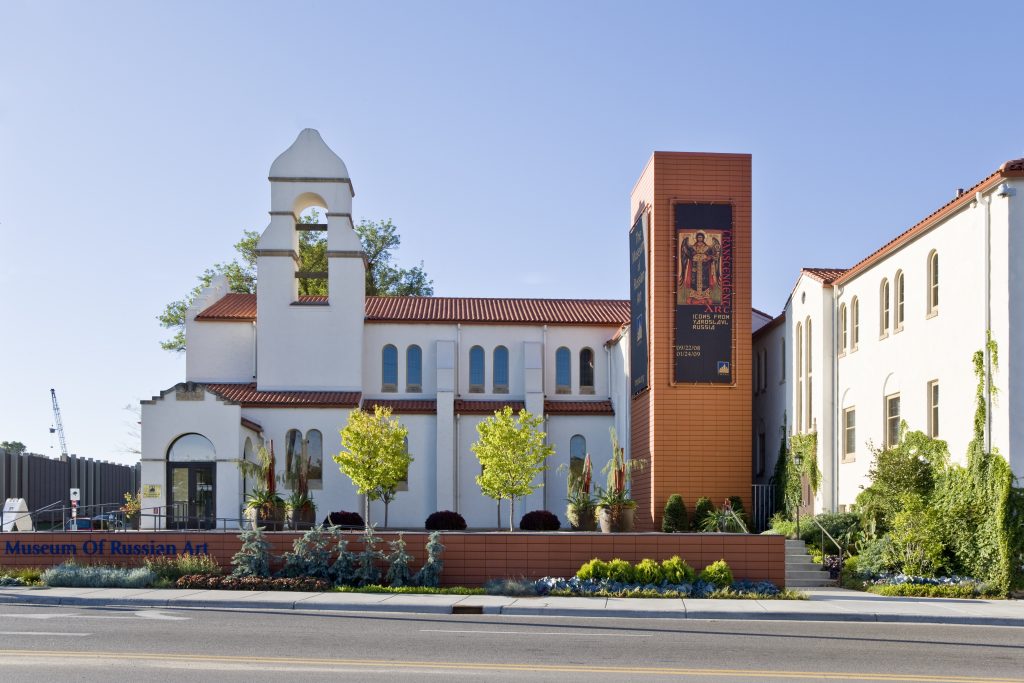
- Historic Venue: The museum is located in a stunningly renovated Spanish Colonial Revival-style church, creating a unique atmosphere for viewing art.
- Engaging Exhibitions: TMORA hosts a dynamic schedule of exhibitions, ensuring there is always something new to discover.
- Educational Hub: It offers a wide array of educational programs, lectures, and cultural events for all ages.
What Is The Museum of Russian Art?
The Museum of Russian Art, often referred to as TMORA, is a non-profit institution with a clear and distinct mission: to promote understanding of the art, people, and culture of Russia. Unlike larger museums that might have a small Russian section, TMORA’s entire focus is on this specific area. This allows for an incredibly deep and nuanced exploration of Russian artistic traditions. Founded in 2002, the museum has grown from a small gallery into a significant cultural institution. It provides a platform for art that was often politically charged, hidden from public view, or simply unknown to Western audiences. The museum serves as a vital cultural link, fostering dialogue and appreciation for a complex and rich artistic history. It’s a place for discovery, where visitors can see the world through the eyes of Russian artists across different historical periods.
A Journey Through the Museum’s History
The story of the museum of russian art is one of passion and vision. It began with Raymond and Susan Johnson, art collectors who had a deep appreciation for Russian Realist paintings from the Soviet era. They wanted to share their collection and knowledge with the public, believing this art offered a unique window into Russian life and history. Initially, the collection was housed in a smaller gallery space. However, as interest and the collection itself grew, it became clear that a larger, more permanent home was needed. In 2005, the museum found its perfect location: a former church in Minneapolis. This move marked a major milestone, transforming TMORA into the prominent institution it is today. The museum’s journey reflects a commitment to preserving cultural heritage and making it accessible to everyone.
The Building: A Work of Art Itself
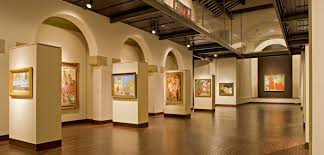
The home of the museum of russian art is as remarkable as the collection it houses. The building is a beautifully preserved Spanish Colonial Revival-style structure, originally built in the 1930s as the Mayflower Congregational Church. When the church moved, the building was carefully renovated to become a museum. The designers made sure to preserve its unique architectural character, including the soaring ceilings and magnificent sanctuary, which now serves as the main exhibition hall. This creates a serene and almost reverent atmosphere for viewing the art. The space is open and filled with natural light, allowing the colors and details of the paintings to shine. It’s a wonderful example of adaptive reuse, where a historic building is given a new purpose while honoring its past.
Exploring the Collections at The Museum of Russian Art
The core of any museum is its collection, and TMORA’s is truly exceptional. It covers a broad timeline, with a special focus on the 20th century. The artworks provide insights into the daily lives, struggles, and triumphs of the Russian people.
Socialist Realism: Art with a Purpose
A significant portion of the collection is dedicated to Socialist Realism, which was the officially sanctioned art style of the Soviet Union. This art was meant to be heroic, optimistic, and supportive of the state’s communist ideals. You’ll see paintings of factory workers, farmers, soldiers, and political leaders, all depicted in a realistic and often idealized manner. While it served as propaganda, this art is technically brilliant and offers a fascinating look into the values the Soviet government wanted to promote. For many visitors, it’s a completely new and eye-opening genre of art.
Nonconformist Art: The Spirit of Rebellion
In stark contrast to Socialist Realism, the museum of russian art also showcases Nonconformist art. This is the work of brave artists who rejected the strict rules of the state and chose to create art that was personal, abstract, and experimental. These artists often worked in secret, and their art was not shown publicly in the Soviet Union. This part of the collection tells a story of creative freedom and quiet rebellion. It highlights the resilience of the human spirit and the powerful urge to express oneself, even in the face of immense pressure.
Folk Art and Cultural Artifacts
Beyond paintings, the museum displays a charming collection of folk art and other cultural items. This can include anything from traditional nesting dolls (matryoshka) and lacquer boxes to textiles and religious icons. These objects provide a tangible connection to the everyday culture and traditions of Russia. They showcase the incredible craftsmanship and decorative styles that have been passed down through generations. It’s a delightful part of the visitor experience that adds another layer of understanding to Russian culture, much like how one might appreciate the intricate decor at historical sites like Versailles, a topic well-covered at https://versaillesblog.com/.
Planning Your Visit to TMORA
A trip to the museum of russian art is easy to plan and incredibly rewarding. Located in a convenient part of Minneapolis, it’s accessible and welcoming to all visitors.
Location, Hours, and Admission
- Location: 5500 Stevens Ave, Minneapolis, MN 55419
- Hours: The museum is open year-round, but it’s always a good idea to check their official website for the most current hours and any special holiday closures.
- Admission: There is an admission fee, with discounts often available for seniors, students, and children. Museum members typically receive free admission.
What to Expect During Your Visit
When you arrive, you’ll be struck by the beauty of the building. Inside, the main gallery is a large, open space where the primary exhibitions are held. There are often smaller exhibits in adjacent galleries. The museum is designed to be explored at your own pace. Most visitors spend between one and two hours here. Information about the artworks is clearly displayed, and the staff and docents are known for being friendly and knowledgeable. The museum is fully accessible, ensuring that everyone can enjoy the experience.
|
Visitor Information |
Details |
|---|---|
|
Parking |
Free off-street parking is available in the lot next to the museum. |
|
Photography |
Non-flash photography is generally allowed for personal use. |
|
Gift Shop |
A lovely gift shop offers unique Russian-made items, books, and prints. |
|
Tours |
Docent-led tours are available and offer deeper insights into the exhibitions. |
Exhibitions and Events
One of the best things about the museum of russian art is its dynamic schedule of exhibitions. The museum hosts several major exhibitions each year, meaning there is always something new to see. These exhibitions might focus on a specific artist, a particular time period, or a unique theme. For example, one exhibition might explore the role of women in Russian art, while another might showcase the art of a specific region. In addition to visual art, TMORA hosts a variety of cultural events. These include classical music concerts, lectures by historians and art experts, Russian holiday celebrations, and film screenings. These events make the museum a lively community hub and offer even more ways to engage with Russian culture.
Educational Opportunities and Community Outreach
Education is a cornerstone of the museum’s mission. The Museum of Russian Art is dedicated to providing learning opportunities for people of all ages. For schools, the museum offers guided tours and educational programs that align with school curricula, providing students with a unique and memorable learning experience. For adults, the museum’s lecture series is a fantastic way to dive deeper into topics related to Russian art, history, and politics. These programs are often led by leading scholars and provide valuable context for the art on display. The museum’s commitment to education helps to demystify Russian culture and build bridges of understanding within the community.
Why The Museum of Russian Art is a Must-See
In a world full of museums, the museum of russian art stands out for its specialized focus and exceptional quality. It offers a rare opportunity for American audiences to see a large, curated collection of art that is seldom seen outside of Russia. The artworks tell powerful stories about history, politics, and the human condition. A visit here is more than just an art-viewing experience; it’s a cultural education. You’ll leave with a greater appreciation for the complexity of Russian history and the incredible talent of its artists. Whether you live in Minnesota or are just visiting, TMORA is a cultural destination that should not be missed.
Conclusion
The Museum of Russian Art in Minneapolis is far more than just a collection of paintings. It is a vibrant cultural center, a place of learning, and a testament to the enduring power of art to connect us all. By focusing exclusively on the artistic heritage of Russia, it provides a unique and deeply enriching experience that you won’t find anywhere else in the country. From the heroic figures of Socialist Realism to the bold expressions of Nonconformist artists, the collection offers a comprehensive and moving journey through a nation’s soul. A visit to this remarkable museum will broaden your horizons and leave you with a lasting impression of Russia’s profound artistic legacy.
Frequently Asked Questions (FAQ)
Q1: Do I need to know a lot about Russian art to enjoy the museum?
Absolutely not! The Museum of Russian Art is designed for everyone, from seasoned art historians to curious first-time visitors. All artworks are accompanied by clear explanations in English, and the exhibitions are curated to tell a story that is easy to follow.
Q2: Is the museum suitable for children?
Yes, the museum can be a great experience for older children and teenagers, especially those interested in art or history. The visual nature of the paintings and the fascinating stories behind them can be very engaging for young minds.
Q3: How often do the exhibitions change?
The museum has a very active exhibition schedule. Major exhibitions typically rotate every 3-6 months, so there is always a new reason to visit and discover different facets of Russian art.
Q4: Can I host a private event at the museum?
Yes, the beautiful and unique space of the museum of russian art is available for rent for private events, such as weddings, corporate functions, and receptions. Its stunning architecture provides a memorable backdrop for any occasion.
Q5: How does the museum acquire its art?
The museum’s collection has been built through generous donations from collectors, acquisitions, and loans from other institutions and private individuals. The founding collection of Raymond and Susan Johnson forms the nucleus of its holdings.













Post Comment