Understanding Dollification: A Look into the Unique Trend
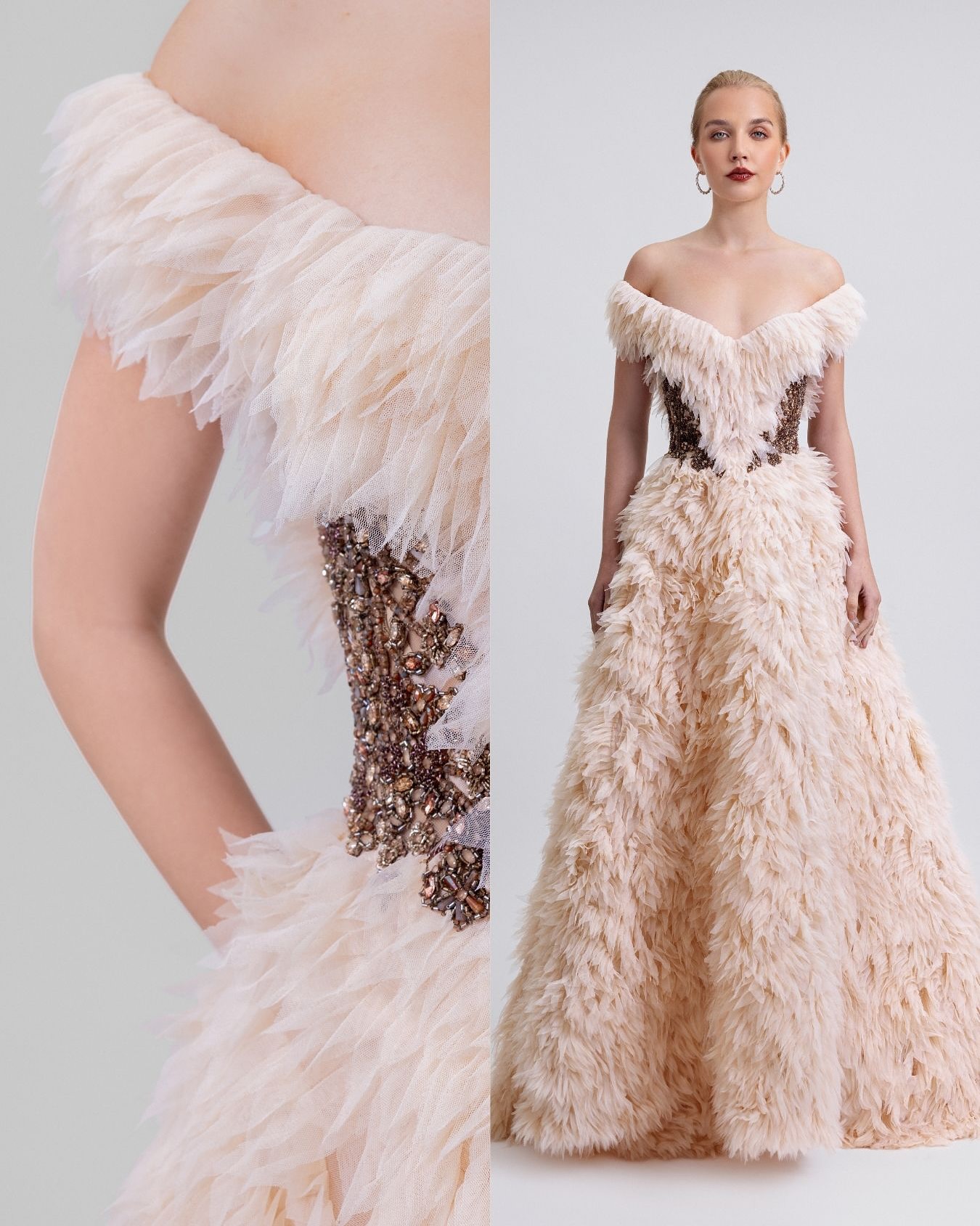
The internet has a way of introducing us to unique trends and subcultures, and one that often sparks curiosity is dollification. This term describes the process or aesthetic of a person transforming themselves to resemble a doll. This transformation can involve makeup, clothing, accessories, and sometimes even specific poses or mannerisms. It’s a fascinating blend of art, self-expression, and personal identity that has found a significant following across various online communities.
This article will explore the world of dollification from multiple angles. We’ll look at its history, the different styles that exist, and the cultural influences that have shaped it. We will also discuss the motivations behind this trend and its connection to cosplay and other forms of self-expression. By the end, you will have a clear understanding of what dollification is and why it captivates so many people around the world.
Key Takeaways
- Dollification is the art of transforming one’s appearance to look like a doll, using makeup, clothing, and posing.
- The trend is heavily influenced by various doll types, including porcelain dolls, ball-jointed dolls (BJDs), and iconic fashion dolls.
- It serves as a powerful form of self-expression, creativity, and community-building for its participants.
- The process involves detailed makeup techniques, carefully selected outfits, and specific posing to achieve the desired doll-like aesthetic.
- While a niche interest, dollification is part of a larger cultural fascination with idealized and fantastical beauty standards.
What Exactly Is Dollification?
At its core, dollification is the practice of adopting the characteristics of a doll. This isn’t about becoming a toy, but rather about embracing a specific aesthetic. Think of it as a living art form where the human body is the canvas. People who engage in dollification use a variety of tools and techniques to achieve their look. This can range from simple makeup applications that create the illusion of larger eyes and flawless skin to elaborate costumes that mimic the clothing of a favorite doll.
The goal of dollification is to capture the essence of being a doll—often characterized by perfect features, a pristine appearance, and a sense of otherworldliness. For many, it’s a way to step outside of everyday life and embody a different persona. This creative outlet allows individuals to explore different facets of their personality and artistic skills. It’s a deeply personal journey for most, with each person’s interpretation of the doll aesthetic being unique to them. The practice has grown from a small niche into a recognizable subculture with its own set of styles and community norms.
The Historical Roots of the Doll Aesthetic
The human fascination with dolls is as old as civilization itself. Dolls have been used as toys, religious idols, and artistic objects for thousands of years. The desire to look like a doll, however, is a more recent phenomenon that has gained traction with the rise of visual media and the internet. The concept of dollification can be traced back to the idealized beauty of porcelain dolls from the Victorian era. These dolls, with their perfect complexions and delicate features, set an early standard for the doll-like look.
In the 20th century, the introduction of fashion dolls like Barbie further shaped this aesthetic. Barbie represented a glamorous, adult-like figure with an extensive wardrobe and a perfect lifestyle, which many found aspirational. As we moved into the digital age, the influence grew. The emergence of Asian ball-jointed dolls (BJDs) in the late 1990s introduced a new, highly customizable and artistic dimension to the doll world. These influences, combined with the power of social media, have allowed the dollification trend to flourish and evolve into the diverse subculture we see today. For more insights into fashion and beauty history, you might find interesting articles over at Versailles Blog, which often explores historical aesthetics.
Different Styles of Dollification
The world of dollification is not one-size-fits-all. It encompasses a wide range of styles, each with its own unique characteristics and influences. Understanding these different styles helps to appreciate the creativity and diversity within the community.
Porcelain Doll Look
This style is inspired by classic Victorian porcelain dolls. The key features include a flawless, pale complexion, rosy cheeks, and delicate, painted-on features like thin eyebrows and small, puckered lips. The overall effect is one of antique fragility and innocence. People aiming for this look often wear vintage-style clothing, such as dresses with lace and ruffles, to complete the aesthetic. The makeup for this dollification style is precise and aims to create a smooth, ceramic-like finish on the skin.
Living Cartoon and Anime Doll
Influenced by Japanese anime and cartoons, this style is characterized by its exaggerated features. The most prominent element is the large, expressive eyes, often achieved with circle lenses, dramatic eyeliner, and false eyelashes. The rest of the face is typically kept simple to draw all attention to the eyes. This form of dollification allows for a lot of creativity, with participants often cosplaying as specific characters or creating their own original anime-inspired personas. The clothing is often vibrant and matches the aesthetic of the characters they are emulating.
Ball-Jointed Doll (BJD) Aesthetic
The BJD aesthetic is inspired by the highly realistic and customizable resin dolls popular in Asia. This look focuses on creating a sense of realism mixed with fantasy. Makeup is used to contour the face to appear more sculpted and defined, similar to the joints and structure of a BJD. The eyes are a major focus, but the overall look is often more serene or even melancholic compared to the bright anime style. This type of dollification often involves intricate costumes and props to create elaborate and artistic photo shoots.
|
Style |
Key Features |
Common Influences |
|---|---|---|
|
Porcelain Doll |
Pale skin, rosy cheeks, delicate features |
Victorian-era porcelain dolls |
|
Anime Doll |
Large, expressive eyes, vibrant colors |
Japanese anime and manga |
|
BJD Aesthetic |
Sculpted features, realistic yet fantastical |
Asian ball-jointed dolls |
|
Barbie/Fashion Doll |
Glamorous makeup, tanned skin, bold lips |
Barbie, Bratz, and other fashion dolls |
The Role of Makeup in Dollification
Makeup is arguably the most important tool in the dollification process. It’s what allows a person to visually transform their features to match a doll-like ideal. The techniques involved can be incredibly complex and require a high level of skill and artistry. For many, the process of applying makeup is a meditative and enjoyable ritual. It’s a chance to be creative and meticulously craft the persona they wish to present to the world.
A key technique in almost all dollification styles is creating the illusion of larger eyes. This is done using a combination of white eyeliner on the waterline to extend the whites of the eyes, dark eyeliner to create a new, larger eye shape, and circle lenses to make the iris appear bigger. Contouring and highlighting are also used extensively to reshape the face, creating a smaller chin, a higher nose bridge, and more defined cheekbones. The skin is typically made to look flawless and airbrushed using high-coverage foundation and powder. Lips are often reshaped with liner to look smaller and more bow-like, completing the transformation.
Fashion and Clothing: Dressing the Part
Fashion is another critical component of dollification. The clothing and accessories a person chooses are essential for completing the doll persona. The style of dress varies widely depending on the type of doll look being pursued. For someone embracing the porcelain doll aesthetic, this might mean frilly dresses, lace gloves, and bonnets. These outfits evoke a sense of historical elegance and innocence, perfectly matching the delicate makeup.
For those inspired by fashion dolls like Barbie, the wardrobe is all about glamour. This could include bright pink outfits, high heels, and sparkling accessories. The goal is to capture that iconic, chic look. Meanwhile, the anime and BJD styles allow for a vast range of fashion choices, from Japanese school uniforms to elaborate gothic or fantasy-inspired costumes. The clothing is not just an accessory; it’s part of the storytelling. It helps to build the character and solidify the fantasy of the dollification transformation. Many enthusiasts even learn to sew and design their own outfits to create a truly unique look.
Dollification as a Form of Self-Expression
Beyond the makeup and clothes, dollification is a profound form of self-expression for many people. In a world that often has rigid expectations for how people should look and act, adopting a doll persona can be liberating. It allows individuals to take control of their own image and present themselves to the world on their own terms. This act of transformation can be empowering, providing a boost in confidence and a strong sense of identity.
For some, it’s a way to connect with a more playful, creative, or idealized version of themselves. It can be a form of escapism, offering a temporary break from the pressures of daily life. By becoming a “doll,” they can explore different aspects of their personality in a safe and creative way. The dollification community is also a significant part of this self-expression. It provides a space where people with similar interests can connect, share their creations, and support one another, fostering a sense of belonging that can be hard to find elsewhere.
The Psychology Behind the Trend
Why are people drawn to dollification? The psychological motivations are varied and deeply personal. For some, it connects to a sense of nostalgia for childhood and the comfort associated with dolls and toys. It can be a way of reconnecting with a simpler, more imaginative time. The aesthetic of dolls—often perfect, serene, and untroubled—can be appealing to those looking to create a sense of order and beauty in their own lives.
Another psychological aspect is the concept of the persona. By creating a doll identity, individuals can experiment with different ways of being. This persona can act as a shield, allowing them to navigate social situations with more confidence. The process of dollification itself can be a form of therapy, a focused, creative activity that allows for mindfulness and self-reflection. It’s important to recognize that this is a hobby and an art form, not a sign of someone wanting to be an inanimate object. It’s about embodying an aesthetic, not losing one’s humanity.
Cosplay vs. Dollification: What’s the Difference?
While there can be overlap, cosplay and dollification are distinct practices.
- Cosplay: This is short for “costume play,” where participants wear costumes and accessories to represent a specific character from a movie, anime, video game, or book. The goal is to accurately portray that character.
- Dollification: This is about embodying the aesthetic of a doll, which might be a specific doll (like Barbie) or a general type (like a porcelain doll). Often, the character is an original creation rather than a pre-existing one.
The main difference lies in the source of inspiration. Cosplay is about recreating a known character, while dollification is about creating a look based on the idea of a doll. A person might cosplay as a character who happens to be a doll, blurring the lines. However, someone participating in dollification is often creating their own unique doll persona. Both are incredible forms of creativity and self-expression, but they have different starting points and goals.
The Online Community and Social Media
Social media has been instrumental in the growth of the dollification subculture. Platforms like Instagram, TikTok, and YouTube provide a global stage for enthusiasts to share their transformations, tutorials, and artistic photography. Hashtags like #dollification, #livingdoll, and #humandoll connect a vast network of creators and fans, allowing them to discover new artists and find inspiration.
These platforms are more than just a place to post pictures; they are community hubs. People share makeup tips, recommend products, and offer encouragement to one another. Many have built substantial followings, becoming influencers within the niche. They create detailed video tutorials showing how they achieve their looks, making the art form more accessible to newcomers. This online community has fostered a supportive environment where people can feel celebrated for their unique hobby. Like many niche fashion movements, its history and evolution are fascinating topics you can delve into on platforms like the Versailles Blog.
Is Dollification a Positive or Negative Trend?
Like any subculture, dollification is viewed differently by different people. From a positive perspective, it’s a harmless and creative hobby that fosters artistry, skill, and community. It empowers people to take control of their appearance and express their identity in a unique way. For many, it’s a source of joy, confidence, and social connection. The process of creating a look can be a therapeutic and fulfilling activity.
However, some critics raise concerns about the promotion of unrealistic beauty standards. The doll aesthetic often involves features that are physically impossible to achieve without digital alteration or extensive cosmetic procedures, such as extremely large eyes or a tiny waist. There is a concern that this could contribute to body image issues, particularly among younger followers. It’s a valid point, and it’s important for participants and observers to remember that dollification is a form of fantasy and art. Most people within the community emphasize that it’s about creative expression, not about setting a new standard for everyday beauty.
Conclusion
Dollification is a rich and multifaceted subculture that blends art, fashion, and personal identity. Far more than just playing dress-up, it is a dedicated craft that requires skill, creativity, and a passion for a specific aesthetic. From the delicate look of a porcelain doll to the vibrant energy of an anime character, the styles are diverse and deeply personal.
It serves as a powerful outlet for self-expression, allowing individuals to explore their creativity and connect with a supportive global community. While conversations about beauty standards are important, it’s clear that for most participants, dollification is a positive and empowering journey into a world of living art. It’s a testament to the human desire to create, transform, and share our unique visions with the world.
Frequently Asked Questions (FAQ)
Q1: What is the main goal of dollification?
The main goal of dollification is to creatively transform one’s appearance to resemble a doll. This is done for self-expression, artistic fulfillment, and to participate in a specific subculture. It is not about becoming an inanimate object but about embodying a particular aesthetic.
Q2: Do you need expensive products for dollification?
No, you don’t need expensive products to start. Many creators use affordable drugstore makeup to achieve incredible transformations. The key is skill and technique, not the price of the products. Many online tutorials focus on using budget-friendly options.
Q3: Is dollification related to any specific culture?
The modern dollification trend has strong influences from various cultures, particularly Japanese culture through anime and ball-jointed dolls (BJDs). However, it also draws from Western influences like Victorian porcelain dolls and fashion dolls like Barbie. It is now a global phenomenon with participants from all over the world.
Q4: How long does the transformation process take?
The time it takes can vary greatly depending on the complexity of the look. A simple makeup application might take about an hour, while a more elaborate transformation involving a full costume, detailed makeup, and hairstyling could take several hours to complete.
Q5: Is the dollification community welcoming to new members?
Generally, yes. The online dollification community is known for being supportive and welcoming. Newcomers can find countless tutorials, forums, and social media groups where they can ask for advice, share their first attempts, and connect with experienced artists.






Post Comment