Your Ultimate Guide to Exploring the White Mountains
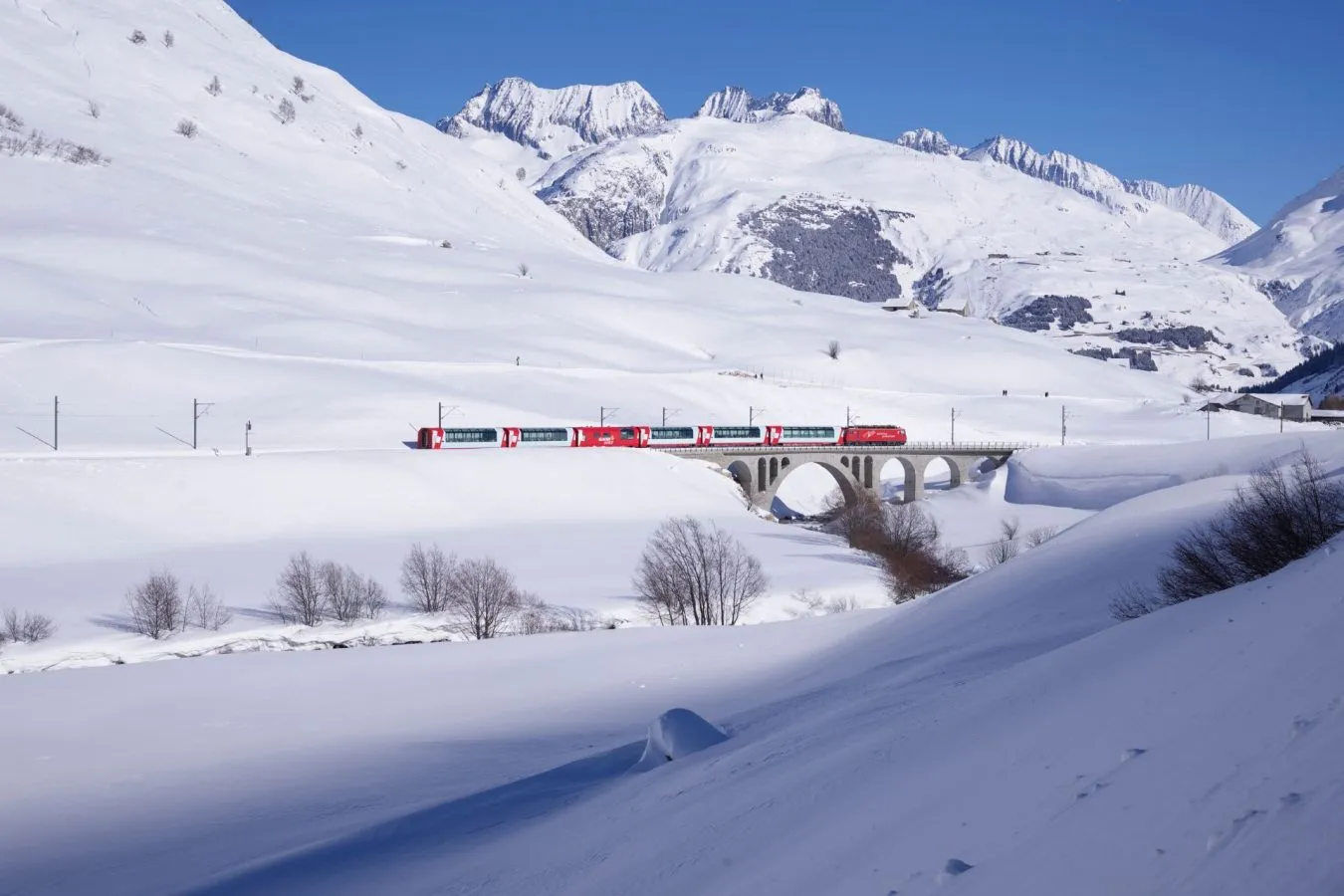
The White Mountains of New Hampshire offer a stunning escape into nature, boasting some of the most rugged peaks and breathtaking scenery in the Northeastern United States. Whether you’re an avid hiker, a family looking for a scenic drive, or someone who simply wants to breathe in fresh mountain air, this region has something for you. This guide will walk you through everything you need to know to plan your perfect adventure in the majestic White Mountains.
Key Takeaways
- The White Mountains are a major mountain range in New Hampshire and parts of Maine, known for their rugged beauty and the highest peak in the Northeast, Mount Washington.
- Outdoor activities are abundant year-round, including hiking, scenic driving, skiing, and leaf-peeping in the fall.
- The region is rich in history and offers numerous family-friendly attractions, from theme parks to historic railways.
- Proper planning is essential, especially when hiking, as the weather can change rapidly and be severe, particularly at higher elevations.
- From cozy cabins to grand resorts, there are lodging and dining options to fit every budget and travel style.
Discovering the White Mountains National Forest
Covering nearly 800,000 acres, the White Mountain National Forest is the heart of this incredible region. Established in 1918, the forest was created to protect and manage the lands, ensuring their beauty and resources would be preserved for future generations. Today, it’s a playground for outdoor enthusiasts, offering a vast network of trails, campgrounds, and scenic areas. The forest is managed for multiple uses, including recreation, timber harvesting, and wildlife conservation, making it a living example of sustainable land management. When you visit the White Mountains, you are stepping into a protected landscape that is both wild and accessible, thanks to the careful work of the U.S. Forest Service.
The Geography and Geology of the Range
The White Mountains are part of the larger Appalachian Mountains system and are renowned for their granite peaks, carved by ancient glaciers. This glacial activity created the dramatic U-shaped valleys, deep notches, and cirques (bowl-shaped hollows) that define the landscape. The Presidential Range is the most famous subrange, containing Mount Washington and other peaks named after U.S. presidents. The geology here is fascinating; the “white” in the name is believed to come from the often snow-capped peaks or the light-colored granite and mica schist that make up the mountains. This rugged terrain presents both a challenge and a reward for those who explore it.
The Best Time of Year to Visit
While the White Mountains are a year-round destination, each season offers a distinctly different experience. Your ideal time to visit will depend on what activities you want to enjoy.
Summer: A Hiker’s Paradise
Summer (June through August) is the most popular season. The weather is warm, the days are long, and the vast network of hiking trails is fully accessible. This is the perfect time to tackle a challenging peak, swim in a cool mountain river, or enjoy a picnic with a view. Campgrounds are bustling, and the region’s attractions are in full swing. However, be prepared for crowds at popular spots and always pack for potential rain and cooler temperatures, especially at higher elevations.
Autumn: A Spectacle of Color
Autumn, particularly from late September to mid-October, is legendary in the White Mountains. The landscape explodes into a brilliant display of red, orange, and yellow, making it one of the premier leaf-peeping destinations in the country. A drive along the Kancamagus Highway during this time is an unforgettable experience. The crisp air is perfect for hiking, and the fall festivals in nearby towns add to the festive atmosphere.
Winter: A Snowy Wonderland
From December to March, the White Mountains transform into a winter wonderland. The region is a major hub for winter sports, offering some of the best skiing and snowboarding on the East Coast. Other popular activities include snowshoeing, cross-country skiing, ice climbing, and snowmobiling. While the weather can be harsh and many hiking trails are only for experienced and well-equipped winter mountaineers, the snowy landscape is undeniably beautiful.
Spring: A Time of Renewal
Spring (April and May) is the quietest season, often referred to as “mud season.” As the snow melts, many trails become wet and muddy, and some may be closed to prevent erosion. However, this is a great time to find deals on lodging and enjoy the region without the crowds. It’s a season of transition, where you can witness the landscape coming back to life with flowing waterfalls and budding trees.
Must-Do Activities in the White Mountains
Your itinerary can be as relaxed or as action-packed as you wish. Here are some of the top activities that you shouldn’t miss during your visit.
Driving the Kancamagus Highway
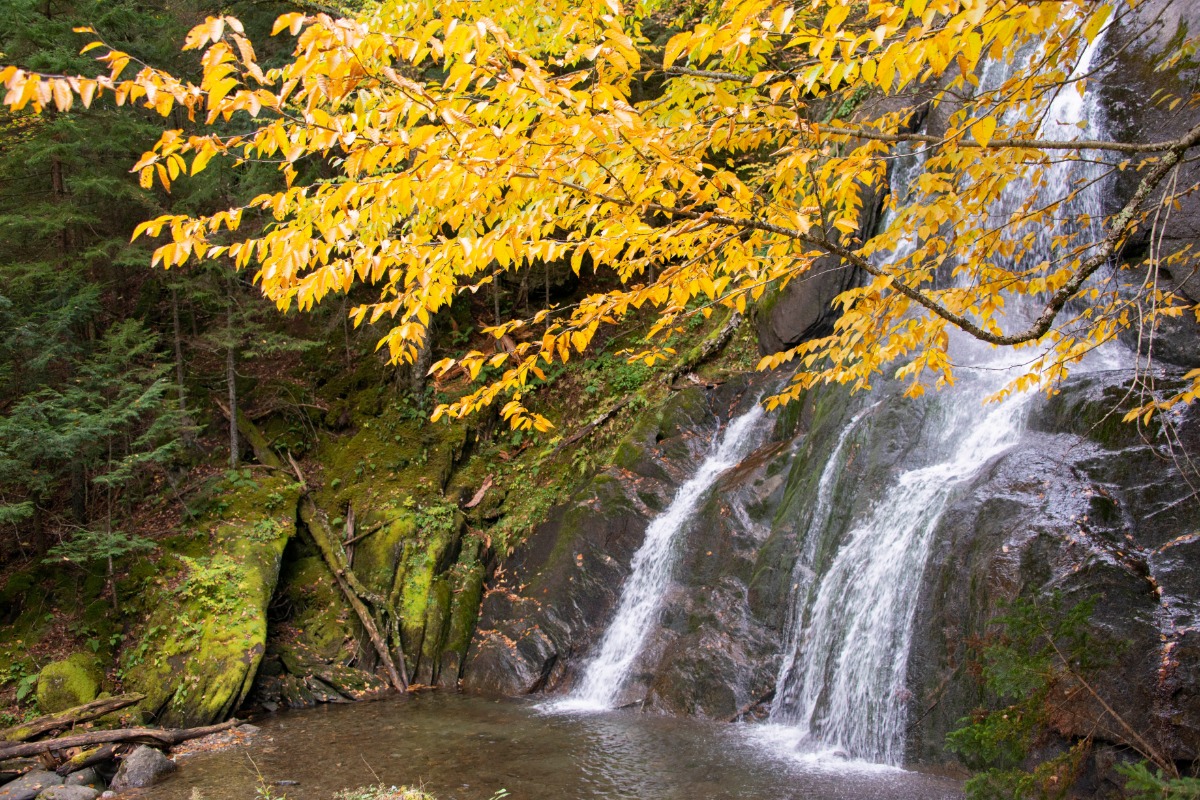
The Kancamagus Highway, a 34.5-mile scenic byway (Route 112), is a quintessential White Mountains experience. This road winds its way through the heart of the national forest, climbing to nearly 3,000 feet and offering spectacular views without ever leaving your car. There are numerous overlooks, picnic areas, and short hiking trails along the way. Be sure to stop at Sabbaday Falls, a beautiful multi-tiered waterfall just a short walk from the road. The “Kanc,” as it’s locally known, is especially popular during the fall foliage season.
Hiking for All Skill Levels
With over 1,200 miles of non-motorized trails, hiking is the premier activity in the White Mountains. There are trails for every ability, from easy, family-friendly nature walks to strenuous multi-day treks.
Easy Hikes for Families
- Diana’s Baths: A series of small waterfalls and pools on Lucy Brook, perfect for a hot day. The trail is less than a mile and relatively flat.
- Arethusa Falls: A relatively easy 2.8-mile round-trip hike leads to one of New Hampshire’s tallest waterfalls.
- Franconia Notch Recreation Path: A paved path that winds through Franconia Notch State Park, offering stunning views without the rugged terrain.
Challenging Hikes for the Adventurous
- Franconia Ridge Loop: Often cited as one of the best hikes in the country, this challenging 8.9-mile loop traverses the dramatic, exposed ridge connecting Mount Lafayette, Mount Lincoln, and Little Haystack.
- Tuckerman Ravine Trail: The most direct route to the summit of Mount Washington, this trail is steep and demanding, especially the final ascent up the ravine’s headwall.
Summiting Mount Washington
No trip to the White Mountains is complete without experiencing Mount Washington. Known for having the “world’s worst weather,” the summit has recorded wind speeds of 231 mph. Reaching the 6,288-foot peak is an adventure in itself.
How to Get to the Top
- Hike: For the physically fit and well-prepared, hiking to the summit is an incredible accomplishment. Multiple trails lead to the top, but all are strenuous and require careful planning.
- Mount Washington Auto Road: If you prefer to drive, the 7.6-mile Auto Road offers a thrilling journey to the summit. You can drive your own car or take a guided tour.
- The Cog Railway: Take a ride on the world’s first mountain-climbing cog railway. This historic train has been chugging its way to the summit since 1869 and provides a unique and scenic way to experience the mountain.
At the summit, you’ll find the Sherman Adams Visitor Center, the Mount Washington Observatory’s weather station, and, on a clear day, views that can stretch across multiple states and into Canada.
Family-Friendly Fun Beyond the Trails
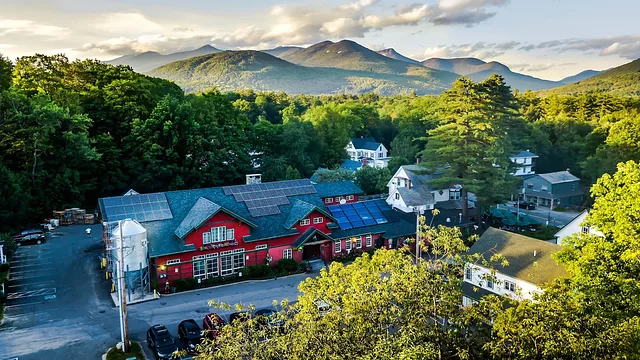
The White Mountains region is also packed with attractions perfect for a family vacation. Story Land in Glen is a beloved theme park where fairy tales and nursery rhymes come to life, offering rides and shows for young children. Nearby, Santa’s Village in Jefferson lets you experience the magic of Christmas all summer long. For animal lovers, Clark’s Bears (formerly Clark’s Trading Post) in Lincoln features a trained bear show, a steam train ride, and other fun attractions. These parks provide a great change of pace from hiking and sightseeing.
Where to Stay and Eat
From rustic campsites to luxurious hotels, the White Mountains have accommodations to suit every preference and budget. The main towns in the region—North Conway, Lincoln, and Jackson—serve as excellent bases for exploring.
- North Conway: A bustling hub known for its outlet shopping, variety of restaurants, and proximity to attractions like Cranmore Mountain and the Conway Scenic Railroad.
- Lincoln: Located at the western end of the Kancamagus Highway, it provides easy access to Franconia Notch State Park and Loon Mountain Resort.
- Jackson: A picturesque village with classic New England charm, known for its cross-country skiing and romantic inns. For more travel inspiration and tips on finding unique destinations, you might enjoy browsing a site like https://versaillesblog.com/.
When it comes to dining, you’ll find everything from casual cafes and breweries to fine dining establishments. Be sure to try some local New Hampshire products, like maple syrup and craft beer.
Safety and Preparedness in the Mountains
The beauty of the White Mountains comes with inherent risks. The weather can be unpredictable and change in an instant. It’s not uncommon for a sunny afternoon in the valley to be a dangerously cold and windy day on a ridge.
Hiking Safety Essentials
Before heading out on any hike, especially a longer one, always be prepared. The “10 Essentials” are a must-have for every hiker:
|
Category |
Essential Items |
|---|---|
|
Navigation |
Map, compass, and/or GPS device |
|
Sun Protection |
Sunglasses, sunscreen, and sun-protective clothing |
|
Insulation |
Extra layers of non-cotton clothing (fleece, wool) |
|
Illumination |
Headlamp or flashlight with extra batteries |
|
First-Aid |
A well-stocked first-aid kit |
|
Fire |
Waterproof matches, lighter, or fire starter |
|
Repair Kit |
Multi-tool, knife, and duct tape |
|
Nutrition |
Extra food for at least one additional day |
|
Hydration |
Extra water and a method to purify it |
|
Shelter |
Emergency blanket or bivy |
Always check the latest weather forecast from a reliable source like the Mount Washington Observatory before you go. Tell someone your plan, including your route and expected return time.
Conclusion
The White Mountains are more than just a destination; they are an experience. They offer a powerful combination of natural beauty, outdoor adventure, and classic New England charm. Whether you’re standing on the windswept summit of Mount Washington, driving through a tunnel of fiery autumn leaves on the Kancamagus Highway, or simply relaxing by a crystal-clear river, this region creates memories that last a lifetime. By respecting the wilderness and arriving prepared, you can safely enjoy all the wonders these magnificent mountains have to offer.
Frequently Asked Questions (FAQ)
Q: Do I need a pass to visit the White Mountain National Forest?
A: For many recreation sites, trailheads, and visitor centers within the national forest, you will need to display a Recreation Pass, also known as an “Amenity Fee.” You can purchase daily passes at self-service pay stations at the sites or buy a weekly or annual pass online or at ranger stations.
Q: Is cell service reliable in the White Mountains?
A: Cell service is very spotty and often nonexistent, especially on hiking trails and in more remote areas like the Kancamagus Highway. Do not rely on your phone for navigation or emergencies. Always carry a physical map and compass.
Q: Are the White Mountains dog-friendly?
A: Yes, dogs are allowed on most trails in the White Mountain National Forest, provided they are under your control. Some state parks and private attractions may have different rules, so it’s best to check in advance. Always clean up after your pet.
Q: What is the best hike for a beginner in the White Mountains?
A: Lonesome Lake Trail in Franconia Notch is a great option for beginners. It’s a 3.1-mile loop with a moderate but manageable climb that rewards you with beautiful views of a pristine mountain lake and an AMC hut where you can rest.
Q: How should I prepare for the weather on Mount Washington?
A: Assume you will encounter winter-like conditions at the summit, even in summer. Pack multiple layers of non-cotton clothing, including a waterproof and windproof jacket, a hat, and gloves. Check the Mount Washington Observatory’s Higher Summits Forecast immediately before your trip for the most accurate conditions.












Post Comment