Yoga for Health: Your Guide to a Stronger Body and Calmer Mind
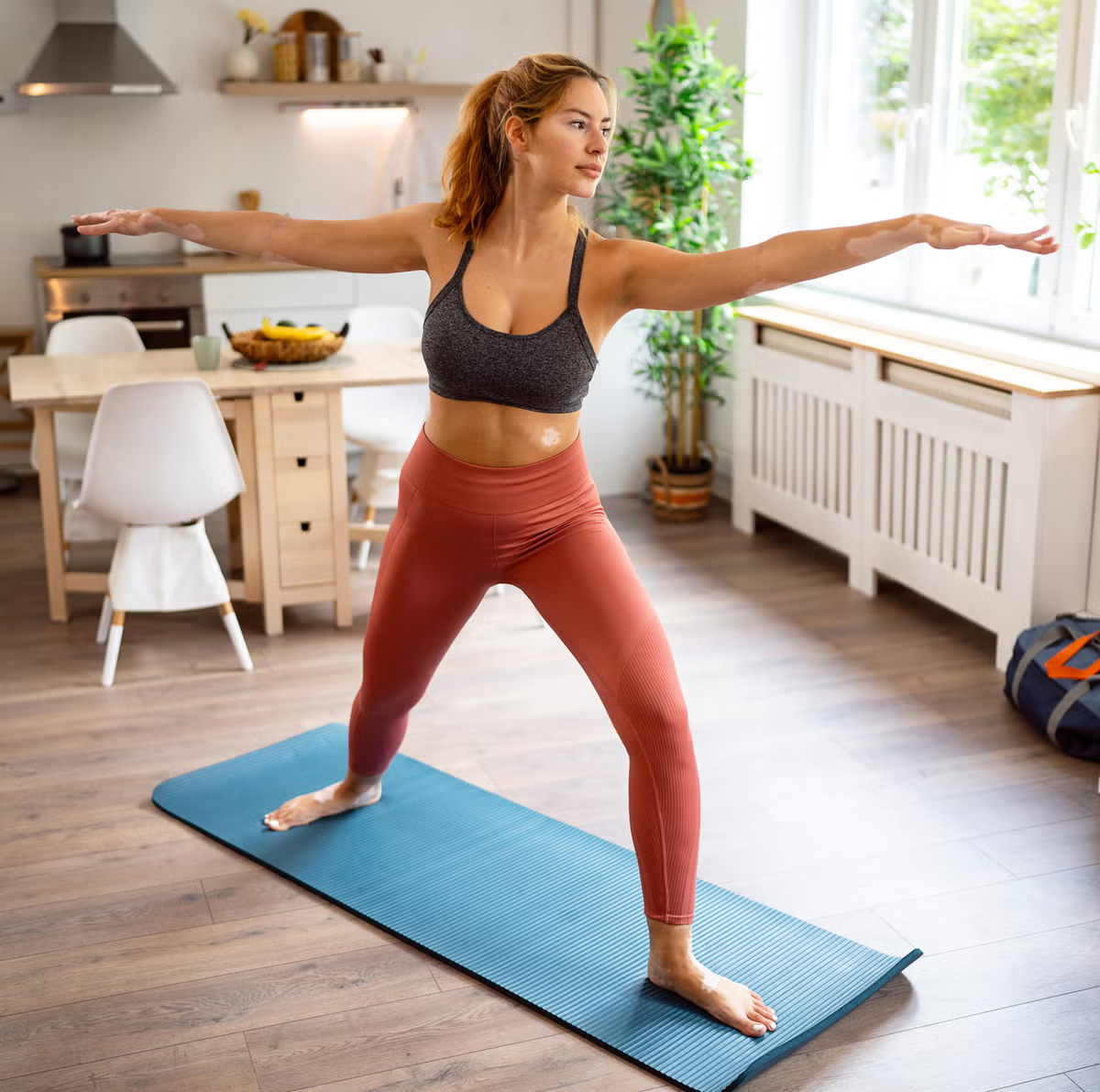
Are you looking for a way to improve your physical strength, find mental clarity, and boost your overall well-being? The answer might be simpler than you think. Embracing yoga for health is a journey that connects your mind and body, offering a wide range of benefits that can transform your life from the inside out. This ancient practice, combining physical postures, breathing exercises, and meditation, is more than just a workout; it’s a holistic approach to living a healthier, more balanced life.
Whether you’re a complete beginner or have some experience, this guide will walk you through everything you need to know about using yoga for health. We’ll explore its incredible benefits, from building muscle and improving flexibility to reducing stress and promoting better sleep. You’ll discover different styles of yoga to find the one that fits your needs and learn simple poses you can start with today.
Key Takeaways
- Holistic Benefits: Yoga for health improves both physical and mental well-being, addressing everything from muscle strength to stress levels.
- Accessibility: There are many styles of yoga, making it adaptable for all fitness levels, ages, and body types.
- Stress Reduction: A core component of yoga is its ability to calm the nervous system, lower cortisol levels, and promote mental peace.
- Physical Strength: Regular practice builds functional strength, improves posture, and enhances balance and flexibility.
- Mind-Body Connection: Yoga teaches you to be present and aware of your body’s signals, fostering a deeper connection with yourself.
What Exactly Is Yoga?
Before diving into its benefits, let’s understand what yoga is. The word “yoga” comes from the Sanskrit root “Yuj,” which means “to yoke” or “to unite.” The practice aims to unite the mind, body, and spirit. While many people in the United States associate yoga with physical postures (called asanas), this is just one aspect.
True yoga for health incorporates several key elements:
- Asanas (Postures): These are the physical poses designed to improve strength, flexibility, and balance.
- Pranayama (Breathing Techniques): Controlled breathing exercises help calm the nervous system, increase energy, and improve focus.
- Dhyana (Meditation): This practice involves focusing the mind to achieve a state of mental clarity and emotional calm.
By combining these elements, yoga becomes a powerful tool for self-care and personal growth. It’s not about being able to twist yourself into a pretzel; it’s about listening to your body and finding what feels good for you.
The Mental Health Benefits of Yoga
In our busy lives, managing stress is more important than ever. This is where the practice of yoga for health truly shines. The deliberate movements, combined with focused breathing, have a profound effect on the nervous system, helping to shift you from a state of “fight or flight” to “rest and digest.”
Reducing Stress and Anxiety
One of the most celebrated benefits of yoga is its ability to reduce stress and anxiety. When you’re stressed, your body produces high levels of cortisol, the primary stress hormone. Chronic high cortisol can lead to numerous health problems, including weight gain, high blood pressure, and sleep disturbances. Yoga has been shown to lower cortisol levels effectively.
The meditative aspect of yoga encourages you to stay present in the moment, letting go of worries about the past or future. This mindfulness can help break the cycle of anxious thoughts. Simple breathing techniques learned in a yoga class can be used anytime, anywhere, to bring a sense of calm during a stressful situation. Regular practice builds your resilience to stress over time, making it easier to handle life’s challenges.
Improving Mood and Emotional Regulation
Have you ever felt a sense of lightness or even joy after a good stretch? That’s your brain on yoga. Practicing yoga can increase the production of endorphins, which are natural mood elevators. It also boosts levels of gamma-aminobutyric acid (GABA), a neurotransmitter that helps calm nerve activity. Low GABA levels are often associated with anxiety and mood disorders.
By learning to observe your thoughts and feelings without judgment during meditation, you can develop better emotional regulation. This means you’re less likely to be overwhelmed by your emotions. The practice of yoga for health gives you the tools to navigate your inner world with greater ease and stability, leading to a more positive outlook on life.
The Physical Health Benefits of Yoga
While the mental benefits are significant, the physical advantages of a consistent yoga practice are just as impressive. From head to toe, yoga for health works to strengthen, stretch, and align your body, leading to improved overall function and reduced risk of injury.
Increased Flexibility and Mobility
“But I’m not flexible!” is one of the most common reasons people hesitate to try yoga. Here’s a secret: you don’t need to be flexible to start yoga; you do yoga to become more flexible. Tight muscles in the hips, hamstrings, and shoulders can lead to poor posture and chronic pain, especially in the lower back.
Yoga asanas gently and safely stretch these muscle groups. With consistent practice, you’ll notice a gradual increase in your range of motion. This isn’t just about touching your toes; it’s about making everyday movements easier, like bending down to tie your shoes or reaching for something on a high shelf. Improved flexibility helps prevent injuries, reduces muscle soreness, and contributes to a feeling of physical freedom.
Building Strength and Improving Posture
Yoga is a fantastic way to build functional strength using only your body weight. Poses like Downward-Facing Dog, Plank, and the Warrior series engage major muscle groups in your arms, legs, and core. Unlike weightlifting, which often isolates specific muscles, yoga works multiple muscles at once, promoting balanced strength throughout the body.
A strong core is essential for good posture, and almost every yoga pose helps to engage and strengthen it. As your core becomes stronger and your muscles more flexible, you’ll naturally start to stand and sit taller. Correcting poor posture can alleviate chronic back, neck, and shoulder pain and even improve your breathing and digestion. The journey of using yoga for health is also a journey toward a more confident and upright stance.
Supporting Heart and Circulatory Health
Your heart loves yoga, too. The dynamic movements in styles like Vinyasa get your heart rate up, providing a good cardiovascular workout. At the same time, the calming aspects of yoga can help lower blood pressure and reduce the resting heart rate. This combination is a winning formula for long-term heart health.
Improved circulation is another key benefit. The twisting, inverting, and stretching in yoga help move oxygenated blood more efficiently throughout the body. Better circulation means more oxygen and nutrients reach your cells, which can boost your energy levels and give your skin a healthy glow. Poses where your legs are elevated, like Legs-Up-the-Wall, are especially good for circulation and can help reduce swelling in the feet and ankles.
Different Styles of Yoga to Explore
The world of yoga is vast and varied. Finding the right style for you is key to building a practice you’ll love and stick with. Below is a comparison of some popular styles, helping you choose the best fit for your goals.
|
Yoga Style |
Pace & Intensity |
Primary Focus |
Best For |
|---|---|---|---|
|
Hatha |
Slow & Gentle |
Basic postures, alignment |
Beginners, stress relief |
|
Vinyasa |
Fast & Flowing |
Breath-synchronized movement |
Cardio, building heat, variety |
|
Ashtanga |
Rigorous & Structured |
Set sequence of poses |
Building discipline, advanced practitioners |
|
Iyengar |
Precise & Detailed |
Alignment, use of props |
Injury recovery, detail-oriented people |
|
Yin |
Slow & Meditative |
Deep stretching, holding poses |
Increasing flexibility, calming the mind |
|
Restorative |
Very Slow & Relaxing |
Deep relaxation, supported poses |
Stress reduction, healing, relaxation |
|
Bikram/Hot Yoga |
Intense & Sweaty |
Set sequence in a hot room |
Detoxification, deep stretching |
Getting Started: For the Absolute Beginner
If you’re new to the world of yoga for health, starting with a Hatha or a beginner-focused Vinyasa class is a great choice. These styles move at a slower pace, giving you time to learn the fundamental poses and focus on proper alignment. Don’t be afraid to use props like blocks and straps; they are tools to support your body and make poses more accessible. Many studios offer introductory workshops, which are a perfect way to learn the basics in a welcoming environment. For more lifestyle tips and wellness ideas, you can explore resources like those found at https://versaillesblog.com/.
For a More Vigorous Workout
If you’re looking to build heat and get a great cardiovascular workout, Vinyasa or Ashtanga yoga might be for you. Vinyasa is known for its creative and flowing sequences, where you move from one pose to the next in time with your breath. It often feels like a moving meditation. Ashtanga follows a specific, challenging sequence of poses, which builds internal heat and is physically demanding. Hot yoga, practiced in a heated room, is another option for those who love to sweat and want an intense physical experience.
Simple Yoga Poses to Try at Home
You don’t need to go to a studio to begin your journey with yoga for health. You can start right now with these five foundational poses. Hold each pose for 5-8 deep breaths.
1. Mountain Pose (Tadasana)
- How to do it: Stand with your feet together or hip-width apart. Ground down through your feet, engage your leg muscles, and lengthen your spine. Relax your shoulders down and back, and let your arms rest by your sides with palms facing forward.
- Benefits: Improves posture, strengthens thighs, and firms the core. It is the foundation for all standing poses.
2. Cat-Cow Stretch (Marjaryasana-Bitilasana)
- How to do it: Start on your hands and knees in a tabletop position. As you inhale (Cow), drop your belly, lift your chest and tailbone, and look forward. As you exhale (Cat), round your spine toward the ceiling, tuck your chin to your chest, and press the mat away.
- Benefits: Warms up the spine, improves flexibility, and gently massages internal organs.
3. Downward-Facing Dog (Adho Mukha Svanasana)
- How to do it: From your hands and knees, tuck your toes and lift your hips up and back, forming an inverted “V” shape. Press firmly into your hands, keep your head between your upper arms, and try to straighten your legs, sending your heels toward the floor (it’s okay if they don’t touch).
- Benefits: Stretches the entire back of the body, strengthens arms and legs, and calms the mind.
4. Warrior II (Virabhadrasana II)
- How to do it: Step your feet wide apart. Turn your right foot out 90 degrees and your left foot in slightly. Bend your right knee so it’s directly over your ankle. Extend your arms parallel to the floor, gazing over your right fingertips.
- Benefits: Strengthens legs and ankles, opens hips and chest, and builds stamina.
5. Child’s Pose (Balasana)
- How to do it: Kneel on the floor, sit back on your heels, and fold forward, resting your forehead on the mat. Your arms can be stretched out in front of you or resting alongside your body.
- Benefits: A gentle resting pose that stretches the hips and back, relieves stress, and calms the nervous system.
Creating a Consistent Yoga Practice
The key to unlocking the full spectrum of benefits from yoga for health is consistency. A 15-minute practice done three times a week is more effective than a 90-minute class done once a month. Start small and build from there. Find a time of day that works for you, whether it’s a few sun salutations in the morning to wake up or a calming Yin session before bed to unwind.
Listen to your body. Some days you might feel energetic and ready for a powerful flow, while other days may call for a gentle, restorative practice. The goal is not to push through pain but to honor where your body is at each day. Creating a comfortable space in your home, even just a small corner with a mat, can make it easier to show up for yourself regularly.
Conclusion
The practice of yoga for health offers a comprehensive path to a better life. It is a powerful discipline that strengthens your body, calms your mind, and nurtures your spirit. By integrating physical postures, controlled breathing, and mindfulness, you can reduce stress, increase flexibility and strength, improve your posture, and boost your overall well-being.
Remember that yoga is a personal journey, not a competition. It’s about progress, not perfection. Whether you join a local studio, follow an online class, or simply practice a few poses in your living room, you are taking a meaningful step toward a healthier and more balanced you. Start where you are, use what you have, and discover the transformative power of connecting with yourself on the mat.
Frequently Asked Questions (FAQ)
Q1: How often should I do yoga to see health benefits?
For noticeable results, aim for at least two to three sessions per week. Even 15-20 minutes of consistent practice can make a significant difference in your physical and mental health. The most important thing is consistency over intensity.
Q2: Do I need to be flexible to start yoga?
Not at all! This is a common myth. Yoga is for every body. Flexibility is a result of practicing yoga, not a prerequisite for it. A good instructor will offer modifications, and props like blocks and straps can help you access poses safely.
Q3: Can yoga help with weight loss?
Yes, yoga for health can be an effective part of a weight loss plan. More active styles like Vinyasa and Ashtanga burn a significant number of calories. Yoga also helps reduce stress, which can lead to less emotional eating, and it builds muscle mass, which boosts your metabolism.
Q4: What is the difference between yoga and stretching?
While yoga involves stretching, it is much more than that. Yoga incorporates breathwork (pranayama) and meditation, creating a mind-body connection. The poses are often held or flowed through in sequences designed to build strength, improve balance, and increase mindfulness, whereas stretching typically focuses solely on lengthening muscles.
Q5: Can I do yoga if I have an injury or health condition?
In many cases, yes, but it’s crucial to consult with your doctor first. Certain yoga styles, like Iyengar or Restorative yoga, are particularly beneficial for accommodating injuries. Always inform your yoga instructor about any health concerns before class so they can provide appropriate modifications.














Post Comment