Your Ultimate Guide to Being the Wedding People
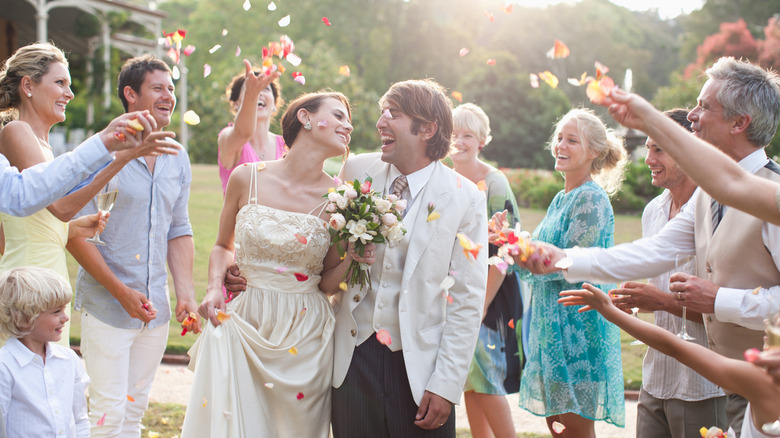
Planning a wedding is an exciting journey, and it officially makes you the wedding people. This title isn’t just for the happy couple; it extends to everyone involved in bringing a dream day to life. From your closest family members to the team of professional vendors, this guide will walk you through every step of the process. We’ll cover everything from setting a budget and choosing a venue to managing contracts and ensuring your guests have an amazing time. Think of this as your friendly roadmap to creating a celebration that is uniquely you.
This journey is filled with decisions, big and small. You’ll be coordinating with dozens of individuals, all working toward a single, beautiful goal. Understanding who all the wedding people are and what role they play is the first step toward a smooth and enjoyable planning experience. Let’s dive in and demystify the process, turning what can feel overwhelming into a series of manageable, even joyful, tasks.
Who Exactly Are “The Wedding People”?
When we talk about the wedding people, we’re referring to a whole cast of characters. At the center, of course, is the couple. But the circle quickly expands to include parents, siblings, the wedding party, and all the guests who will share in your joy. Beyond your personal circle, there’s a dedicated army of professionals: planners, photographers, florists, caterers, and entertainers. Each person plays a vital part. The couple makes the final decisions, but parents might offer financial support or guidance. The wedding party provides emotional support and helps with tasks, while vendors bring their expertise to execute your vision. Recognizing that you are leading this team helps you delegate, communicate, and stay organized. Successfully managing all these moving parts is the secret to a stress-free celebration where everyone, especially you, can enjoy the moment.
Crafting a Realistic Wedding Budget
Before you can book a venue or taste a single slice of cake, you need a budget. This is the foundation of your entire wedding plan. Sit down with your partner and any contributing family members to have an open conversation about finances. Determine a total amount you are all comfortable spending. Once you have that top-line number, you can start allocating funds to different categories. A common approach is the 70/20/10 split: 70% for essentials like the venue, food, and beverage; 20% for priorities like photography, entertainment, and attire; and 10% for extras like favors, stationery, and a buffer for unexpected costs. This framework helps you prioritize what matters most to you as the wedding people. Remember to track every expense in a spreadsheet to stay on course. It’s not the most glamorous task, but a solid budget prevents financial stress down the road.
Breaking Down Your Expenses
To make your budget more manageable, break it down into smaller categories. This detailed view helps you see where your money is going and where you might be able to save.
- Venue, Catering, & Rentals: Often the largest portion, covering the space, food, drinks, tables, chairs, and linens.
- Photography & Videography: Capturing the memories of your day.
- Attire & Beauty: The dress, suit, hair, and makeup.
- Entertainment: The DJ or band that will keep your guests dancing.
- Flowers & Decor: Bouquets, centerpieces, and other aesthetic touches.
- Stationery: Save-the-dates, invitations, and thank-you cards.
- Wedding Planner/Coordinator: The expert who helps bring it all together.
Building Your 12-Month Wedding Planning Timeline
A timeline is your best friend during the planning process. It breaks down a massive project into a series of monthly to-do lists, ensuring nothing falls through the cracks. For most couples, a 12-month timeline works perfectly, allowing enough time to book preferred vendors without feeling rushed. Start by setting your date and booking your venue, as this will lock in the foundation of your plan. From there, you can layer in other key decisions, from hiring a photographer to mailing your invitations. Having a structured timeline keeps you organized and reduces stress, allowing you to enjoy being the wedding people. You can find more detailed checklists and planning resources at sites like https://versaillesblog.com/ to help you stay on track. Below is a sample timeline to get you started.
Sample 12-Month Wedding Timeline
|
Timeline |
Key Tasks |
|---|---|
|
12+ Months Out |
Set a budget. Draft a guest list. Hire a wedding planner (if using one). Book your venue and set the date. |
|
10-11 Months Out |
Research and book high-priority vendors: photographer, videographer, caterer, DJ/band. |
|
8-9 Months Out |
Shop for and order your wedding attire. Book the officiant. Launch your wedding website. |
|
6-7 Months Out |
Send save-the-dates. Reserve hotel blocks for guests. Choose wedding party attire. |
|
4-5 Months Out |
Book rehearsal dinner venue. Order wedding cake. Hire transportation. |
|
3 Months Out |
Finalize the menu. Order invitations. Purchase wedding rings. |
|
2 Months Out |
Mail invitations. Apply for your marriage license. Have your first dress/suit fitting. |
|
1 Month Out |
Finalize ceremony details. Confirm vendor details. Create a seating chart. |
|
Week Of |
Pack for the honeymoon. Give final headcount to caterer. Put together a “day-of” emergency kit. |
|
Day Of |
Relax and enjoy! You’ve done the work, now it’s time to celebrate. |
Selecting the Perfect Venue
Your venue sets the tone for your entire wedding day. Are you dreaming of a rustic barn, a chic city loft, or a classic ballroom? The location you choose will influence your decor, your guest count, and even your menu. When evaluating venues, think beyond aesthetics. Consider practicalities like capacity, accessibility for guests with disabilities, and whether they have an in-house caterer or allow outside vendors. Ask about what’s included in the rental fee—tables, chairs, linens, and staffing can add up if they aren’t part of the package. It’s also crucial to understand their policies on things like alcohol, noise ordinances, and cleanup. Visiting your top choices in person is a must. This will give you a real feel for the space and allow you to ask detailed questions. This decision is one of the biggest you’ll make as the wedding people, so take your time and choose a place that truly feels right.
Choosing Your Vendors: The Dream Team
Your vendors are the professionals who will execute your vision. This team often includes a photographer, florist, caterer, DJ or band, and an officiant. Choosing the right people is about more than just their portfolio; it’s about connection. You’ll be spending a lot of time with these individuals, especially your planner and photographer, so it’s important that you genuinely like them and trust their expertise. Start by reading online reviews, asking for recommendations from friends, and browsing their work on social media. Once you’ve narrowed down your list, schedule consultations. Use this time to discuss your vision, ask about their process, and see if your personalities mesh. A great vendor team will feel like a supportive extension of your own circle, making the planning process smoother and the wedding day itself more enjoyable for the wedding people.
Vendor Selection at a Glance
|
Vendor Category |
Key Selection Criteria |
|---|---|
|
Photographer |
Style (e.g., photojournalistic, traditional), portfolio quality, personality fit, package inclusions. |
|
Caterer |
Menu options, tasting experience, service style (e.g., plated, buffet), flexibility with dietary needs. |
|
Florist |
Design aesthetic, knowledge of seasonal flowers, ability to work within your budget, creativity. |
|
DJ/Band |
Genre specialty, ability to act as an emcee, “do-not-play” list compliance, energy and stage presence. |
|
Planner |
Experience level, service package (full planning vs. day-of), communication style, vendor relationships. |
The Importance of Vendor Contracts
A contract is your safety net. It’s a legally binding document that outlines exactly what services a vendor will provide, when they will provide them, and for what cost. Never, ever work with a vendor without a signed contract. A thorough contract protects both you and the vendor from misunderstandings. Key clauses to look for include: the exact date, time, and location of the event; a detailed list of services and/or goods to be provided; a clear payment schedule; and cancellation and postponement policies. Pay special attention to the force majeure clause, which covers unforeseen circumstances like natural disasters. Reading the fine print might feel tedious, but it is one of the most important responsibilities of the wedding people. If you are unsure about any part of a contract, don’t hesitate to ask for clarification or have a legal expert review it.
Curating the Guest Experience
A great wedding is about more than just a beautiful setting; it’s about making your guests feel welcomed, comfortable, and celebrated. Think about the day from their perspective. Start with clear communication through your wedding website, providing details on travel, accommodations, and the schedule of events. On the day itself, small touches can make a big difference. Consider providing a welcome bag for out-of-town guests, offering a shuttle service from the hotel to the venue, or having a well-stocked “comfort station” in the restrooms with items like mints, hairspray, and band-aids. A thoughtful timeline that minimizes long waits between the ceremony and reception also contributes to a positive experience. When your guests feel cared for, they are more likely to relax, mingle, and fully join in the celebration you’ve worked so hard to create. The wedding people who prioritize their guests often find their day is more joyful for everyone involved.
Incorporating Cultural and Personal Traditions
Your wedding is a reflection of your story as a couple. This is the perfect opportunity to honor your heritage, family traditions, and unique personality. Whether it’s incorporating a traditional tea ceremony, jumping the broom, or breaking a glass, these rituals add depth and meaning to your celebration. Don’t be afraid to put a modern spin on old traditions or create new ones that are entirely your own. Maybe you share a love for a particular type of music, a favorite food, or a quirky hobby. Find ways to weave these personal elements into your day. This could be as simple as naming tables after your favorite travel destinations or as elaborate as a choreographed first dance to a meaningful song. These personal touches are what make a wedding memorable and special, transforming it from a generic event into a true celebration of who you are as the wedding people.
Modern Wedding Trends to Consider
While traditions are wonderful, many couples today are also embracing modern trends to personalize their day. One of the biggest shifts is toward smaller, more intimate “micro-weddings” that focus on a high-quality experience for a select group of guests. Sustainability has also become a major focus, with couples opting for locally sourced flowers, digital invitations, and charitable favors. Another popular trend is creating an interactive experience for guests. This might include a live painter capturing the reception, a DIY cocktail bar, or lawn games during cocktail hour. Technology is also playing a bigger role, with the use of wedding hashtags to collect photos and even live-streaming the ceremony for guests who can’t attend. As the wedding people, you can pick and choose the trends that resonate with you to create a day that feels both timeless and current.
Capturing the Day: Photography and Videography
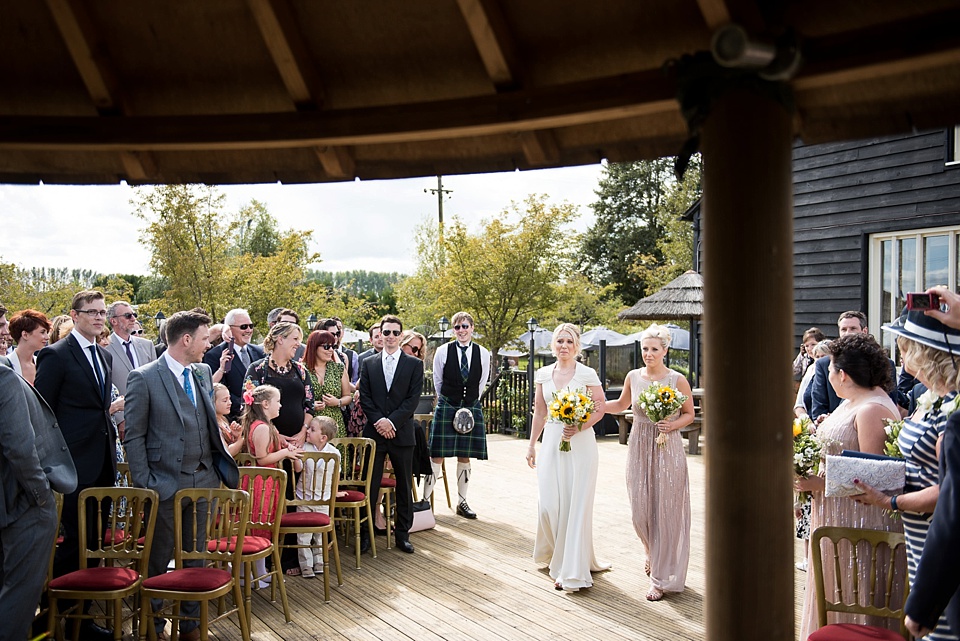
After the cake is eaten and the music fades, your photos and videos will be the most tangible memories of your wedding day. That’s why choosing the right photographer and videographer is so important. When vetting potential candidates, look for a style that matches your own. Do you prefer light and airy images, or dark and moody ones? Do you want a cinematic wedding film or a more documentary-style video? Beyond their artistic style, consider their personality. Your photographer will be by your side for most of the day, so you want someone who makes you feel comfortable and at ease in front of the camera. Be sure to discuss a “shot list” of must-have photos, but also trust your chosen professionals to capture the candid, unscripted moments that often become the most cherished memories. This is an investment that the wedding people rarely regret.
Delighting Guests with Food and Beverage
The food and drinks you serve are a huge part of the guest experience. Gone are the days of being limited to a standard chicken or fish option. Today’s couples are getting creative with their menus, offering everything from food truck rallies to interactive food stations. When planning your menu, consider your guest list and any dietary restrictions. It’s always a good idea to offer a vegetarian or vegan option. A tasting with your caterer is essential to ensure the quality of the food. Don’t forget about the drinks! You can offer a full open bar, or limit it to beer, wine, and a few signature cocktails that reflect your personalities. Late-night snacks, like sliders or tacos, are also a popular way to re-energize guests after a few hours of dancing. Thoughtful food and beverage choices show your guests you care, reinforcing the celebratory and hospitable spirit of the wedding people.
Setting the Mood with Decor and Florals
Your decor and floral arrangements are what bring your wedding vision to life, transforming a blank space into a personalized environment. Your color palette is the starting point, influencing everything from the bridesmaid dresses to the linens. Work with a florist who understands your aesthetic and can suggest seasonal, budget-friendly blooms. Centerpieces, bouquets, and boutonnieres are standard, but don’t be afraid to think outside the box. A stunning floral arch can create a dramatic focal point for your ceremony, while creative lighting can completely change the mood of your reception space. Remember that decor is about more than just flowers. Elements like signage, table numbers, and even the texture of your napkins contribute to the overall look and feel. As the wedding people, your choices in this area will set the entire ambiance for your special day.
Quick Decor Tips
- Repurpose: Use ceremony flowers as decor at the reception to save money.
- Lighting is Key: Uplighting and string lights can create a warm, romantic atmosphere.
- Focus on High-Impact Areas: Invest in decor for key spots like the entrance, head table, and dance floor.
Saying “Yes” to Attire and Beauty
Finding your wedding attire is one of the most exciting parts of the planning process. For many, it’s the moment they truly start to feel like a bride or groom. Start shopping about 8-10 months before the wedding, as it can take a while for dresses and suits to be ordered and tailored. Keep an open mind and try on different styles; you might be surprised by what you fall in love with. When it comes to beauty, schedule hair and makeup trials a few months before the wedding. This gives you a chance to perfect your look and ensure it holds up for hours. Bring inspiration photos to your trial and wear a top with a similar neckline to your wedding attire. On the big day, the goal is to look like an elevated version of yourself—confident, beautiful, and ready to get married. For the wedding people, feeling good in what you’re wearing is a huge part of enjoying the day.
Day-Of Coordination: The Final Piece
Even with the most meticulous planning, the wedding day itself can be hectic. This is where a day-of coordinator becomes invaluable. This person is responsible for executing your plan so you don’t have to. They manage the timeline, oversee vendor setup, handle any last-minute emergencies, and ensure everything runs smoothly from start to finish. A coordinator is the point person for all vendor questions, freeing you and your family to simply be present and enjoy the celebration. Many wedding planners offer this as a standalone service, taking over about a month before the wedding to finalize details. Hiring a coordinator is one of the best gifts you can give yourselves. It allows you, the wedding people, to be guests at your own wedding.
After the “I Do’s”: Post-Wedding Tasks
The celebration isn’t quite over when the last song plays. There are a few important tasks to take care of after the wedding. First and foremost, send out your thank-you cards. Aim to have them in the mail within three months of the wedding. Make sure to thank your vendors as well, especially if they went above and beyond. Leaving them a positive online review is a wonderful way to show your appreciation. You’ll also need to follow up on your marriage license to ensure it’s legally processed. Finally, if you’re changing your name, there’s a legal process for that, involving updates to your Social Security card, driver’s license, and bank accounts. Taking care of these loose ends will officially wrap up your journey as wedding planners and launch you into your new life as a married couple.
Key Takeaways
- “The wedding people” includes everyone from the couple and their families to the vendors who bring the day to life.
- A realistic budget and a detailed timeline are the two most critical tools for a stress-free planning process.
- Choose vendors you connect with personally and always get a detailed contract in writing.
- Prioritize the guest experience by communicating clearly and adding thoughtful touches throughout the day.
- Don’t forget to incorporate personal details and traditions that make the celebration uniquely yours.
- Hiring a day-of coordinator allows you to relax and be fully present at your own wedding.
Frequently Asked Questions (FAQ)
1. What is the first thing we should do when planning a wedding?
The very first steps are to discuss your vision as a couple and set a realistic budget. Knowing your spending limit and general aesthetic will guide every other decision you make, from the guest list size to the venue you choose.
2. How far in advance should we book our venue and vendors?
For popular venues and in-demand vendors like photographers, it’s best to book 12-18 months in advance, especially if you’re getting married on a Saturday during peak season. For other vendors, 8-10 months out is generally a safe timeframe.
3. Do we really need a wedding planner?
While not a necessity, a planner can be a huge asset. A full-service planner can save you time, stress, and even money through their vendor connections. If that’s not in the budget, consider a day-of coordinator to manage the logistics on the wedding day itself so you can relax.
4. How can we make our wedding feel personal?
Incorporate elements of your story as a couple. This could be through your music choices, a signature cocktail named after a pet, table numbers that represent important dates, or by including cultural traditions that honor your heritage. It’s these details that make a wedding memorable.
5. What is the biggest mistake couples make when planning a wedding?
One of the most common mistakes is not creating and sticking to a budget. This can lead to financial stress and difficult decisions down the line. Another is trying to do everything themselves and not asking for help from their support system or professional vendors. Remember that it’s okay for the wedding people to delegate tasks.
6. How do we handle guest list disagreements with our families?
This is a very common issue. The best approach is to have an honest conversation early on. If parents are contributing financially, they often expect some say in the guest list. A good compromise is to allocate a certain number of invitations to each family, while the couple retains control over the majority of the list.
7. What should we look for in a vendor contract?
Look for specifics: exact dates, times, locations, a detailed list of all services and goods included, the total cost and payment schedule, and the cancellation/postponement policy. Make sure everything you discussed verbally is included in the written agreement.
Conclusion
Your journey as the wedding people is a unique and personal one. It’s a time filled with big dreams, important choices, and a lot of love. By breaking the process down into manageable steps, creating a solid plan, and building a team of supportive people around you, you can navigate it with confidence and joy. Remember to communicate openly, prioritize what truly matters to you as a couple, and never lose sight of the real reason for the celebration: your love and commitment to each other. Now go on and plan a day that is as wonderful and unique as your story. Congratulations














Post Comment